LIFESTYLE
Heart Attack After a Stent? Experts Explain Why the Risk Still Exists and How to Stay Safe
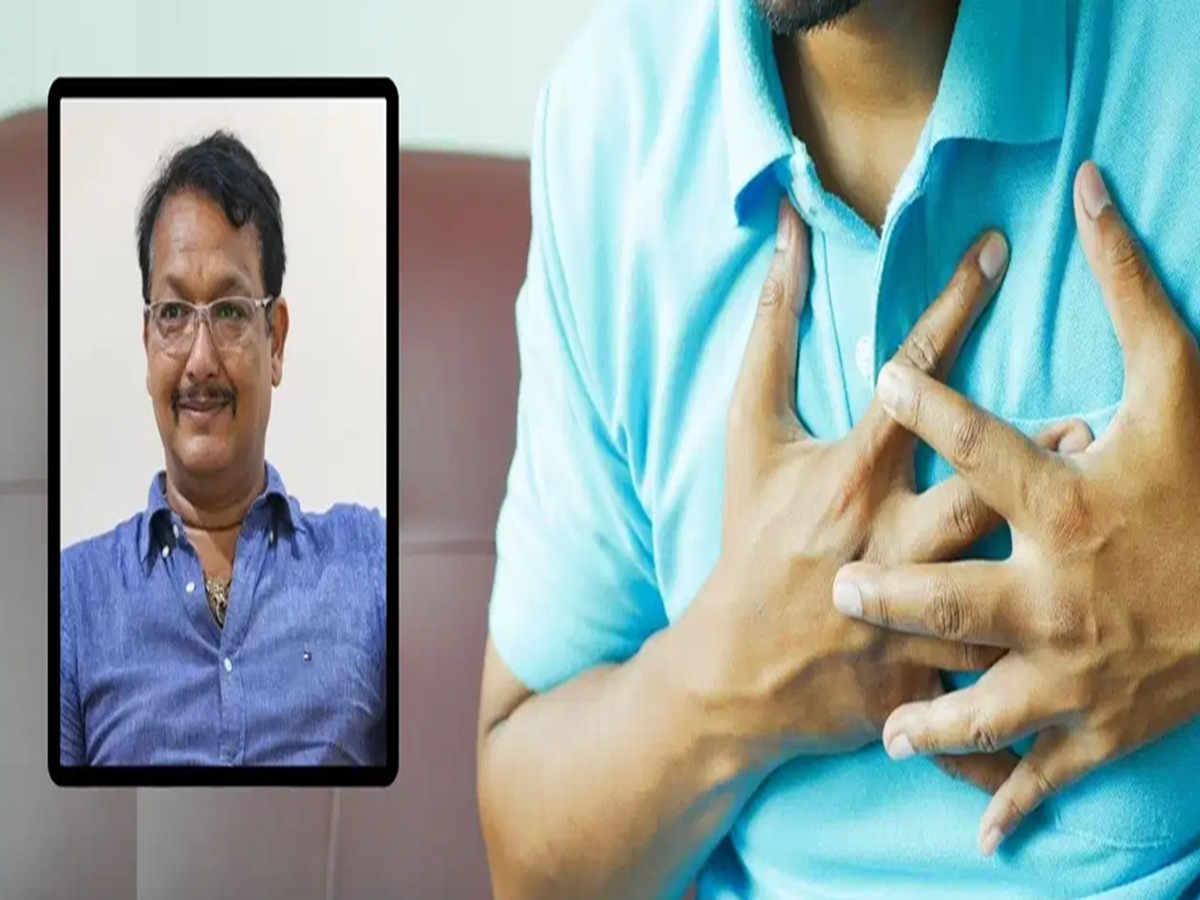
The sudden death of renowned shooter Jaspal Rana due to a heart attack has once again raised concerns about heart health. Many people believe that once a stent is placed after a heart attack or angioplasty, the risk of future cardiac problems disappears. However, cardiologists warn that this is a dangerous misconception.
According to heart specialists, a stent can restore blood flow and significantly reduce the risk of complications, but lifestyle mistakes and negligence can still lead to another heart attack in certain cases.
How Does a Heart Attack Occur?
The heart relies on coronary arteries to supply oxygen-rich blood. Over time, cholesterol and fatty deposits can build up inside these arteries, narrowing them and restricting blood flow.
When a plaque suddenly ruptures and forms a blood clot, blood flow may stop almost completely, triggering a heart attack. In such situations, doctors often perform angioplasty and insert a stent to reopen the blocked artery.
Can a Heart Attack Happen Even After a Stent?
The answer is yes, although it is relatively uncommon.
Experts explain that most patients recover well after stent placement. However, in rare cases, a blood clot can develop inside the stent itself, a condition known as stent thrombosis. If not treated immediately, it can cause another heart attack and become life-threatening.
The first few weeks after the procedure are considered especially critical.
Common Mistakes That Increase Risk
Skipping Medicines
One of the biggest mistakes patients make is not taking prescribed medications regularly. Blood-thinning medicines are often prescribed after stent placement to prevent clot formation. Missing doses can significantly increase the risk of complications.
Overexertion and Heavy Exercise
After a heart attack, the heart may take time to regain strength. Jumping into intense workouts without medical guidance can put extra strain on the heart.
Experts recommend gradually increasing physical activity and following a doctor-approved exercise plan.
Unhealthy Eating Habits
Consuming excessive amounts of fried foods, processed snacks, sugary drinks, and high-fat meals can accelerate artery blockage.
A heart-friendly diet should include:
-
Fresh fruits and vegetables
-
Whole grains
-
Lean protein sources
-
Limited salt and unhealthy fats
Smoking and Alcohol Consumption
Smoking damages blood vessels and increases clotting risk, while excessive alcohol can contribute to high blood pressure and heart disease. Avoiding these habits is essential for long-term heart health.
Poor Sleep and High Stress
Chronic stress and inadequate sleep can negatively affect blood pressure, heart rhythm, and overall cardiovascular health.
Doctors recommend:
-
Getting 7–8 hours of sleep daily
-
Practicing relaxation techniques
-
Managing stress through meditation, yoga, or other healthy activities
Ignoring Follow-Up Checkups
Regular monitoring of blood pressure, cholesterol, and blood sugar levels is important, especially for people with diabetes or hypertension.
Routine medical checkups help detect potential problems before they become serious.
Life After a Stent: What Patients Should Remember
A stent is not a permanent cure for heart disease. It is a treatment that improves blood flow, but long-term heart health depends largely on lifestyle choices, medication adherence, and regular medical supervision.
By following medical advice, maintaining a healthy diet, staying physically active within limits, and avoiding harmful habits, patients can significantly reduce the risk of another heart attack and lead a healthier life.