Concerns about H1N1 influenza, commonly known as swine flu, are increasing as flu cases are being reported in different parts of the country. Amid concerns over rising cases in Delhi, Union Health Minister JP Nadda reviewed the situation with health officials and discussed testing, treatment facilities and hospital preparedness.
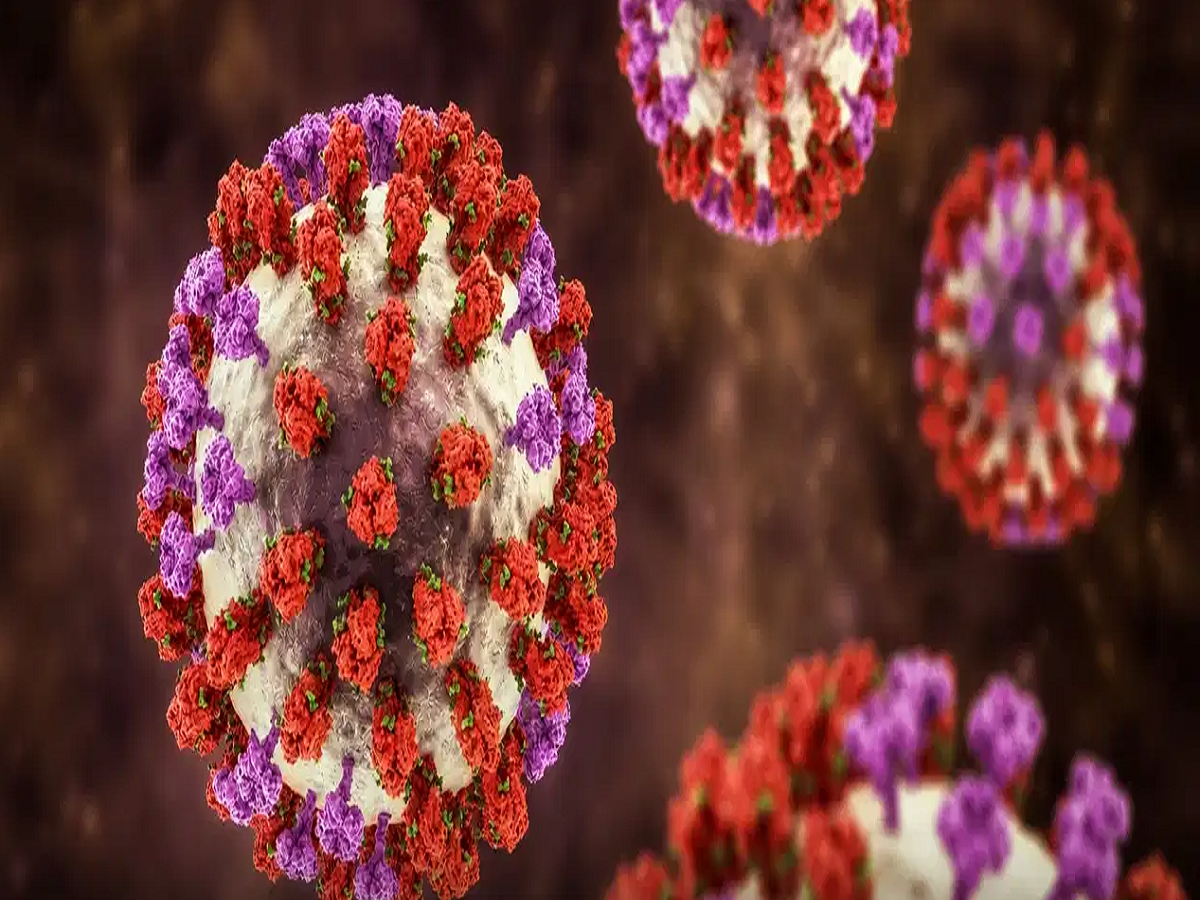
H1N1 is a type of influenza A virus that primarily affects the respiratory system. While many people recover with mild symptoms, the infection can sometimes become serious, particularly in people who are more vulnerable to complications.
Knowing how the infection spreads, recognising its symptoms and following basic precautions can help reduce the risk.
How Does Swine Flu Spread?
H1N1 spreads mainly through respiratory droplets released when an infected person coughs, sneezes, talks or breathes. People nearby can become infected if they inhale these droplets.
The virus can also spread when someone touches a contaminated surface and then touches their eyes, nose or mouth.
An infected person may be able to spread the virus even before noticeable symptoms appear. Children and people with weakened immune systems may remain infectious for longer.
One common misconception is that swine flu is transmitted by eating pork. H1N1 influenza is a respiratory infection and is not spread simply by consuming properly handled and cooked pork.
What Are the Common Symptoms?
Swine flu can produce symptoms similar to other forms of seasonal influenza. Common signs include:
-
Fever
-
Cough
-
Sore throat
-
Runny or blocked nose
-
Headache
-
Body aches
-
Tiredness or weakness
Symptoms can range from mild to severe, and not everyone infected with H1N1 will experience the same symptoms.
Simple Ways to Reduce the Risk
Following basic hygiene practices can lower the chances of catching or spreading respiratory infections.
Wash your hands regularly with soap and water for at least 20 seconds, particularly after coughing, sneezing or touching frequently used surfaces.
Cover your mouth and nose with a tissue or your elbow when coughing or sneezing. Avoid touching your eyes, nose and mouth with unwashed hands.
Frequently touched surfaces at home and work should also be cleaned regularly. If someone has flu-like symptoms, maintaining some distance can help reduce transmission.
If you develop flu-like symptoms, staying home and limiting close contact with others can help prevent the infection from spreading.
Vaccination can also provide protection against influenza, including H1N1 strains covered by the seasonal flu vaccine. Speak with a healthcare professional to determine whether vaccination is appropriate for you.
When Should You Seek Medical Help?
Most flu infections do not become severe, but certain symptoms require prompt medical attention.
Seek medical care if you experience difficulty breathing, chest pain, persistent dizziness, severe weakness, dehydration or intense muscle pain.
People with existing conditions such as asthma, diabetes or heart disease should be particularly careful if they develop flu-like symptoms.
Pregnant women who develop symptoms should contact their healthcare provider for appropriate advice.
Children need special attention. Difficulty breathing, bluish or unusually pale skin, signs of dehydration or severe pain should be treated as warning signs requiring immediate medical evaluation.
Don't Ignore Persistent Flu-Like Symptoms
H1N1 can initially look like an ordinary seasonal flu, making it difficult to distinguish based on symptoms alone. If symptoms become severe, persist or occur in someone at higher risk of complications, medical advice should be sought promptly.
Maintaining good hand hygiene, avoiding close contact when sick and following appropriate vaccination and medical advice remain important ways to protect yourself and others during periods of increased influenza activity.