BUSINESS
Government’s New Solar Push: What the PM Surya Sarovar Yojana Could Mean for Electricity and Clean Energy
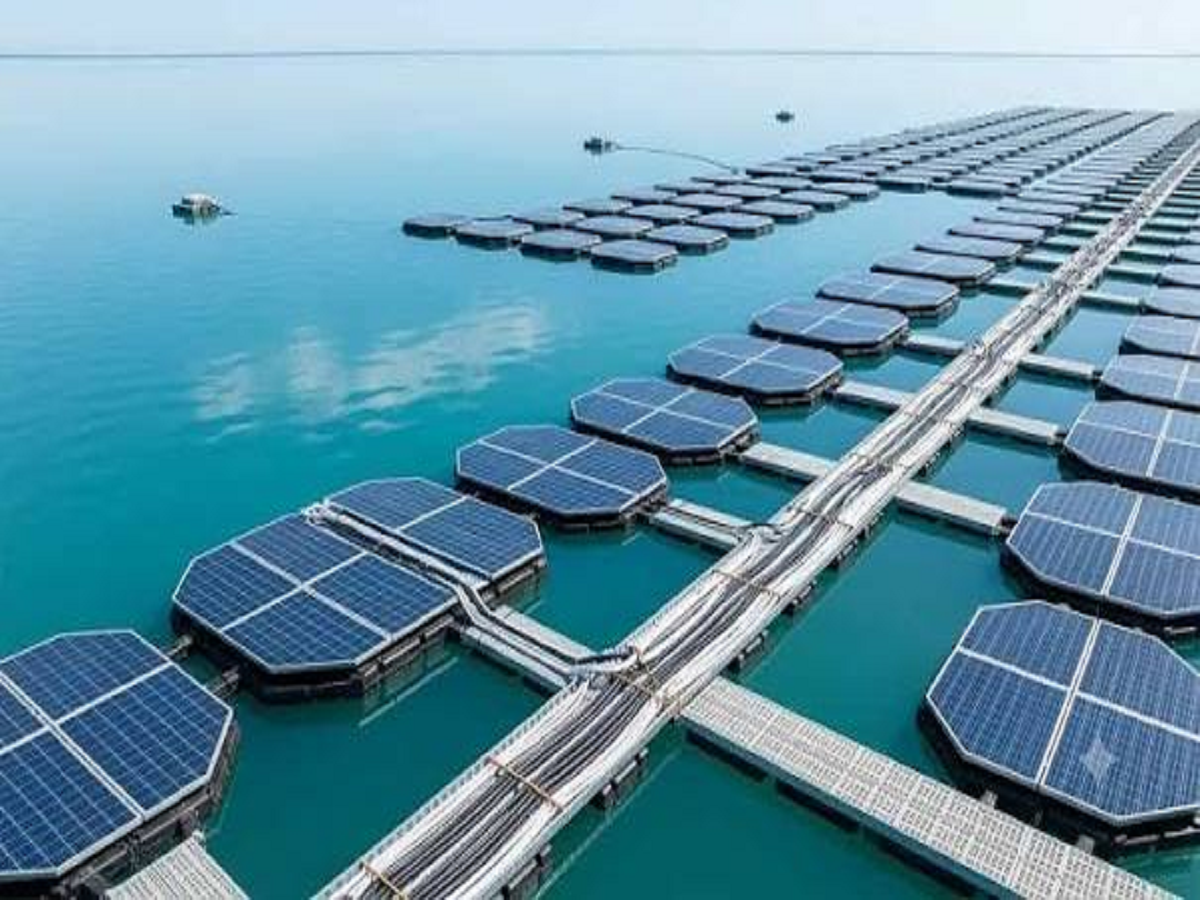
India is taking another major step toward expanding renewable energy, with the government approving a new scheme focused on generating solar power from water bodies. The Pradhan Mantri Surya Sarovar Yojana (PM-SSY) was approved on July 31, 2026, and aims to support 5,000 MW of floating solar photovoltaic projects.
The initiative is particularly significant because it combines solar power generation with energy storage and makes use of reservoirs and industrial ponds instead of requiring large areas of additional land.
What Is the PM Surya Sarovar Yojana?
Under the scheme, floating solar power projects will be developed on suitable reservoirs and industrial ponds.
The government aims to support a total capacity of 5,000 MW through floating solar photovoltaic projects. These projects will also be paired with energy storage systems.
According to the government, the scheme includes storage capacity equivalent to at least two hours of the supported solar capacity, with a targeted 10,000 MWh of energy storage.
Why Is Solar Power Being Generated on Water?
Traditional solar farms require significant amounts of land. Floating solar projects provide an alternative by installing solar panels on suitable water bodies.
This can be particularly useful in areas where land availability is limited or expensive. Using existing reservoirs and industrial ponds can allow renewable-energy capacity to expand without putting the same pressure on land resources.
What Does Energy Storage Do?
Solar panels generate electricity when sunlight is available, but electricity demand does not always match solar-generation hours.
Energy storage can help address this problem by storing electricity and making it available when required.
The government's plan to combine floating solar projects with storage is therefore intended to make renewable electricity more useful during periods of higher demand and support better management of the power grid.
Could This Help Reduce Pressure on the Power Grid?
India's electricity demand is increasing, while the country is also adding more renewable energy capacity.
Solar generation can vary depending on sunlight and weather conditions. Adding storage alongside solar projects can provide greater flexibility in managing this variability.
The new scheme is therefore not simply about installing more solar panels. It also focuses on creating a system in which renewable electricity can be stored and used more effectively.
What Does This Mean for Ordinary Consumers?
The scheme does not mean that households will immediately receive free electricity or a direct subsidy under PM-SSY.
Instead, it is a large-scale infrastructure initiative designed to increase India's renewable-energy capacity.
Over time, greater renewable generation and improved energy storage could contribute to a more diversified electricity supply and help support India's broader clean-energy transition.
Why the Scheme Is Important
The PM Surya Sarovar Yojana combines three important objectives: expanding solar power, reducing pressure on land resources and increasing energy-storage capacity.
By using water bodies for floating solar projects, the government is exploring another way to expand renewable generation while making better use of existing infrastructure.
For consumers, the impact will be seen gradually as these projects are developed and connected to the wider electricity system.