BUSINESS
Government Schemes 2026: These Government Initiatives Can Help Small Businesses, Street Vendors and Artisans Grow
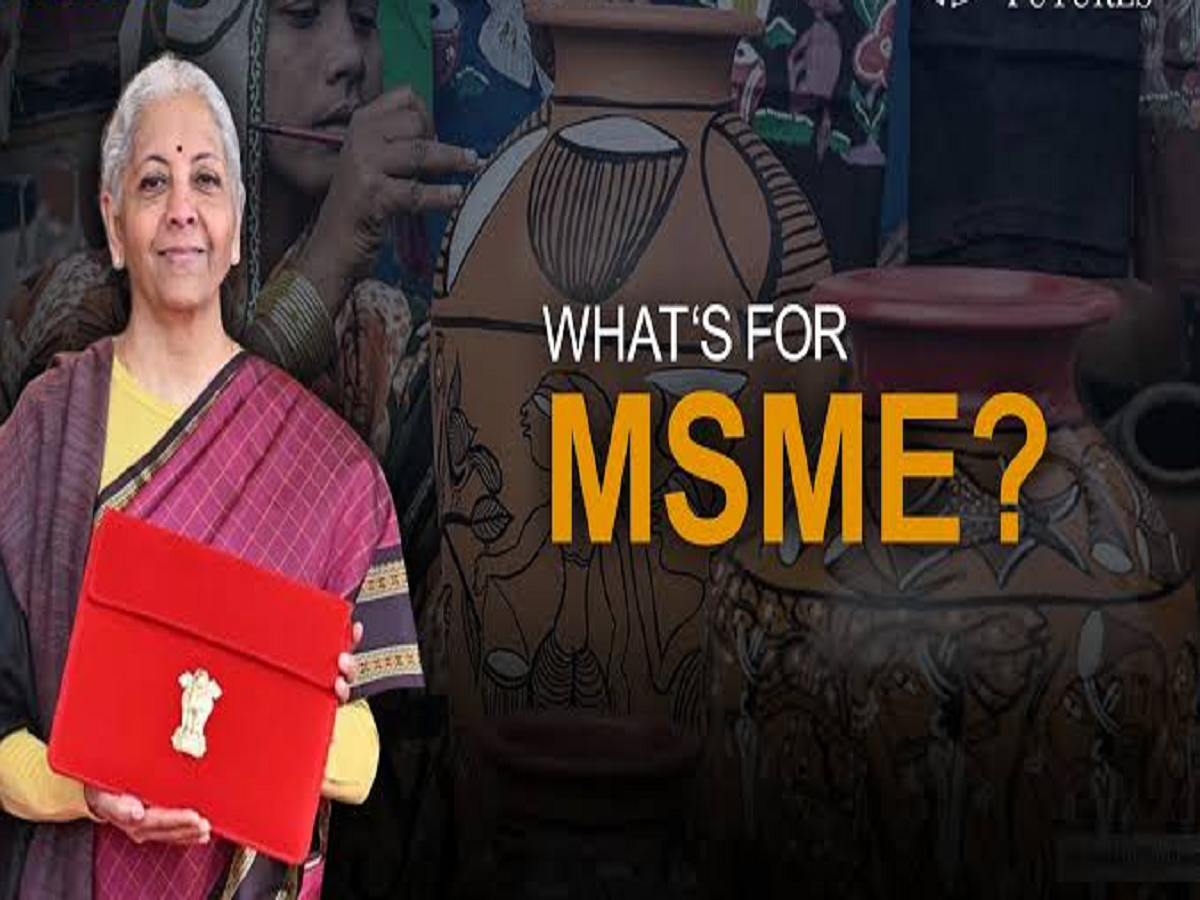
Government-backed welfare and financial-support programmes continue to play an important role in helping small entrepreneurs, street vendors, artisans and other economically vulnerable groups. Several existing schemes have also expanded their reach, making it easier for eligible beneficiaries to access credit, training and other forms of support.
For people planning to start a small business or strengthen an existing livelihood, understanding these schemes can be useful. Here are some important government initiatives worth knowing about in 2026.
PM SVANidhi: Support for Street Vendors
The PM Street Vendor's AtmaNirbhar Nidhi (PM SVANidhi) scheme provides working-capital support to eligible street vendors. The programme is designed to help vendors restart or expand their businesses while encouraging digital transactions and timely repayment.
According to government data, more than 1.15 crore loans have been sanctioned under the scheme, benefiting nearly 74.9 lakh street vendors. Women account for around 46% of beneficiaries.
The scheme can be particularly useful for vendors who need small amounts of working capital for activities such as purchasing stock, raw materials or other business requirements.
PM Vishwakarma: Support for Traditional Artisans
Traditional artisans and craftspeople can also benefit from PM Vishwakarma, which focuses on strengthening livelihoods in traditional trades.
The programme combines skill development, modern toolkits and access to institutional credit. By May 2026, more than 30 lakh artisans had been registered, while nearly 24 lakh had received specialised skill training.
This can help artisans improve their skills, modernise their work and gain better access to formal financial services.
Stand-Up India: Encouraging Entrepreneurship
For aspiring entrepreneurs, Stand-Up India is another important initiative. The scheme facilitates bank loans for eligible women and entrepreneurs belonging to Scheduled Caste and Scheduled Tribe communities who want to establish new enterprises.
The loans can support businesses in manufacturing, services, trading and agriculture-related activities.
PM Mudra Yojana: Credit for Small Businesses
Small entrepreneurs can also explore the Pradhan Mantri Mudra Yojana (PMMY), which is aimed at improving access to institutional credit for micro and small businesses.
The broader objective of such programmes is to help people move from informal borrowing towards formal financial channels while supporting self-employment and entrepreneurship.
Why These Schemes Matter
Government schemes are increasingly focusing not just on providing financial assistance but also on improving skills, formalising businesses and expanding access to banking and digital services.
For a person planning to start or expand a small business, the right scheme could potentially reduce financial barriers and provide access to training or institutional support.
However, eligibility, loan amounts, interest rates, documentation and application procedures can vary between schemes. Applicants should therefore check the latest official guidelines before applying and avoid relying on unverified social-media claims.
What Applicants Should Keep Ready
Before applying for a government scheme, beneficiaries may need documents such as Aadhaar, bank-account details, mobile-number information, address proof and other documents relevant to the particular programme.
Applicants should use official government portals or authorised agencies for applications and never share OTPs, PINs or banking passwords with anyone claiming to arrange government benefits.
With millions of people already benefiting from different welfare, credit and livelihood programmes, these initiatives remain an important part of India's push towards financial inclusion and self-employment.