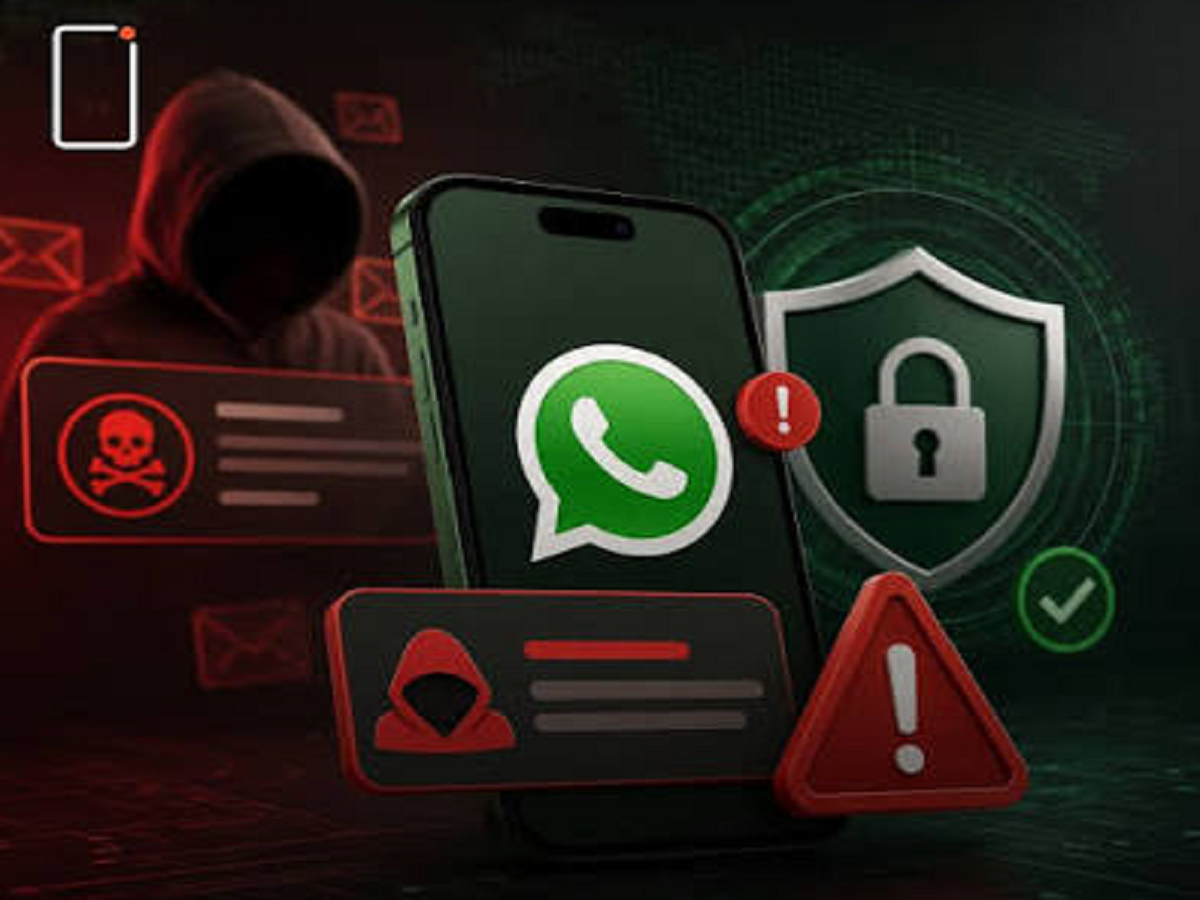
Tired of suspicious texts and phishing traps from unknown numbers? WhatsApp is building a major defense system to protect you. The messaging giant is developing a highly anticipated "Scam Alert" feature designed to automatically flag and warn users about fraudulent messages the moment they hit your inbox.
Discovered in a recent Android beta update by tracking site WABetaInfo, this tool aims to put a definitive roadblock in front of online scammers.
🛡️ How the "Scam Alert" Will Protect You
The feature targets the most common source of cyber fraud: deceptive messages originating from unknown contacts.
-
Instant Warnings: If an incoming message from an unrecognized number looks suspicious, WhatsApp will display a prominent warning banner directly inside the chat window.
-
Quick Execution: Alongside the warning, you will see a notice confirming the sender is not in your address book, paired with immediate, one-tap buttons to Block or Report the fraudster.
-
Total Control: The system isn't rigid. If the message turns out to be legitimate (like a new delivery agent or business contact), you can easily dismiss the alert and keep chatting.
🔒 Ironclad Privacy: No Snooping Allowed
One of the biggest concerns with automated scanning is user privacy. WhatsApp has explicitly stated that the Scam Alert system will be 100% on-device.
Zero Server Leaks: Your chats will not be uploaded to WhatsApp or Meta servers for analysis. The scanning happens entirely on your local phone processor, ensuring your standard end-to-end encryption remains completely unbroken.
This local processing mimics WhatsApp’s voice transcript tool, which converts audio to text without sending the audio data into the cloud. Furthermore, a private transparency log will let you see exactly which messages triggered the alert, and these logs remain strictly confidential on your device.
⚙️ When Can You Get It?
The feature is currently in its active development phase. To respect user preferences, WhatsApp plans to keep it disabled by default. Users looking for that extra layer of digital security can simply toggle it on via the app's Settings menu.