LIFESTYLE
Global Fatty Liver Day 2026: Doctors Warn of Strong Link Between Fatty Liver and Liver Cancer
Global Fatty Liver Day 2026 is observed every year on the second Thursday of June to raise awareness about one of the fastest-growing liver conditions worldwide—fatty liver disease.
In India, the condition is becoming increasingly common, yet many people remain unaware of its long-term risks, including its potential progression to liver cancer.
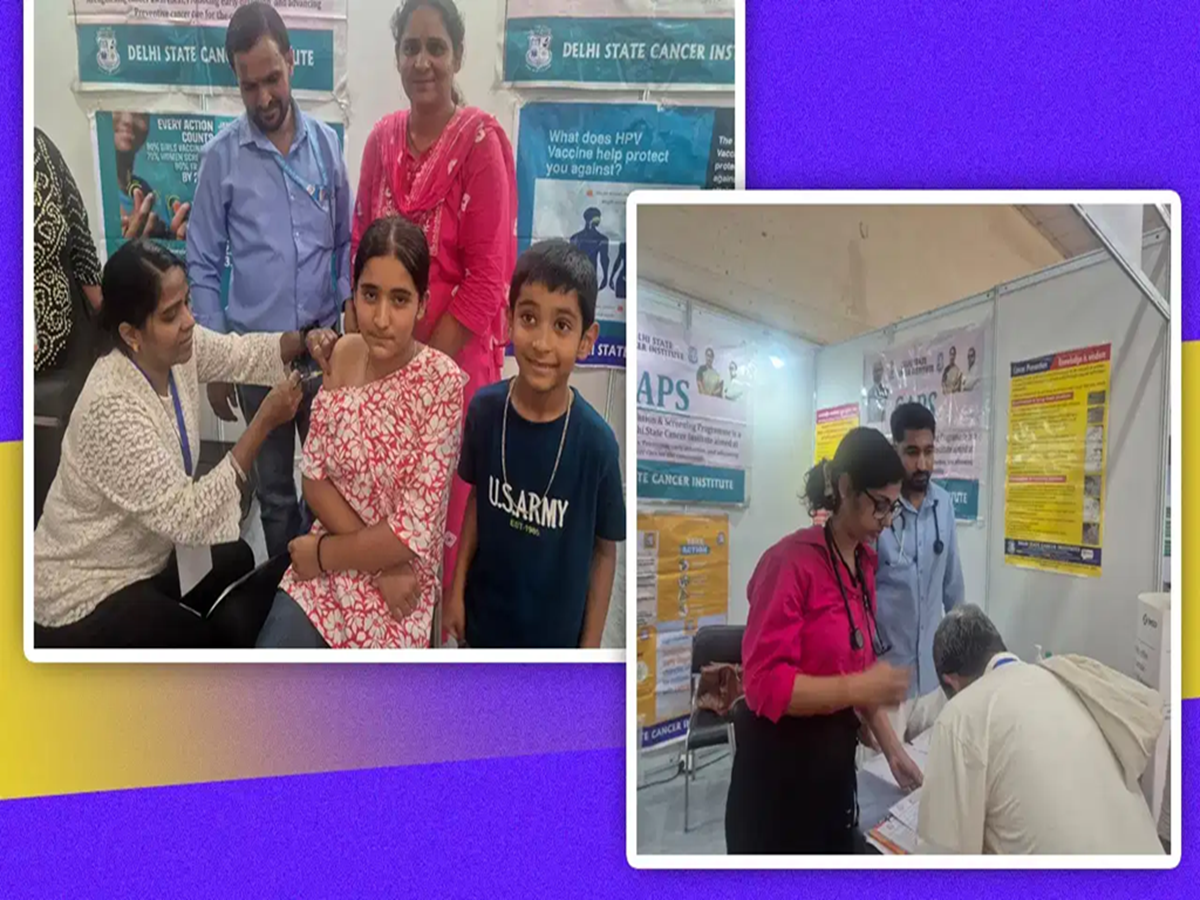
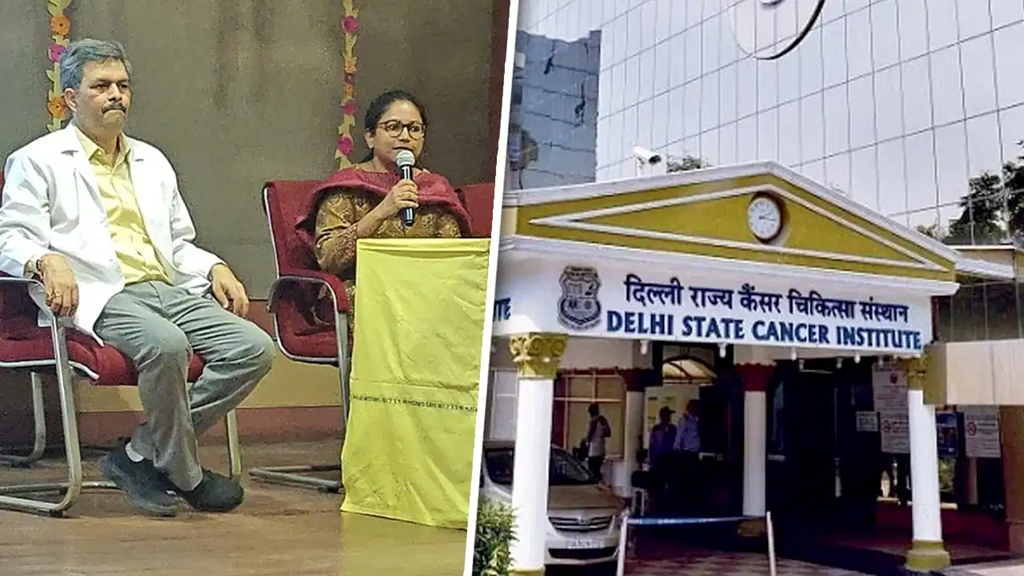
This year, the Delhi State Cancer Institute (DSCI), in collaboration with the SPARE Society, organized a special awareness program to highlight the growing burden of fatty liver disease and its connection with hepatocellular carcinoma (HCC), the most common type of liver cancer.
Focus on Awareness and Early Detection
The event, held at the DSCI auditorium, brought together gastroenterologists, oncologists, dietitians, nurses, and public health experts. The main goal was to spread awareness about:
-
Early detection of fatty liver disease
-
Lifestyle changes for prevention
-
Regular screening for high-risk individuals
-
Reducing progression to severe liver damage
Fatty Liver: A Growing Health Concern
Speaking at the event, experts highlighted that Metabolic Dysfunction Associated Fatty Liver Disease (MAFLD) is rising rapidly due to lifestyle factors such as poor diet, obesity, diabetes, and lack of physical activity.
Doctors emphasized that if detected early, fatty liver can be managed effectively and serious complications like cirrhosis and liver cancer can often be prevented.
Expert Opinions on Prevention
Dr. Pankaj Tyagi, Head of Gastroenterology at DSCI, described fatty liver as one of the fastest-growing liver diseases globally. He stressed that:
Timely diagnosis, healthy lifestyle changes, and control of metabolic risk factors can significantly reduce the risk of liver failure and cancer.
He added that awareness remains the strongest tool for prevention.
Link Between Fatty Liver and Cancer
Dr. Savita Arora, Director of DSCI, highlighted the growing scientific evidence linking fatty liver disease to liver cancer. She emphasized the importance of preventive healthcare, regular screening, and early intervention to reduce future cancer risk.
Call for Public Action
Dr. Ravinder Singh, Joint Director of DSCI, urged both healthcare workers and the general public to take liver health seriously. He recommended:
-
Regular physical activity
-
Balanced nutrition
-
Weight management
-
Routine health checkups
He noted that many cases of fatty liver disease can be reversed or controlled if detected early.
Conclusion
Experts concluded that fatty liver disease is no longer a minor lifestyle condition but a serious public health concern. With rising cases worldwide, awareness, early diagnosis, and lifestyle correction remain the most effective ways to prevent complications such as liver cancer.