TECH
Getting Calls From 1601 Numbers? Don't Ignore Them — New Calling Series Launched for Utility and Delivery Services
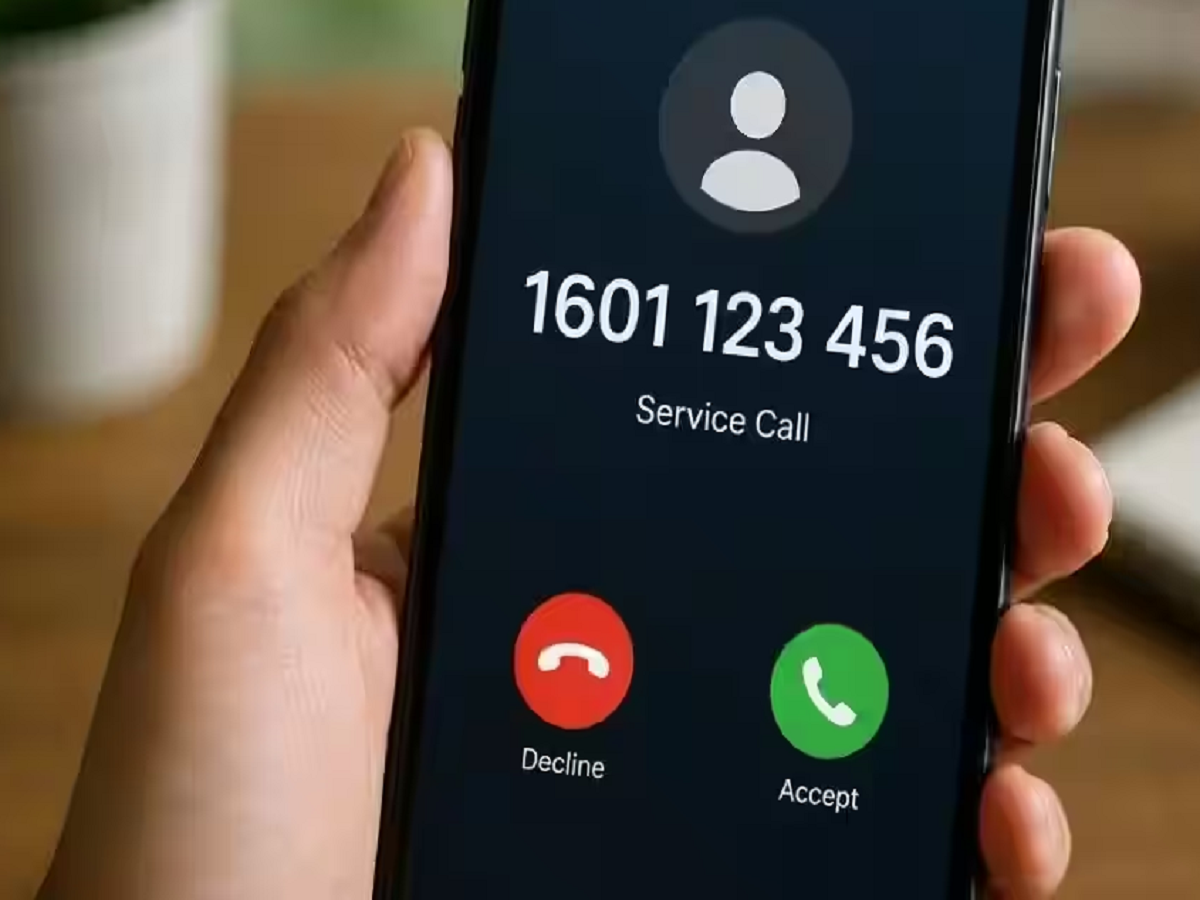
If you have recently noticed calls from unfamiliar numbers beginning with 1601, there is an important reason behind them. The Telecom Regulatory Authority of India (TRAI) has started the phased rollout of the new 1601 numbering series for service and transactional calls made by utility, courier, and logistics companies.
The move is designed to make it easier for people to distinguish these calls from banking, insurance, financial-services, and government-related communications.
What Is the New 1601 Numbering Series?
The 1601 series has been introduced specifically for service and transactional calls from certain non-financial sectors.
These can include calls related to:
-
Utility services
-
Courier companies
-
Logistics services
-
Other eligible service-related communications
The new numbering system is being rolled out in phases.
Why Has TRAI Introduced 1601 Numbers?
People regularly receive calls from banks, insurance companies, government departments, delivery services, electricity providers, and other organisations.
When all these calls appear to come from ordinary mobile numbers, it can be difficult to determine whether a call is genuine or potentially fraudulent.
The new numbering structure is intended to create greater clarity around service and transactional calls.
1600 and 1601 Numbers Will Have Different Purposes
The 1600 series is already associated with service and transactional calls from sectors such as banking, financial services, insurance, and government.
The introduction of 1601 helps separate calls from other sectors, including utilities and logistics.
This distinction could make it easier for consumers to understand the general category of organisation calling them.
Does a 1601 Call Mean It Is Definitely Safe?
No.
The new number series can help identify the category of a call, but consumers should still remain cautious.
A genuine-looking number should not be treated as automatic proof that the caller is trustworthy. Scammers can use social engineering, fake customer-care numbers, or other methods to convince people that they are speaking to an authorised representative.
Never share your OTP, UPI PIN, ATM PIN, banking password, or card security details over a phone call.
Be Especially Careful With "Verification" Calls
Fraudsters may claim that your electricity connection, courier delivery, mobile service, or another account will be blocked unless you complete an urgent verification.
They may ask you to click a link, install an application, transfer money, or reveal an OTP.
If a caller asks for sensitive information or demands an immediate payment, end the call and contact the organisation through its official website or customer-care channel.
What Should You Do When You Receive a 1601 Call?
If you receive a call from a 1601 number, consider the context.
For example, if you are expecting a courier delivery or have recently contacted a utility provider, the call may be related to that service.
However, if the caller asks for confidential financial information, do not provide it simply because the number begins with 1601.
Verify the caller independently through the company's official contact details.
Will This Help Reduce Spam and Fraud?
The new numbering system is primarily intended to improve identification and transparency for service and transactional calls. It should make it easier for consumers to distinguish different categories of calls, but it is not a guarantee that every call will be genuine.
Consumers will still need to follow basic precautions when dealing with unknown callers.
The Bottom Line
TRAI's new 1601 numbering series is being introduced for service and transactional calls from sectors such as utilities, courier, and logistics companies. The system is intended to distinguish these calls from the 1600 series used for banking, financial services, insurance, and government-related communications.
So, if a 1601 number appears on your phone, you now have some context about what type of call it may be. But remember: never share OTPs, UPI PINs, passwords, or banking details over the phone, even if the caller claims to represent a legitimate company.