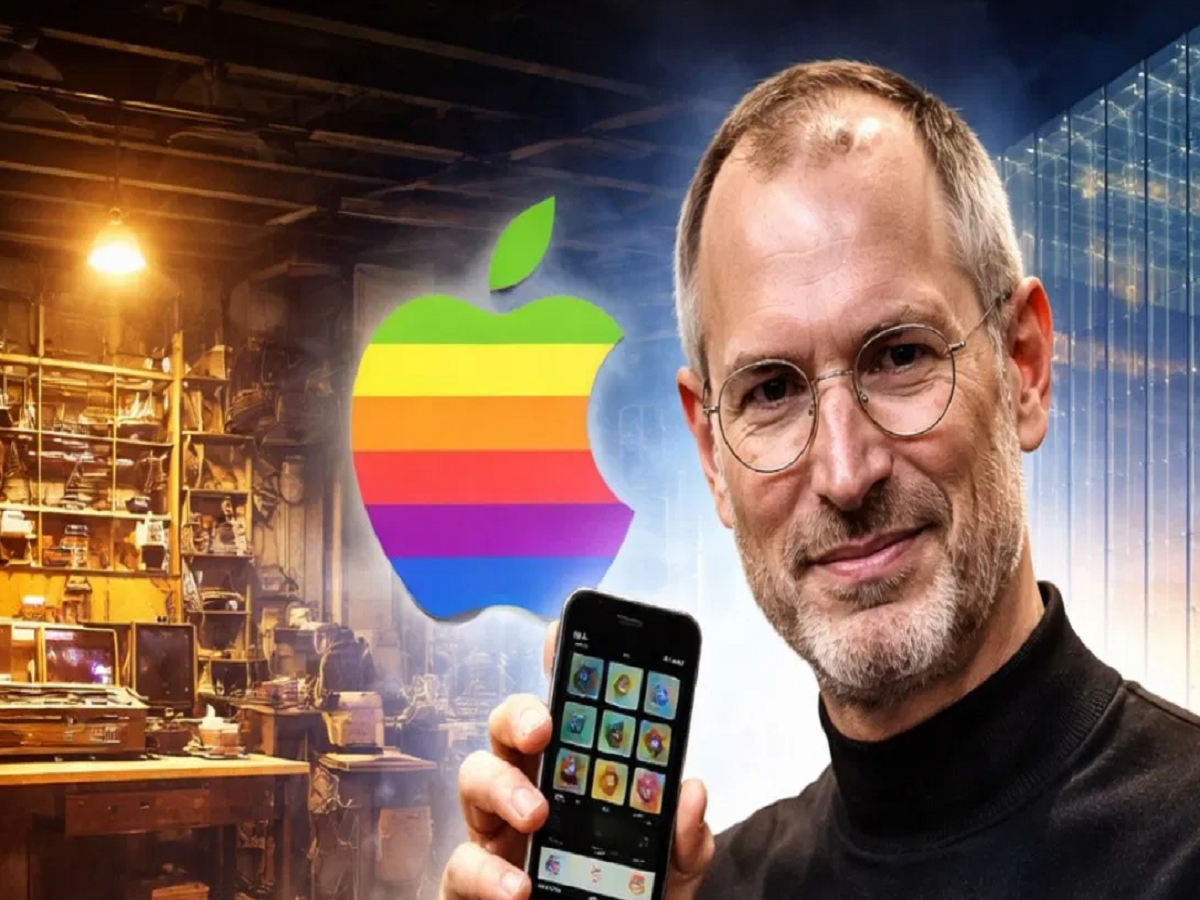
As Apple approaches its 50th anniversary on April 1, 2026, the company stands as a symbol of technological revolution and innovation. What began in a California garage in 1976, founded by Steve Jobs, Steve Wozniak, and Ronald Wayne, has grown into a global powerhouse valued at nearly $4 trillion.
Over the decades, Apple has not just launched products but reshaped entire industries—transforming how people use computers, listen to music, communicate, and interact with technology. Several landmark innovations have played a crucial role in this journey.
The Apple II, introduced in 1977, marked the company’s first major success, bringing personal computing to homes with its user-friendly design and color graphics. In 1984, the Macintosh revolutionized computing further by introducing a graphical user interface and mouse, making computers accessible to the masses.
After Steve Jobs returned to Apple in 1997, the colorful iMac (1998) revitalized the brand and redefined personal computing aesthetics. This was followed by the iPod in 2001, which transformed the music industry by allowing users to carry thousands of songs in their pockets.
The biggest breakthrough came in 2007 with the launch of the iPhone, a device that combined a phone, music player, and internet communicator—forever changing the smartphone landscape. Apple continued to innovate with the ultra-thin MacBook Air in 2008 and later entered the wearable segment with the Apple Watch in 2015.
Products like AirPods (2016) simplified wireless audio, while the iPhone X (2017) introduced an all-screen design and Face ID technology. In 2020, Apple took a major leap by launching its in-house M1 chip, significantly improving performance and efficiency in Mac computers.
From pioneering personal computers to leading the smartphone and wearable markets, Apple’s journey reflects a consistent focus on design, simplicity, and user experience. As it completes five decades, the company’s legacy remains defined by its ability to anticipate and shape the future of technology.