India's nutritional challenges are changing. Along with undernutrition, deficiencies of essential vitamins and minerals are increasingly being seen across different sections of the population. Among these, vitamin B12 and vitamin D deficiencies are particularly important because they can affect energy levels, nerves, muscles, bones, and overall health.
Research has reported a high prevalence of both deficiencies in India, although the exact figures vary considerably between studies and population groups. An Indian meta-analysis estimated vitamin D deficiency at around 61% and vitamin B12 deficiency at around 53%.
Why does vitamin B12 deficiency happen?
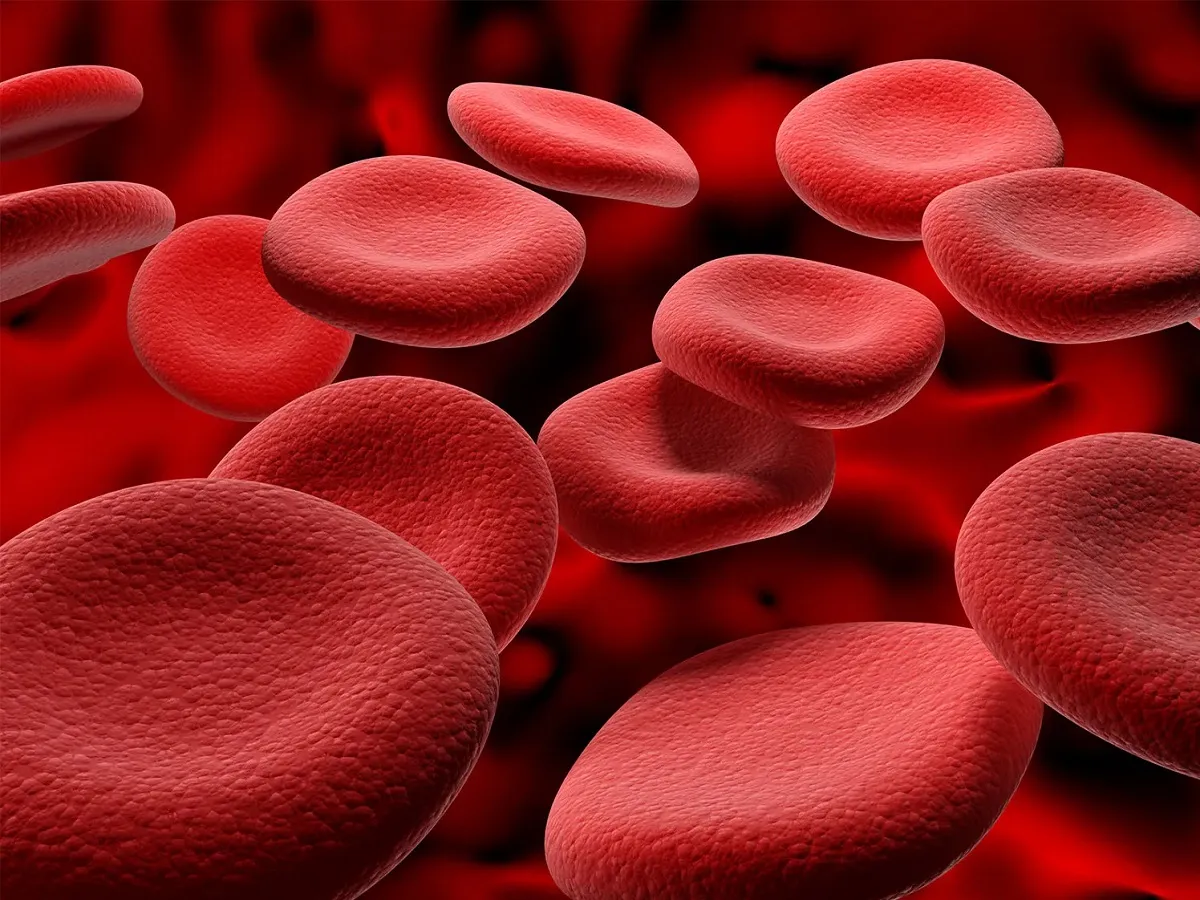
Vitamin B12 is required for red blood cell formation, DNA synthesis, and normal nervous-system function. Because naturally occurring B12 is found mainly in animal-derived foods, people following a strict vegetarian or vegan diet may have a greater risk of inadequate intake.
A deficiency can cause persistent tiredness, weakness, dizziness, tingling or numbness in the hands and feet, and problems with concentration or memory. If it remains untreated for a long time, B12 deficiency can lead to anemia and potentially permanent nerve damage.
However, diet isn't the only possible cause. Problems with B12 absorption and certain medicines or medical conditions can also contribute to deficiency.
Vitamin D deficiency despite India's sunshine
Vitamin D is essential for calcium absorption and healthy bones and muscles. Despite India's sunny climate, many people may have inadequate vitamin D levels.
Spending most of the day indoors, limited exposure to sunlight, clothing that covers most of the body, and insufficient dietary sources can all contribute to low vitamin D levels.
Vitamin D deficiency can be associated with bone or muscle discomfort, muscle weakness, and poor bone health. Severe or prolonged deficiency can contribute to bone-softening disorders.
Who may be at greater risk?
People who spend little time outdoors, older adults, individuals with limited diets, and those with conditions that affect nutrient absorption may be at increased risk. People following strict vegetarian or vegan diets should pay particular attention to reliable sources of vitamin B12.
What can you do?
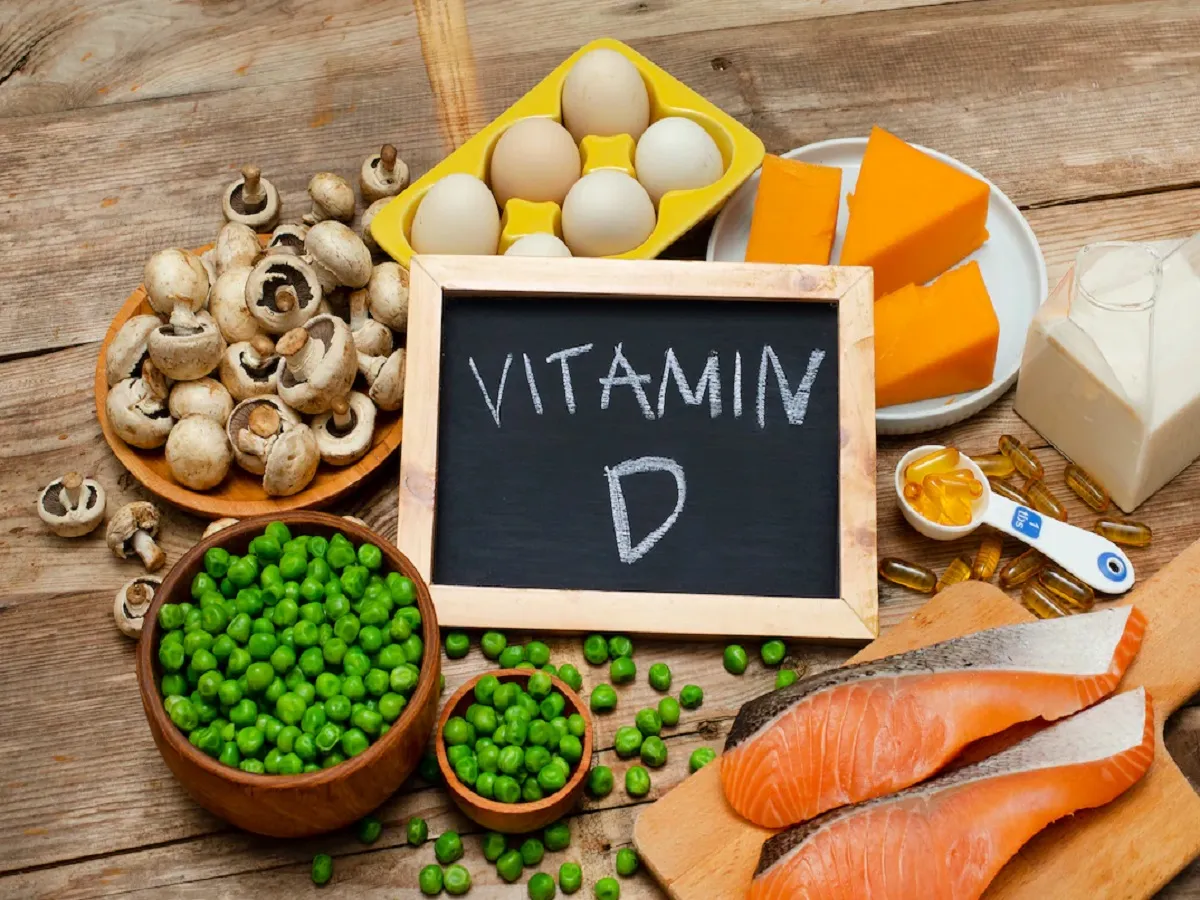
A balanced diet is the first step. Depending on dietary preferences, foods such as milk, yogurt, eggs, fish, and other nutrient-rich foods can provide B12 or support overall nutrition. People following plant-based diets may need fortified foods or a B12 supplement.
For vitamin D, appropriate sunlight exposure and dietary sources can help, while supplements may be necessary when a deficiency is confirmed.
Importantly, fatigue, weakness, or body pain alone does not prove that you have a vitamin deficiency. These symptoms can have many causes. If symptoms persist or you have risk factors for deficiency, a doctor can determine whether blood testing is appropriate.
The bottom line
Vitamin B12 and vitamin D deficiencies are genuine nutritional concerns in India, but they should not be diagnosed based on symptoms alone. A balanced diet, appropriate sunlight exposure, testing when medically indicated, and professional guidance on supplementation are safer ways to address potential deficiencies.