LIFESTYLE
From Dal-Roti to Packaged Food: How India’s Traditional Plate Has Changed and What It Means for Your Health
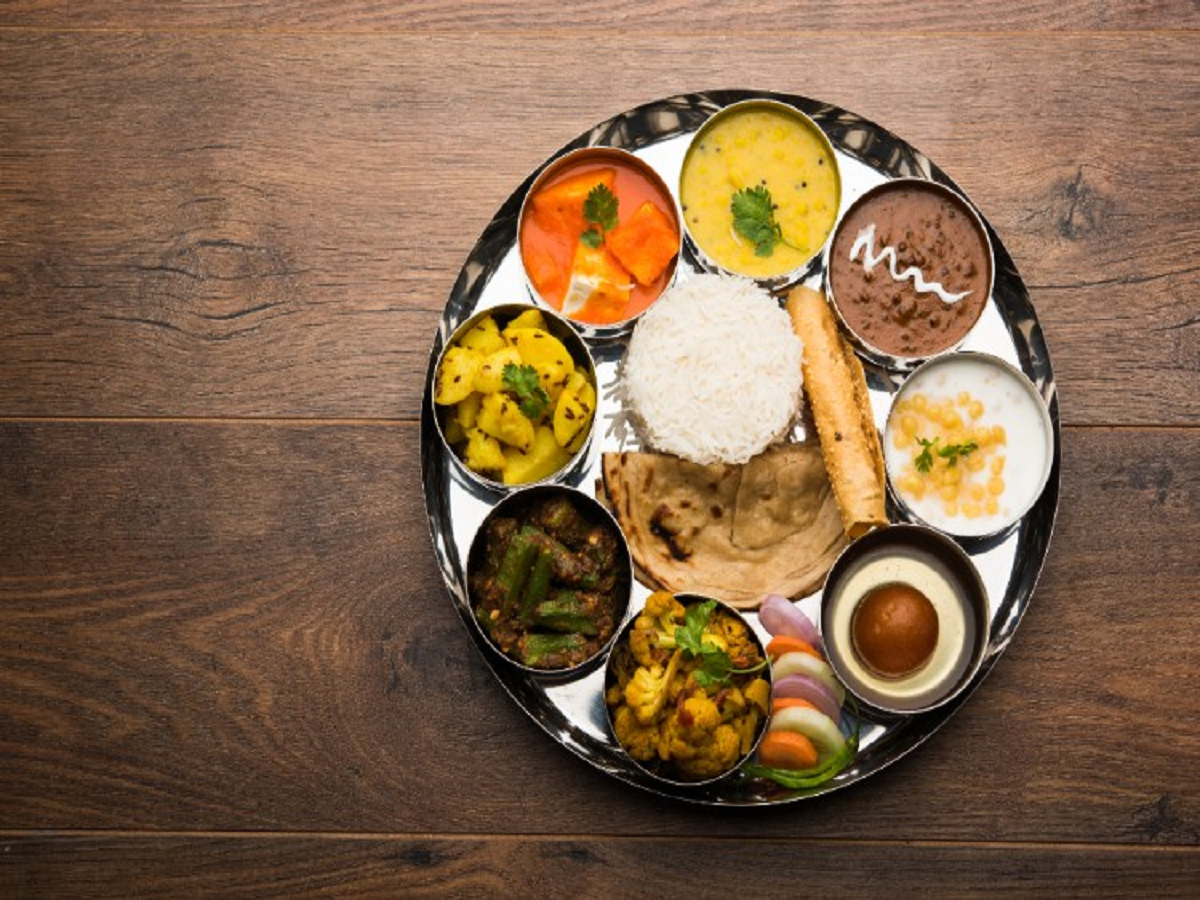
For generations, the typical Indian plate has revolved around dal, roti, rice, vegetables, curd and freshly prepared home-cooked food. But changing lifestyles, urbanization and the growing availability of convenience foods have significantly transformed what Indians eat today.
Refined flour products, polished white rice, packaged snacks, frozen foods and other processed products are increasingly finding their way into everyday meals. While these foods can be convenient, consuming too many highly processed foods may make it harder to maintain a balanced diet.
According to the World Health Organization (WHO), urbanization, lifestyle changes and the easy availability of processed foods have influenced eating patterns across populations. Many processed foods can contain high amounts of calories, salt, sugar and unhealthy fats, making moderation and overall dietary balance important.
Changes in Farming and Grain Processing Have Also Changed Our Plates
The transformation of the Indian diet isn't limited to what happens in the kitchen. Changes in agriculture, grain processing and food availability have also played a role.
Dr. Neeraj Goyal, Director and Senior Consultant in GI Surgery and GI Oncology at Dharamshila Narayana Hospital, says that many traditionally consumed coarse and minimally processed grains are no longer as common in everyday diets. At the same time, polished rice and refined wheat products have become much easier to find.
Excessive processing and refining can reduce some of the naturally occurring fibre and nutrients in grains. Therefore, nutrition experts often emphasize choosing better-quality carbohydrate sources rather than focusing only on the total amount of carbohydrates consumed.
Is Refined Flour Really the Problem?
Roti remains an important part of the Indian diet, but the type of flour used to make it matters.
When whole-wheat flour is replaced frequently with refined flour or maida-based products, the overall fibre content of the diet can decrease. The concern becomes greater when meals are already low in pulses, vegetables, fruits, whole grains and other fibre-rich foods.
However, it would be incorrect to assume that all flour is adulterated or that flour containing maida automatically causes disease. The bigger concern is excessive dependence on refined carbohydrates and a lack of dietary variety.
Rice Is Not the Enemy—Portion Size and Balance Matter
There is no need for everyone to completely eliminate rice from their diet. Rice provides carbohydrates and energy and can be part of a healthy meal.
The problem can arise when rice or other refined carbohydrates occupy most of the plate while vegetables, pulses, protein and fibre are missing or present in very small quantities.
So, the question isn't simply whether you should eat roti or rice. What matters more is how much you eat, what you eat with it and how balanced your overall diet is.
Food Quality and Adulteration Cannot Be Ignored
Food quality is another important part of the discussion. Substandard or adulterated grains and flour can raise concerns related to both nutrition and food safety.
At the same time, it is not appropriate to assume that every packaged or loose grain product is adulterated. Consumers should preferably purchase grains and flour from reliable sources and check labels carefully when buying packaged food.
Eating a varied diet instead of depending heavily on a single grain or food product can also help improve overall nutritional quality.
Our Lifestyle Has Changed Along With Our Food
The transformation of the Indian diet has happened alongside another major change—our daily activity levels.
In the past, walking, climbing stairs, household chores and other everyday activities provided more opportunities for physical movement. Today, sedentary jobs, increased screen time and greater dependence on vehicles have reduced physical activity for many people.
When calorie intake remains high while physical activity decreases, the body may struggle to use the excess energy effectively. Over time, this can contribute to weight gain and increase the risk of metabolic health problems.
What Should a Healthy Indian Plate Look Like?
Eating healthy does not mean completely giving up roti or rice. Instead, the focus should be on building a balanced and varied plate.
A nutritious meal can include:
-
Whole or minimally processed grains
-
Dal and other pulses
-
Plenty of vegetables
-
Seasonal fruits
-
Adequate protein
-
Healthy sources of fat
-
Appropriate portions of rice or roti
Simply cutting down on roti or rice is not a complete solution. The quality and variety of the entire diet matter, along with regular physical activity.
The real change Indian diets need is not a complete departure from traditional food, but a return to balance—more whole foods, greater variety, sensible portions and less dependence on highly processed products.