BUSINESS
Forgot to Update Your Mobile Number in Important Documents? Here's Why It Can Cause Problems
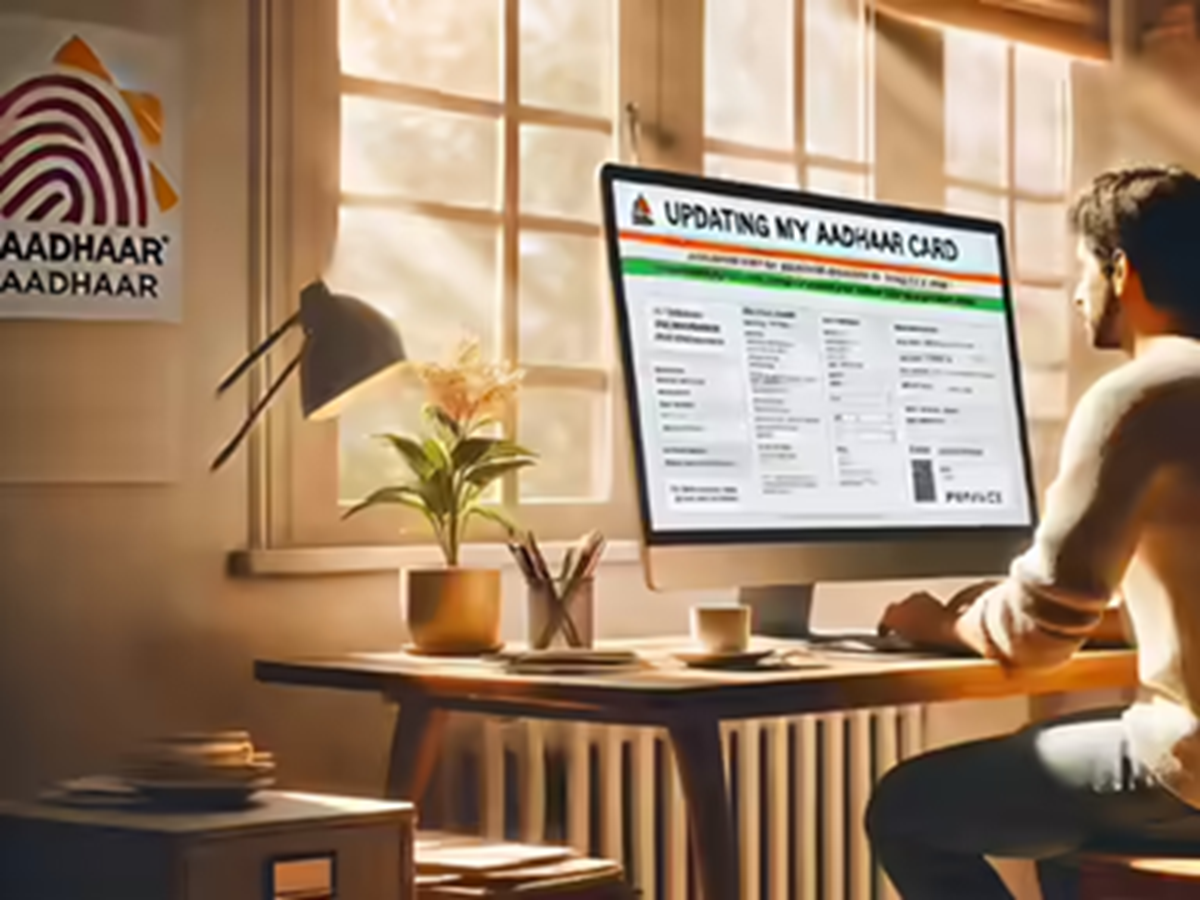
In today's digital world, your mobile number is more than just a way to make calls. It plays a key role in verifying your identity, receiving important alerts, completing online transactions, and accessing various government and financial services. If your registered mobile number is outdated or inactive, you may face unexpected difficulties when you need these services the most.
Here's why keeping your mobile number updated in important documents is essential.
Why Your Mobile Number Matters
Most online services use your registered mobile number to send One-Time Passwords (OTPs), security alerts, application updates, and important notifications. Without access to the registered number, completing many online processes can become difficult.
Documents Where Your Mobile Number Should Be Updated
Consider updating your mobile number wherever it is officially registered, including:
- Aadhaar records
- PAN-related services
- Bank accounts
- LPG customer records
- Insurance policies
- Pension accounts
- Driving licence records
- Passport applications
- Health-related government records
Having the same active number across your important records makes communication and verification much easier.
Problems You May Face with an Old Mobile Number
1. Unable to Receive OTPs
Many online services require OTP verification before allowing access. If your old number is inactive, you may not be able to complete important transactions or applications.
2. Missing Important Notifications
Government departments, banks, and service providers often send updates through SMS. An outdated mobile number means you could miss important alerts.
3. Difficulty Accessing Online Services
Many portals require mobile verification before allowing profile updates, downloads, or application tracking.
4. Increased Security Risks
If your old number has been reassigned to someone else, there is a possibility that sensitive verification messages could reach another person.
5. Delays in Government Benefits
Many benefit-related notifications are sent to registered mobile numbers. Keeping your number updated helps ensure you receive timely communication.
When Should You Update Your Mobile Number?
You should consider updating your records if:
- You have changed your mobile number.
- Your previous SIM card is permanently inactive.
- Your registered number belongs to a family member who no longer uses it.
- You no longer have access to the old number.
- You have switched to a different service provider and received a new number.
Tips for Managing Important Mobile Numbers
- Use one primary mobile number for major official records whenever possible.
- Keep your SIM card active.
- Avoid frequently changing your primary number.
- Save important SMS notifications until your work is completed.
- Update your records soon after changing your number.
How to Stay Organized
Create a checklist of the services where your mobile number is registered. Whenever you change your number, review the list and update each record one by one. This simple habit can prevent many future inconveniences.
Frequently Asked Questions
Is it necessary to use the same mobile number everywhere?
While not mandatory, using one active number for important records makes it easier to manage notifications and verification requests.
What happens if I lose my registered mobile number?
You may need to complete additional verification steps before updating your records, depending on the service involved.
How often should I check my registered mobile details?
Review them at least once a year or whenever you change your contact information.