LIFESTYLE
Food Safety Alert in India: Toxic Chemicals Found in Eggs, New Study Raises Alarming Health Concerns
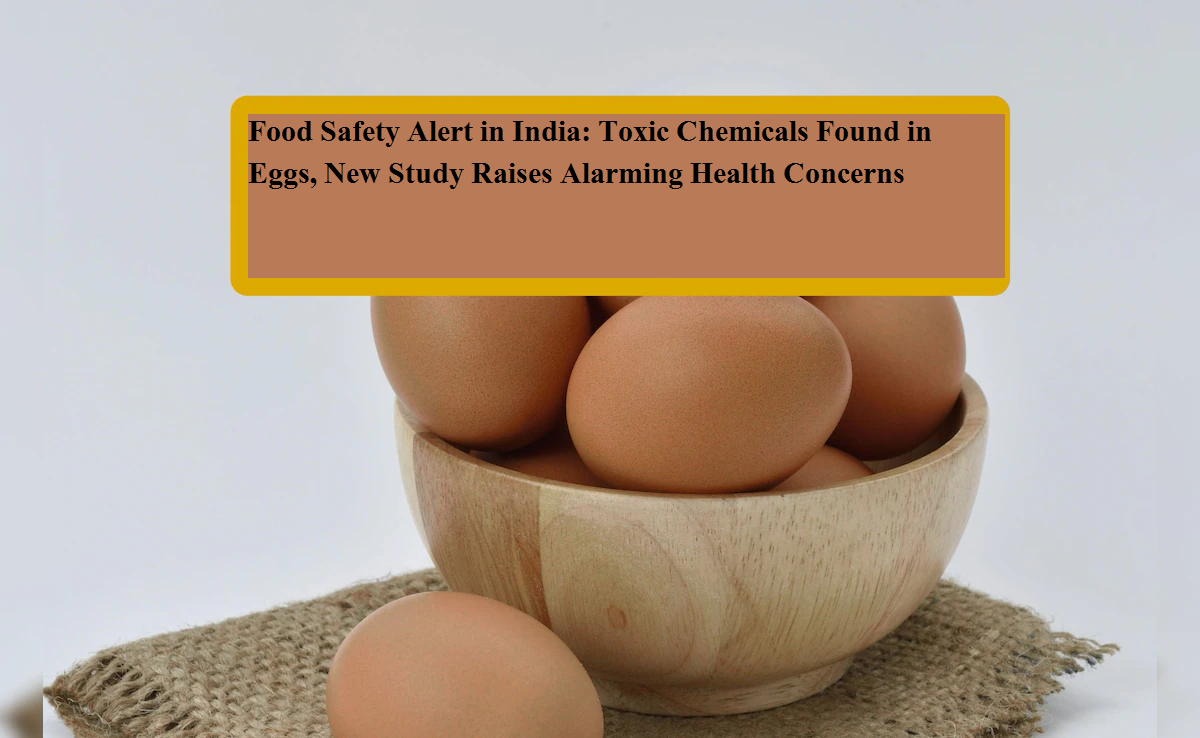
A recent laboratory test has raised serious concerns over food safety in India, triggering widespread anxiety among consumers. Eggs, long considered one of the most affordable and nutritious sources of protein, are now under scrutiny after a study revealed the presence of dangerous and banned chemicals in samples sold by a poultry company. The findings have reignited the debate over food adulteration and regulatory enforcement in the country.
What the Study Revealed
According to the laboratory analysis, eggs from a particular company were found to contain Nitrofuran and Nitroimidazole, two chemical substances that are strictly prohibited in poultry farming. These compounds are classified as genotoxic, meaning they can damage DNA when consumed over a prolonged period. Health experts warn that long-term exposure to such substances may significantly increase the risk of cancer and other serious illnesses.
The detection of these chemicals is especially alarming because eggs are consumed daily by millions of Indians, including children, elderly people, pregnant women, and fitness enthusiasts who rely on them as a primary protein source.
Why These Chemicals Are Dangerous
Nitrofurans and Nitroimidazoles were previously used as antibiotics in animal farming to prevent infections and promote rapid growth. However, due to their severe health risks, their use has been banned in food-producing animals in India and many other countries.
Medical experts explain that genotoxic substances do not show immediate symptoms. Instead, they accumulate slowly in the body, damaging genetic material at the cellular level. Over time, this damage can lead to mutations, weakened immunity, reproductive issues, and cancer. This makes the contamination particularly dangerous, as consumers may remain unaware of the harm until serious health problems develop.
Growing Food Adulteration Crisis in India
The revelation comes at a time when food adulteration in India has reached alarming levels. From milk and spices to edible oils and packaged foods, repeated investigations have exposed unsafe practices across the food supply chain. The presence of toxic chemicals in eggs only deepens public distrust and raises a troubling question: what is safe to eat anymore?
Consumer rights activists argue that the problem is not limited to one company. They believe that unregulated use of veterinary drugs, lack of strict monitoring, and weak enforcement of food safety laws have created an environment where such violations continue unchecked.
Regulatory Oversight Under Scanner
India’s food safety framework, governed by the Food Safety and Standards Authority of India (FSSAI), mandates strict guidelines for poultry products. The discovery of banned substances has once again put regulatory agencies under pressure to explain how such products reached the market despite existing laws.
Experts are calling for:
-
More frequent and random testing of poultry products
-
Stricter penalties for companies found violating food safety norms
-
Greater transparency in food labeling and sourcing
Public health specialists stress that enforcement should focus not only on punishment but also on preventive measures, including educating poultry farmers about safe alternatives to banned drugs.
Impact on Consumers and Poultry Industry
The findings have understandably shaken consumer confidence. Many households are now reconsidering their dietary choices, while nutritionists warn against panic-driven decisions. They advise consumers to:
-
Buy eggs from reputed and certified brands
-
Avoid unusually cheap poultry products
-
Prefer locally sourced or organic eggs where possible
Meanwhile, the poultry industry fears that such reports could lead to a sharp drop in egg consumption, affecting farmers who follow ethical and legal practices. Industry experts argue that while violations must be dealt with firmly, responsible producers should not be painted with the same brush.
The Bigger Question: What Should People Eat?
With repeated food safety scares, the public is increasingly asking a disturbing question—what can be eaten safely today? Nutrition experts suggest diversification of diet, inclusion of plant-based protein sources, and informed consumer choices rather than complete avoidance of staple foods.
At the same time, health professionals emphasize that the ultimate responsibility lies with authorities and producers, not consumers, to ensure that food reaching the plate is safe.
A Wake-Up Call for Food Safety
The detection of toxic chemicals in eggs should serve as a wake-up call for India’s food safety ecosystem. Without strict enforcement, transparency, and accountability, such incidents risk becoming more common, posing long-term threats to public health.
As investigations continue, consumers, regulators, and producers alike are watching closely—because when even everyday foods like eggs come under suspicion, food safety becomes a national concern, not just a regulatory issue.