TECH
FASTag New Rule 2026: This Mistake Can Cost You More at Toll Plazas, Check Your FASTag Before Travelling
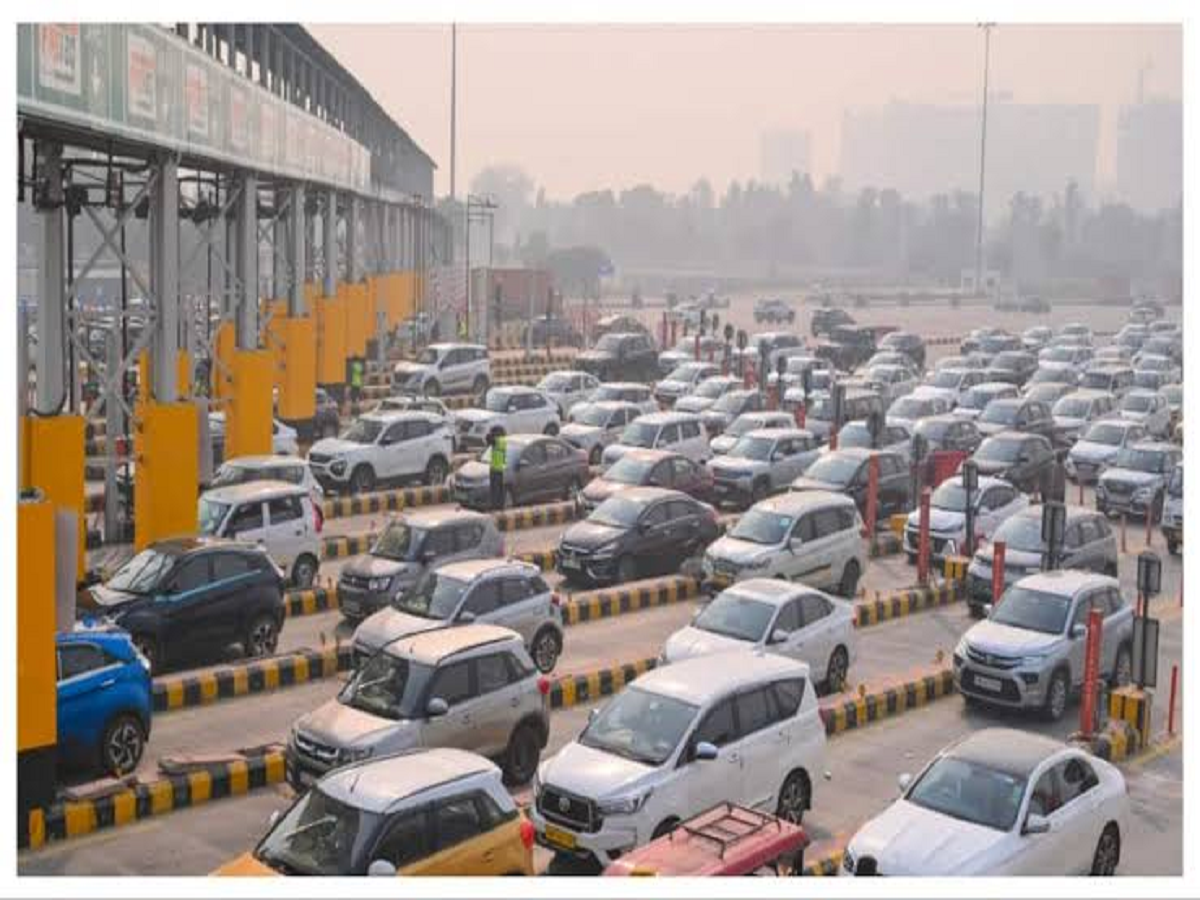
If you frequently travel by car on national highways, don't ignore the condition of your FASTag. FASTag remains mandatory for cars and other eligible vehicles using India's national highway toll system, and several rules govern how the tag must be linked with the vehicle and maintained.
With toll payments becoming increasingly dependent on FASTag, even a small issue with your tag, vehicle details or account balance can cause problems during a journey.
What is FASTag?
FASTag is an electronic toll-collection system that uses RFID technology attached to a vehicle's windscreen.
When the vehicle passes through an eligible toll plaza, the applicable toll amount is deducted electronically from the linked FASTag account. This eliminates the need to stop and make a cash payment at the toll booth.
FASTag is mandatory for Class M and N vehicles, which broadly covers four-wheelers and larger vehicles carrying passengers or goods.
Keep your FASTag linked to the correct vehicle
One of the most important things for vehicle owners is ensuring that their FASTag details match the vehicle.
FASTag rules require the tag to be associated with the relevant vehicle details. If you have purchased a new vehicle, changed your vehicle or transferred ownership, don't assume that an old FASTag can simply continue to be used without updating the records.
What happens if your FASTag doesn't work?
If your FASTag has insufficient balance, is inactive, damaged or has an issue with its vehicle details, the toll transaction may not be processed normally.
This can create delays at the toll plaza and may result in the applicable higher toll treatment under the rules.
Therefore, it is better to check your FASTag balance and status before starting a long highway journey.
Don't keep multiple FASTags unnecessarily
Vehicle owners should also be careful about having multiple FASTags associated with the same vehicle.
The "One Vehicle, One FASTag" initiative was introduced to discourage the use of multiple active FASTags for a single vehicle and to improve toll-payment transparency.
If you have changed your FASTag provider or purchased a new tag, make sure the old tag is properly closed or deactivated where required.
What if you sell your car?
Selling a vehicle does not mean you should simply hand over your FASTag account to the buyer.
The FASTag is connected with your financial and vehicle information. Before transferring a vehicle, you should check the process prescribed by your FASTag issuer and close or update the tag appropriately.
The new owner should obtain a FASTag linked to their own details and the vehicle.
Check your FASTag before a road trip
Before leaving for a long journey, take a few minutes to check:
- FASTag balance
- FASTag activation status
- Vehicle registration details
- Whether the tag is properly attached to the windscreen
- Whether your registered mobile number is working
- Whether there are any pending or failed transactions
These simple checks can help prevent unnecessary problems at toll plazas.
Be careful with FASTag scams
FASTag users should also watch out for fraudulent messages and calls.
Scammers may pretend to be representatives of banks, toll authorities or FASTag providers and ask for OTPs, card details, UPI PINs or payment information.
Never share your UPI PIN, card PIN or OTP with anyone claiming that it is required to reactivate your FASTag.
Why FASTag is becoming even more important
FASTag has become the standard method of toll payment across India's national highway network. The government continues to expand digital tolling and improve electronic payment systems.
With FASTag now an essential part of highway travel, keeping your tag active and your vehicle details updated can save you from unnecessary delays and payment problems.