LIFESTYLE
Extreme Adventure: Testing Your Limits on India’s 5 Most Dangerous and High-Stakes Mountain Treks
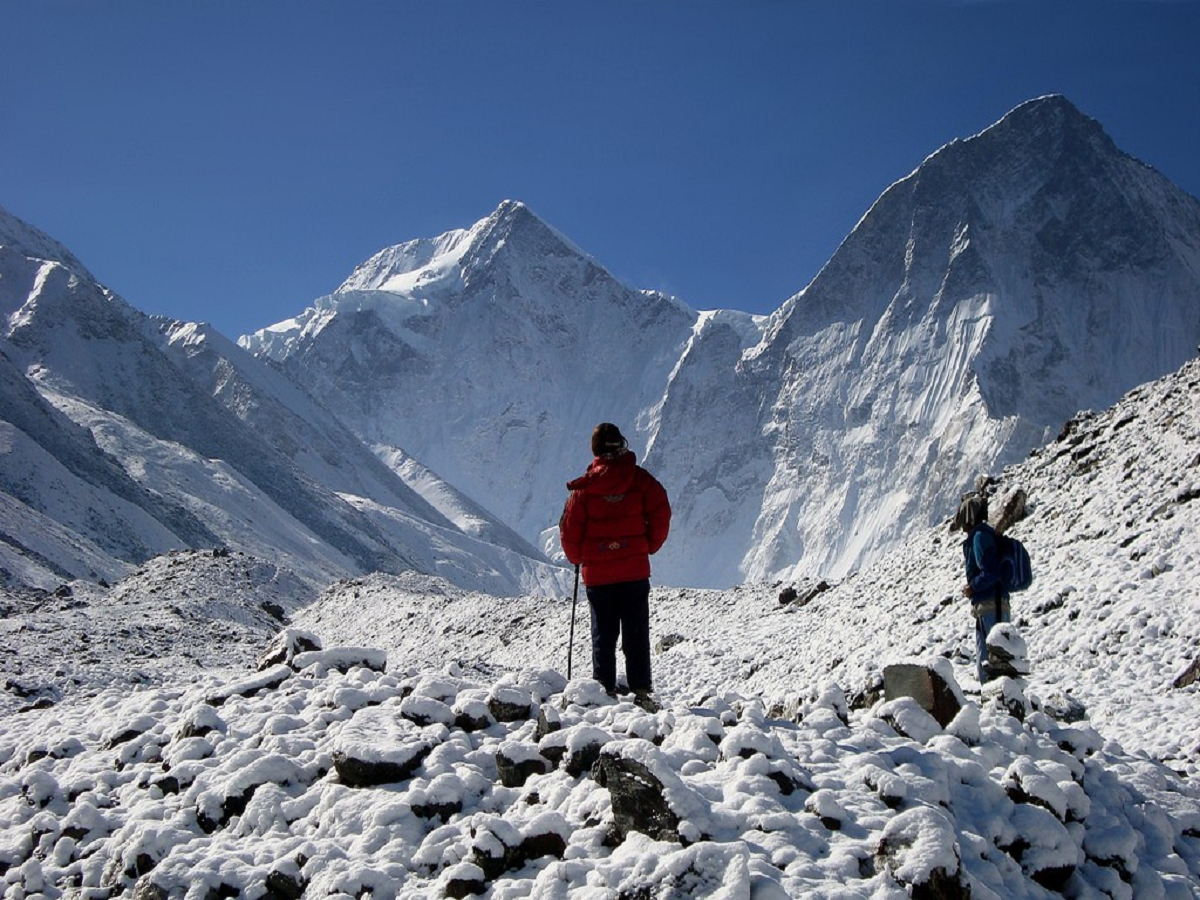
For true adrenaline chasers, trekking is far more than a casual walk through the woods—it is a supreme test of human endurance, mental grit, and survival instincts. From the high-altitude deserts of Ladakh to the sheer vertical faces of Himachal Pradesh and Uttarakhand, India boasts some of the most spectacular mountain vistas on earth.
However, these jaw-dropping landscapes hide extreme danger. On elite routes, the weather can flip from clear sunshine to a blinding blizzard in seconds, oxygen levels plummet to breathless lows, and trails shrink to mere inches over vertical drops. If you are an experienced mountaineer looking to conquer the ultimate wilderness, these five legendary treks represent the absolute pinnacle of danger and reward in the Indian Himalayas.
1. The Chadar Trek (Ladakh): Walking on a Razor-Thin Sheet of Ice
When elite climbers debate India’s most unforgiving routes, the legendary Chadar Trek invariably tops the list. Located in the stark winter wonderland of Ladakh, this trek forces adventurers to march directly on top of the frozen Zanskar River.
-
The Threat Level: Trekkers must endure extreme, bone-chilling temperatures that routinely plunge between minus 25 to minus 30 degrees Celsius. The primary danger is the unstable nature of the trail itself; the ice sheet beneath your feet can shift, crack, or completely dissolve into fast-flowing, sub-zero rapids without warning. One wrong step or a sudden shift in weather can leave teams stranded in one of the most hostile environments on the planet.
2. Kalindi Khal Trek (Uttarakhand): The 19,000-Foot Glacier Highway
Connecting the two holy alpine shrines of Gangotri and Badrinath, the Kalindi Khal Trek is an brutally demanding expedition that should never be attempted by novices.
-
The Threat Level: Reaching a staggering altitude of approximately 19,000 feet, this route demands advanced technical mountaineering skills. Trekkers are forced to navigate massive, crevasse-riddled glaciers, sheer ice walls, and unstable scree slopes. At this altitude, the air is dangerously thin, making acute mountain sickness (AMS) a constant threat, which is only magnified by frequent, violent Himalayan storms.
3. Pin Parvati Trek (Himachal Pradesh): The Slippery Divide
Serving as a high-altitude bridge between the lush, green Parvati Valley and the stark, rain-shadow desert of the Spiti Valley, this trek is as visually stunning as it is treacherous.
-
The Threat Level: The trails here are notoriously narrow, muddy, and exceptionally slippery. Explorers must negotiate massive, fractured ice fields and cross raging, freezing rivers on improvised bridges or raw boulder crossings. The rapid altitude gain tests lung capacity to its absolute limit, requiring immense physical stamina to navigate the tricky terrain safely.
4. Stok Kangri Trek (Ladakh): The Cruel, Wind-Swept Ridge
Though currently heavily restricted to protect the local ecosystem, Stok Kangri remains feared and respected worldwide as a true titan among non-technical mountain climbs.
-
The Threat Level: Pushing the absolute envelope of human endurance, the trek climbs to an astonishing peak of nearly 20,000 feet. At this extreme elevation, the atmosphere holds only a fraction of the oxygen found at sea level. Trekkers must battle ferocious, freezing winds and near-vertical snow slopes, where extreme exhaustion frequently forces teams to turn back just short of the summit.
The Bottom Line: These routes offer unparalleled, life-changing views of the Himalayas, but they demand absolute respect. They are not commercial tourist paths; they are extreme expeditions where nature holds all the cards. If you possess the year of training, the high-end technical gear, and the mental fortitude required to face these peaks, conquering them will earn you the ultimate badge of honor in the global mountaineering community.