eSIM technology is becoming increasingly common in modern smartphones, especially in premium and flagship models. Many phones now allow users to choose between a traditional physical SIM card and an eSIM.
This has led to a common question: Does switching to an eSIM make mobile internet faster?
The simple answer is no. An eSIM does not automatically improve your 4G or 5G internet speed. Your connection speed mainly depends on factors such as your telecom operator, network coverage, signal strength, network congestion and the modem inside your smartphone.
What Is the Difference Between an eSIM and a Physical SIM?
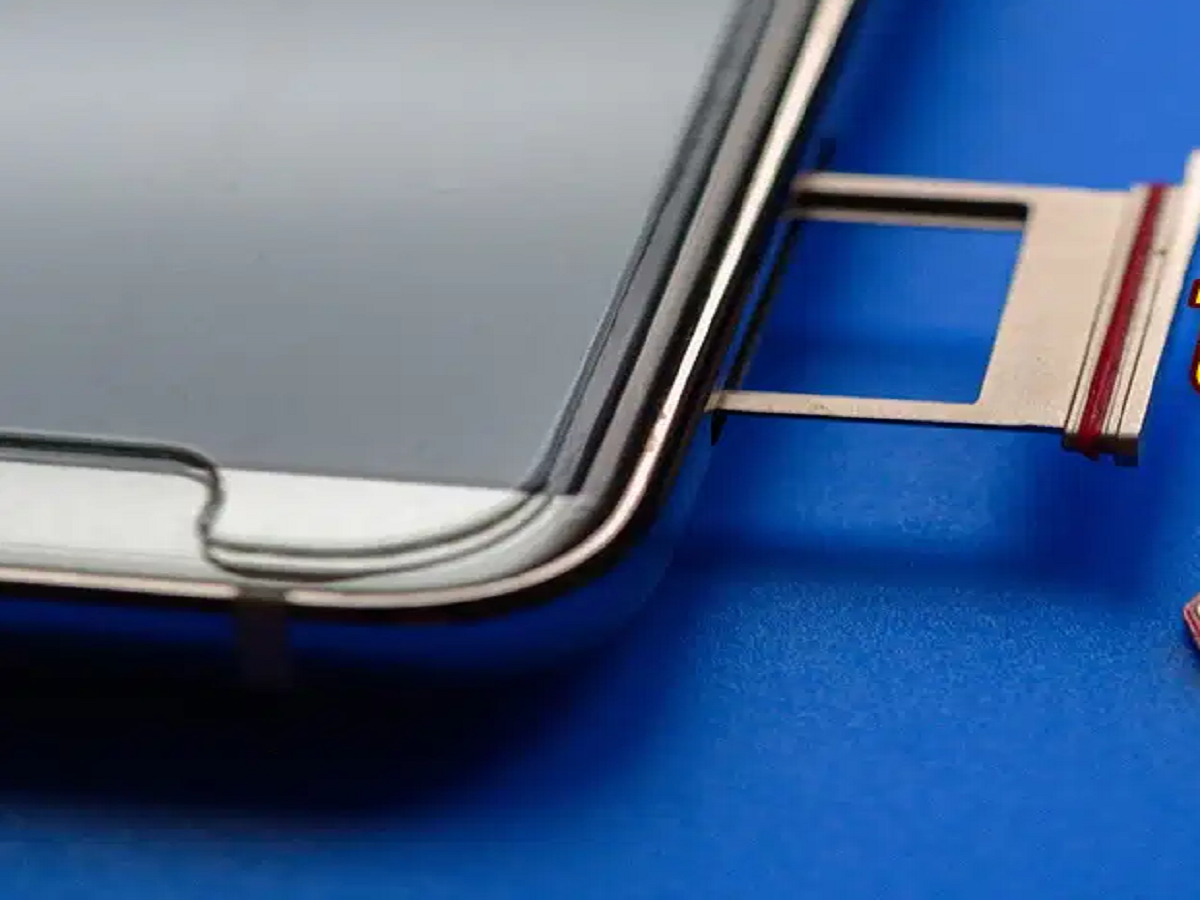
A physical SIM is a small removable card that you insert into your phone's SIM tray. It stores information that allows your device to connect to your mobile network.
An eSIM, or embedded SIM, performs essentially the same function but is built directly into the smartphone. Instead of inserting a plastic card, the mobile connection is activated digitally through the telecom operator.
In simple terms, both technologies connect your phone to the same type of cellular network. The main difference is how the SIM information is stored and activated.
Does an eSIM Increase Internet Speed?
No. Simply switching from a physical SIM to an eSIM does not make your internet faster.
For example, if you use the same smartphone, the same telecom operator and the same network conditions, moving your connection from a physical SIM to an eSIM should not suddenly increase your download or upload speeds.
Your internet performance is influenced by several other factors, including:
-
Network coverage in your area
-
Distance from the mobile tower
-
Network congestion
-
Signal strength
-
Your telecom operator's network
-
Your smartphone's modem and supported network bands
-
Whether you're connected to 4G, 5G or another network technology
So, if your network signal is weak, switching to an eSIM is unlikely to solve the problem.
What Are the Advantages of an eSIM?
Although an eSIM doesn't provide faster internet, it does offer several practical benefits.
The biggest advantage is convenience. Since there is no physical SIM card, users can activate or change a supported mobile connection digitally.
An eSIM can also be particularly useful for frequent travellers. Depending on the phone and operator, you may be able to use another mobile plan without physically replacing your existing SIM card.
Another benefit is that an eSIM cannot simply be removed from a lost phone in the same way as a physical SIM card. This can make it more difficult for someone to disconnect the device from the cellular network by simply taking out the SIM.
However, eSIM features and activation methods vary between smartphones and telecom operators.
What About 5G Speed?
Switching to an eSIM does not automatically make 5G faster either.
Both physical SIMs and eSIMs can support 4G and 5G connections when the smartphone, SIM profile and telecom operator support the required network technology.
If your 5G connection is slow, the reason could be network congestion, poor coverage, signal strength, your phone's modem capabilities or other network-related factors.
eSIM or Physical SIM: Which Should You Choose?
If your smartphone and telecom operator support eSIM, choosing between the two usually comes down to convenience rather than speed.
A physical SIM may be preferable if you frequently move your SIM between different phones. An eSIM, meanwhile, can be more convenient if you want digital activation, use multiple mobile plans or travel frequently.
The key takeaway is simple: eSIM is about convenience, not faster internet. Switching from a physical SIM to an eSIM won't magically improve your 4G or 5G speeds if the underlying network conditions remain the same.