TECH
Elon Musk’s Big SpaceX Announcement: Could 7.3 Crore American Children Become Shareholders by 2027?
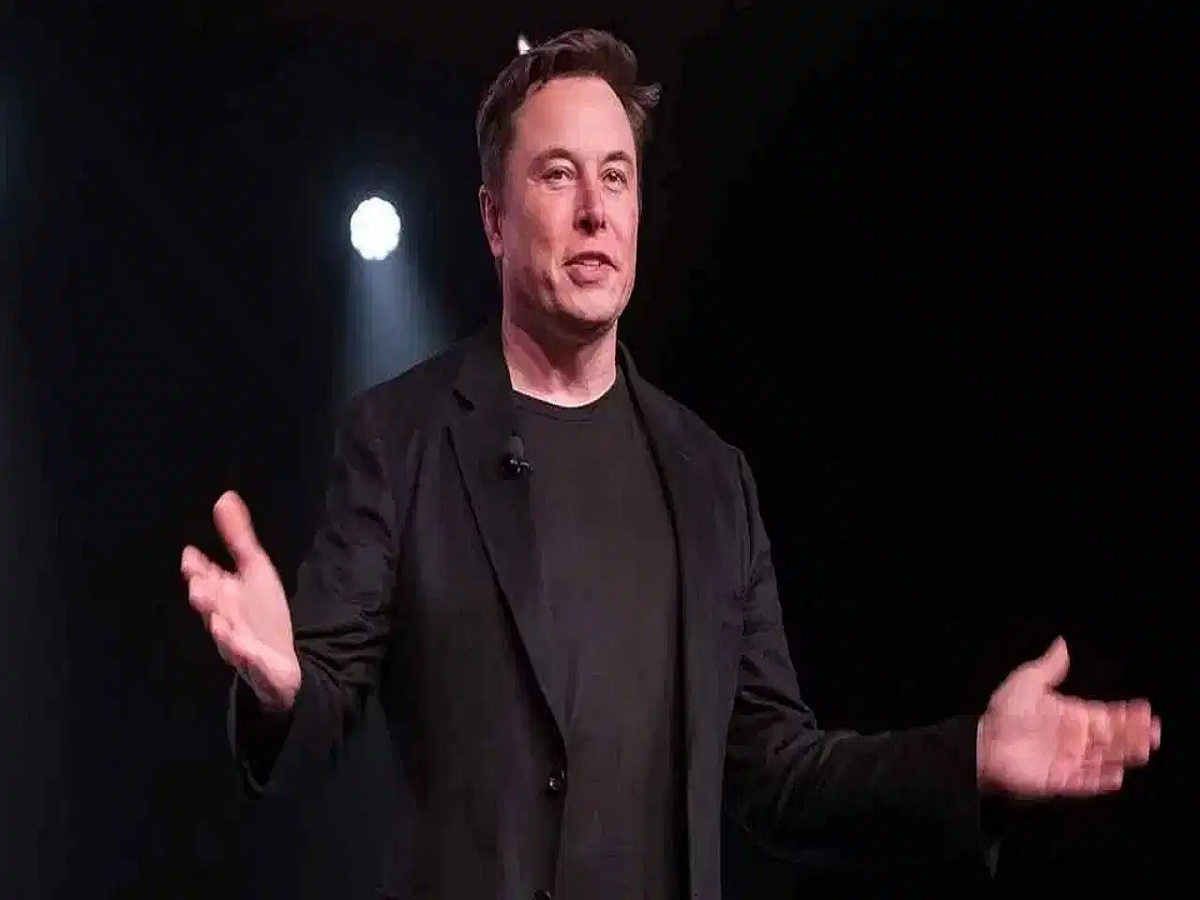
Imagine millions of children becoming investors in one of the world's most ambitious space companies before they even reach adulthood. That is the idea behind a claim attributed to billionaire entrepreneur Elon Musk, who reportedly announced plans to give every child in America a share in SpaceX by 2027.
The reported proposal has attracted attention because SpaceX is a privately held company known for its rockets, satellite internet service Starlink, and ambitious space exploration plans. However, important details about the proposed distribution remain unclear, including eligibility, the value of each share, and how the programme would operate.
Here is what the reported announcement could mean and the major questions surrounding the plan.
1. What Is Elon Musk Reportedly Planning?
According to the report, Elon Musk announced on X that he intended to distribute SpaceX shares to children across the United States in 2027.
If the proposal covered approximately 73 million children, it would involve an exceptionally large number of potential shareholders.
The reported announcement has been described as the beginning of a multi-phase distribution. However, the exact implementation process, eligibility criteria, and legal arrangements have not been clearly established in the information available here.
It is therefore important to distinguish between a reported announcement and a fully developed programme. Until official documentation is available, the proposal should not be treated as a confirmed entitlement for every American child.
2. Could the Shares Be Worth $10.5 Billion?
The report estimates that distributing one share to each of approximately 73 million children could represent a total value of around $10.5 billion.
However, this figure is an estimate rather than a confirmed valuation of the proposed programme.
The actual value would depend on several factors, including the price assigned to each share, the company's valuation at the time of distribution, and the precise rights attached to the shares.
There is also an important distinction between owning a share and receiving cash. A share represents an ownership interest in a company; it does not automatically provide money that can be spent immediately.
Any future value would depend on SpaceX's financial performance, its valuation, and the terms governing the shares.
3. Why Is Distributing SpaceX Shares So Complicated?
Unlike publicly traded companies whose shares can generally be bought and sold through stock exchanges, SpaceX is privately held.
That distinction creates several practical challenges for a distribution involving millions of children.
Eligibility and registration: The programme would need to establish which children qualify, how their identities would be verified, and whether eligibility depends on citizenship, residency, age, or another criterion.
Ownership by minors: Children generally cannot manage financial assets in the same way as adults. Depending on the legal arrangement, a parent, guardian, custodian, or trust might need to oversee the investment.
Shareholder rights: SpaceX would need to determine the type of shares being distributed and the rights attached to them. Private-company shares can carry restrictions on transfers and sales.
Taxes and administration: The distribution could raise questions about tax treatment, reporting requirements, and the administrative cost of maintaining millions of investment accounts.
Until these details are clarified, it is impossible to determine how the reported proposal would work in practice.
4. How Could Children Benefit From Such a Programme?
If a programme of this kind were formally established, it could introduce children to the concept of investing at an early age.
Holding company shares can help families understand ownership, business growth, risk, and the difference between an asset's current value and its future potential.
However, investing in a single private company also involves risk. A company's valuation can rise or fall, and privately held shares may be difficult to sell. Any educational or financial benefit would depend on the terms of the programme and the company's long-term performance.
The proposed distribution should therefore not be interpreted as a guarantee that every child would become wealthy.
5. What Is the Connection With Trump's Accounts Plan?
The report also refers to US President Donald Trump's Trump Accounts initiative, which is designed to help establish investment accounts for eligible American children.
According to the report, Trump praised Musk's reported proposal, describing private-sector investment in children's futures as a positive development.
However, the two concepts should not automatically be treated as the same programme. A government-supported investment account and a private company's distribution of its own shares would involve different legal structures, eligibility requirements, and administrative arrangements.
Any formal connection between the two would need to be established through official announcements and programme documentation.
The Bottom Line
The reported SpaceX share proposal has generated considerable interest because of its scale and the company's global profile. If implemented, a distribution involving millions of children would raise important questions about ownership, investment education, legal compliance, and the administration of private-company shares.
For now, the most important details remain unconfirmed. Families should wait for an official announcement from Musk or SpaceX outlining the eligibility rules, distribution mechanism, and terms before assuming that children will receive shares in 2027.