BUSINESS
Electronics Components Manufacturing Scheme: Government’s Big Push to Make More Electronic Parts in India
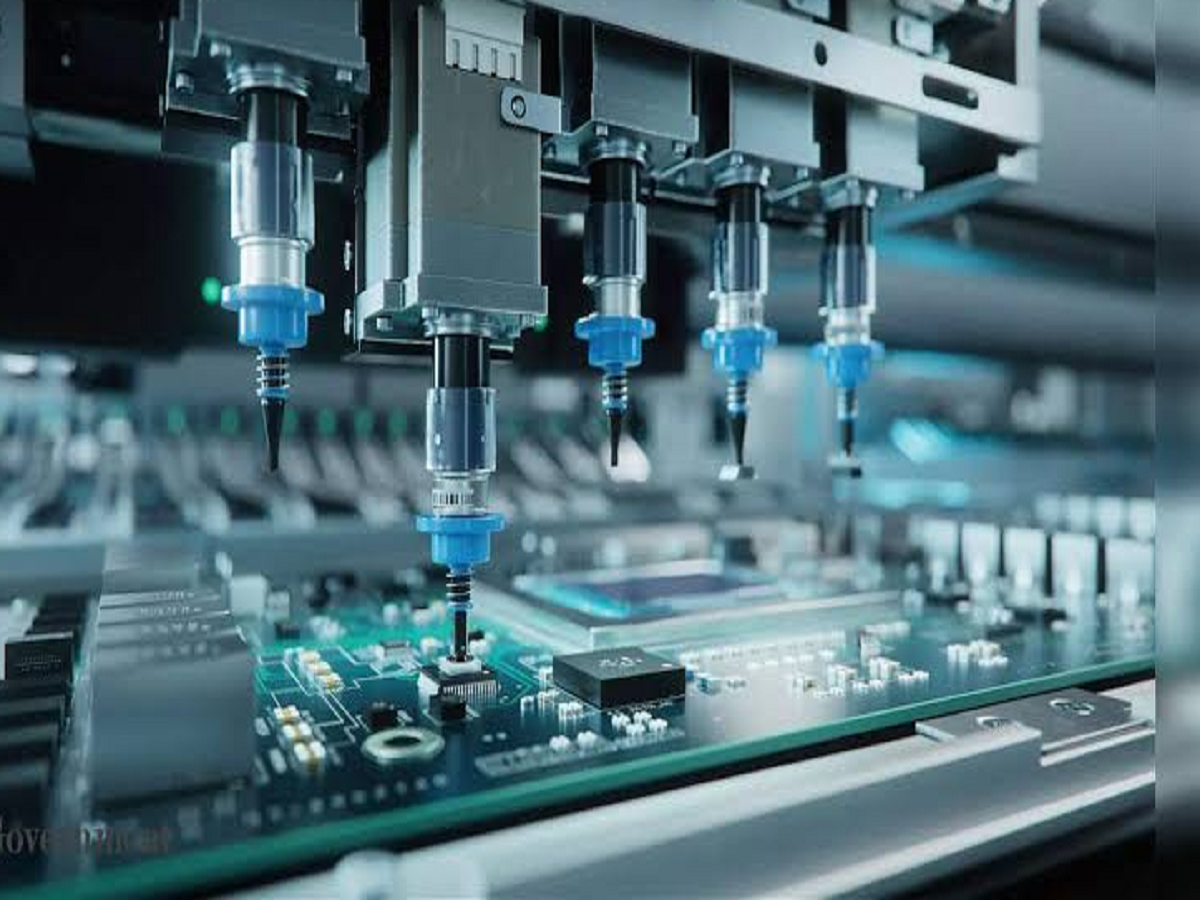
India is making a major push to expand domestic electronics manufacturing and reduce dependence on imported components. The government’s Electronics Components Manufacturing Scheme (ECMS) is aimed at building a stronger supply chain for electronic components and encouraging companies to manufacture more products within the country.
The initiative is part of the government’s broader strategy to develop India as a global electronics manufacturing hub and strengthen the domestic semiconductor ecosystem.
What is the Electronics Components Manufacturing Scheme?
The Electronics Components Manufacturing Scheme has been introduced to encourage investment in the production of key electronic components in India.
Electronic devices such as smartphones, computers, automobiles, telecom equipment and consumer electronics require a wide range of components. Increasing domestic production of these parts can help strengthen the overall electronics manufacturing ecosystem.
The scheme is therefore focused not only on assembling finished products but also on developing the component-level manufacturing capacity required to support the industry.
Why is the government focusing on electronic components?
India has become a major electronics manufacturing centre, particularly in areas such as smartphone production. However, a large electronics ecosystem requires a reliable domestic supply of components and materials.
By encouraging component manufacturing within India, the government aims to create a deeper supply chain and reduce vulnerabilities arising from excessive dependence on overseas sources.
A stronger domestic component ecosystem can also help Indian manufacturers become more competitive globally.
Which sectors can benefit?
The scheme is relevant to several technology-intensive industries.
Electronic components are used in:
-
Smartphones and other mobile devices
-
Computers and laptops
-
Telecom equipment
-
Automotive electronics
-
Consumer electronics
-
Industrial electronics
-
Semiconductor-related products
-
Other advanced electronic systems
As domestic component production expands, companies across these sectors could potentially gain access to a stronger local supply chain.
How can the scheme help create jobs?
Large electronics manufacturing projects require workers across multiple stages of the production process.
Expansion of component manufacturing can therefore create employment not only in factories but also in areas such as engineering, testing, quality control, logistics, maintenance and supply-chain management.
The development of manufacturing clusters can also create opportunities for smaller suppliers and ancillary businesses.
A step beyond smartphone assembly
India's electronics success story has been closely associated with the growth of smartphone manufacturing and assembly.
However, assembling a finished product is only one part of a sophisticated electronics supply chain.
The government’s focus on components is intended to deepen manufacturing capabilities within India, allowing more stages of production to take place domestically.
This could help create a more integrated electronics ecosystem rather than one primarily focused on final assembly.
Link with India's semiconductor ambitions
The components initiative is also connected to India's larger effort to establish a semiconductor and advanced electronics ecosystem.
The government has been supporting semiconductor manufacturing, design, packaging and related infrastructure as part of its technology strategy.
A domestic component ecosystem can complement these efforts by providing manufacturers with access to a wider network of suppliers and supporting industries.
What does this mean for ordinary consumers?
Consumers are unlikely to see an immediate change in the prices of smartphones, laptops or other electronic products simply because of the scheme.
The impact is expected to develop over time as manufacturing capacity increases and supply chains become more established.
In the longer term, greater domestic production could potentially improve supply-chain resilience and strengthen India's position in global electronics manufacturing.
What could change for India?
A successful component manufacturing ecosystem could have effects beyond individual factories.
It could encourage more global companies to establish manufacturing operations in India, create opportunities for domestic suppliers and increase the country's participation in higher-value segments of the electronics industry.
It may also support exports and encourage investment in research, engineering and advanced manufacturing.
India’s electronics manufacturing push
The Electronics Components Manufacturing Scheme represents a shift towards building deeper capabilities across India's electronics value chain.
Rather than focusing only on finished electronic products, the government is seeking to strengthen the underlying component ecosystem as well.
If the initiative succeeds in attracting investment and developing competitive domestic suppliers, it could become an important part of India's broader ambition to establish itself as a major global electronics and semiconductor manufacturing destination.