BUSINESS
Electricity Bill Could Drop to Zero! Government’s Solar Scheme Offers Subsidies of Up to ₹78,000 — Check Eligibility and How to Apply
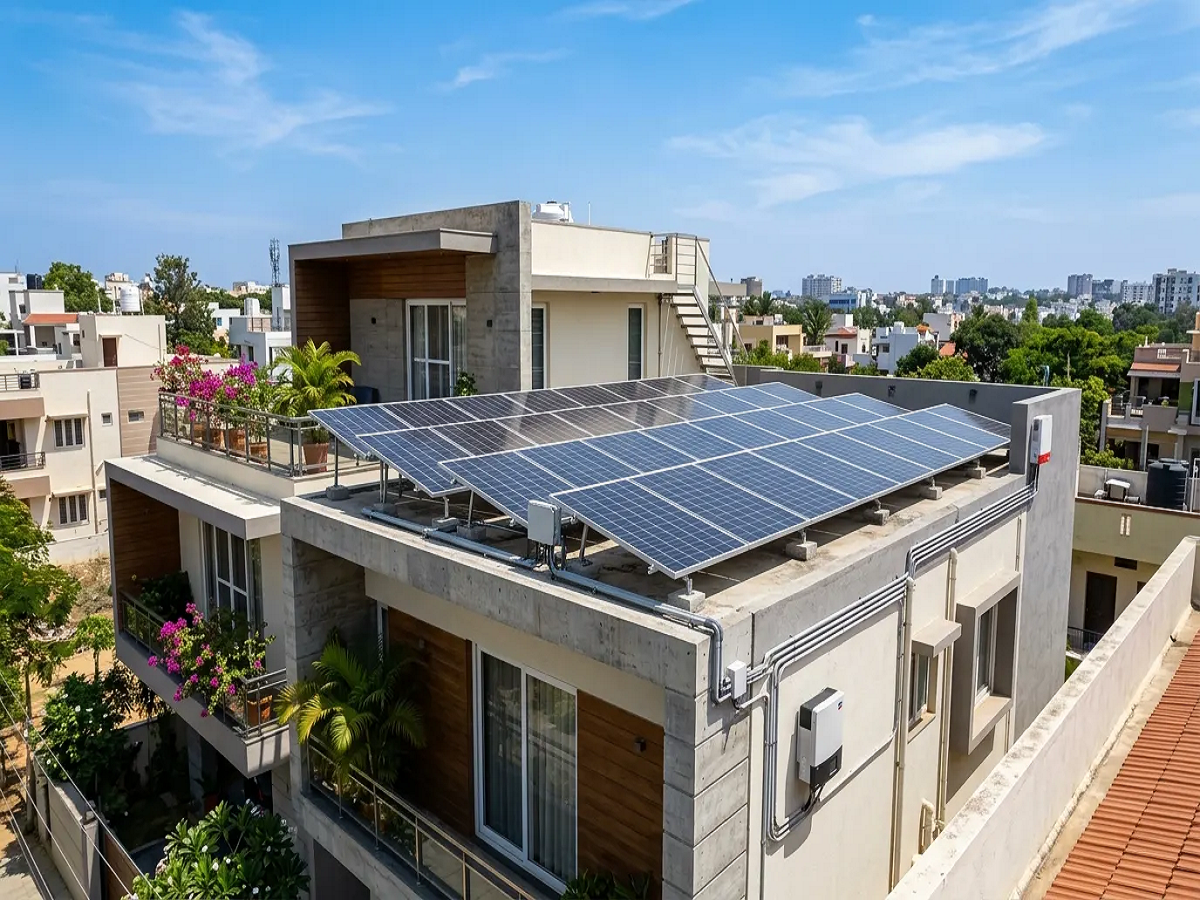
Paying a hefty electricity bill every month can put pressure on household budgets, especially during the summer when air conditioners, coolers and fans run for longer hours. But what if your rooftop could help you generate your own electricity and reduce your dependence on the power grid?
The central government’s PM Surya Ghar: Muft Bijli Yojana aims to make rooftop solar power more affordable for households across India. Under the scheme, eligible residential consumers can receive a subsidy of up to ₹78,000 for installing rooftop solar panels.
The government has set a target of covering one crore households under the programme. However, the subsidy does not mean that every household automatically receives 300 units of free electricity. The actual savings depend on the solar system installed, electricity consumption, sunlight availability and the applicable billing arrangements.
What Is PM Surya Ghar: Muft Bijli Yojana?
PM Surya Ghar: Muft Bijli Yojana is a central government initiative launched in February 2024 to encourage households to install rooftop solar systems.
The scheme has a total approved outlay of ₹75,021 crore and is designed to help residential consumers generate electricity using solar panels installed on their rooftops.
A properly sized solar system can reduce the amount of electricity a household needs to purchase from its distribution company. Depending on generation and consumption, some households may substantially reduce their electricity bills.
How Much Solar Subsidy Can You Get?
The central financial assistance depends on the installed solar capacity and the applicable benchmark cost.
| Rooftop solar system | Central subsidy |
|---|---|
| 1 kW | ₹30,000 |
| 2 kW | ₹60,000 |
| 3 kW or higher | ₹78,000 |
Under the scheme, the central subsidy is generally calculated at 60% of the benchmark cost for the first 2 kW and 40% of the benchmark cost for the additional capacity between 2 kW and 3 kW. The subsidy is capped at 3 kW for eligible residential systems.
For example, a household installing a qualifying 3 kW system may receive ₹78,000 in central assistance. The household must pay the remaining installation cost, unless it qualifies for other applicable support or financing arrangements.
Who Is Eligible for the Solar Subsidy?
Households generally need to meet the following conditions to qualify:
-
The applicant must be an Indian citizen.
-
The household must have a valid residential electricity connection.
-
The rooftop must be suitable for installing solar panels.
-
The applicant must not have already received a subsidy for the same solar installation.
-
The installation must follow the scheme’s technical requirements and use an eligible vendor.
The scheme is intended for residential electricity consumers. Commercial and industrial connections do not qualify for the same residential subsidy.
Before making a purchase, applicants should confirm their eligibility and the applicable requirements through the official scheme portal.
How to Apply for PM Surya Ghar Online
The application process is designed to be completed through the official National Portal.
Step 1: Visit the official website
Go to https://pmsuryaghar.gov.in and register as a residential consumer.
Step 2: Enter your electricity details
Select your state and electricity distribution company, and provide the consumer account details requested by the portal.
Step 3: Submit the rooftop solar application
Enter the required information about your electricity connection and proposed solar installation. Wait for the necessary approval or feasibility confirmation.
Step 4: Choose an eligible vendor
After the required approval, select a registered vendor through the portal and discuss the system capacity, equipment, installation cost and warranty.
Step 5: Complete installation and inspection
Once the system is installed, the required inspection, metering and commissioning procedures must be completed according to the scheme’s rules.
Step 6: Apply for the subsidy
Submit the required bank account details and documents through the portal. The subsidy is transferred directly to the eligible beneficiary after the prescribed verification process.
Applicants should keep their electricity consumer details, bank information and any required identification documents ready.
Does the Scheme Really Provide 300 Units of Free Electricity?
The scheme aims to help households receive up to 300 units of electricity free of cost through rooftop solar generation, but the outcome varies from household to household.
A solar installation generates electricity during daylight hours. The amount generated depends on factors such as system capacity, roof orientation, shading, weather and seasonal sunlight.
For example, a household with a suitable 3 kW system may generate enough electricity to cover a substantial portion of its monthly consumption. However, if the household uses more electricity than the system generates, it may still receive a bill.
Electricity consumed from the grid, fixed charges and other applicable billing components can also affect the final amount payable. Consumers should check their local distribution company's net-metering and billing rules before estimating their savings.
Can You Install Solar Panels If You Cannot Pay the Full Cost Upfront?
Households that cannot afford the entire installation cost upfront may explore eligible financing options.
The government scheme has been designed to work alongside financing arrangements offered by participating lenders. Loan availability, interest rates, repayment periods and eligibility depend on the lender's terms.
Before taking a loan, compare the total installation cost, the subsidy amount, monthly repayments and the expected reduction in electricity expenses. The subsidy should not be treated as an automatic waiver of the entire loan.
Is Rooftop Solar Worth It for Your Home?
The financial benefit depends on how much electricity you use and how suitable your roof is for solar installation.
Homes with substantial daytime electricity consumption may be able to use a greater share of the electricity they generate. Households with shaded roofs or low electricity consumption may experience different savings.
Before proceeding, ask the vendor for a written quotation that clearly separates equipment, installation, metering and other charges. Check the vendor's registration, warranty terms and after-sales support, and avoid making payments based solely on promises of guaranteed zero bills.
Final Takeaway
PM Surya Ghar: Muft Bijli Yojana offers eligible residential households a way to reduce electricity expenses while adopting cleaner energy. With central subsidies of up to ₹78,000 for qualifying installations, rooftop solar can become more affordable for many families.
However, the actual benefit depends on eligibility, installation quality, electricity consumption and local billing rules. The safest first step is to register through the official government portal, check the requirements and compare quotations from eligible vendors before committing to an installation.