AUTO
E-Rickshaws May Soon Face Stricter Safety Rules: Government Plans Bharat NCAP-Style Testing to Prevent Accidents
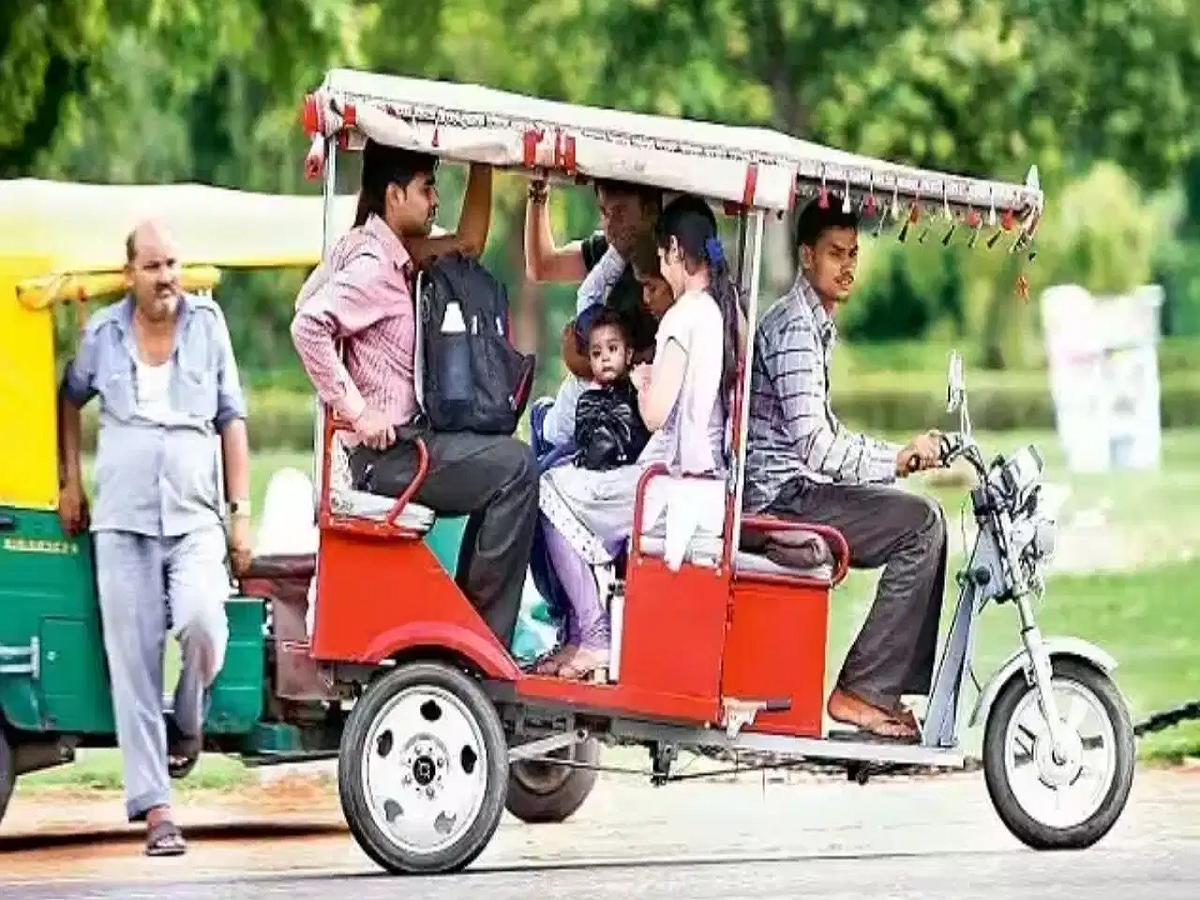
E-rickshaws have become an important part of India's urban transportation system, providing affordable and convenient mobility for millions of people. However, the rapid growth of these vehicles has also raised concerns about road safety, vehicle quality and passenger protection.
Now, the central government is considering stricter safety standards for e-rickshaws to address these concerns. Union Road Transport and Highways Minister Nitin Gadkari has announced plans to develop a safety assessment framework similar to the Bharat New Car Assessment Program (Bharat NCAP), which evaluates the crash safety of passenger cars.
The proposed initiative aims to improve vehicle durability, strengthen passenger safety and prevent unsafe vehicles from entering the market.
Why Is the Government Planning New E-Rickshaw Safety Rules?
Speaking at the Bharatiya Yuva Shakti Trust JRD Tata Awards 2026, Nitin Gadkari expressed concern over India's growing road accident numbers.
He highlighted that approximately 5 lakh road accidents occur in the country every year, resulting in nearly 1.8 lakh deaths.
According to the minister, improving vehicle safety is essential to reducing road fatalities. E-rickshaws are particularly important in this discussion because they frequently operate in crowded urban areas and carry multiple passengers.
The government is therefore working towards developing standards that can assess the structural strength, durability and safety performance of these vehicles.
What Is Bharat NCAP and How Does It Work?
The Bharat New Car Assessment Program (Bharat NCAP) was introduced in India in 2023 to evaluate the crash safety of passenger vehicles.
Under this programme, eligible cars undergo controlled crash tests to assess how effectively they protect occupants during accidents.
Vehicles are awarded safety ratings ranging from one to five stars, based on their performance against prescribed assessment criteria.
The system evaluates important safety aspects, including:
-
Adult occupant protection.
-
Child occupant protection.
-
Performance in different crash-test conditions.
-
Availability of relevant safety technologies.
A similar assessment approach for e-rickshaws could help establish clearer safety benchmarks for manufacturers and improve consumer awareness about vehicle quality.
However, the proposed e-rickshaw framework would need testing standards specifically designed for these smaller vehicles rather than simply copying passenger-car crash tests.
How Could New Safety Standards Affect E-Rickshaw Owners and Manufacturers?
If the government introduces the proposed framework, it could bring several changes to the e-rickshaw industry.
1. Better Vehicle Quality: Manufacturers may need to pay greater attention to vehicle construction, structural strength and overall durability.
2. Improved Passenger Protection: Safety assessments could encourage the development of stronger vehicle structures and better passenger protection systems.
3. Greater Accountability for Manufacturers: Standardised testing could make it easier to identify vehicles that fail to meet prescribed safety requirements.
4. Better Consumer Awareness: Buyers could have more reliable information about the safety performance of different e-rickshaw models before making a purchase.
5. Reduced Risk of Unsafe Vehicles: If supported by effective regulations and enforcement, the framework could help discourage the sale of vehicles that do not meet minimum safety standards.
The actual impact will depend on the final regulations, testing procedures and implementation timeline.
Government's Ambition: Make India the World's Number One Automobile Hub
Apart from discussing e-rickshaw safety, Nitin Gadkari also outlined the government's broader ambitions for India's automobile industry.
He stated that the government aims to make India the world's largest automobile manufacturing hub within the next five years.
According to the minister, the Indian automobile industry's value has increased from approximately ₹14 lakh crore when he took charge of the ministry to nearly ₹22 lakh crore.
He also highlighted the industry's position compared with other major automobile markets.
As per the figures shared by him, the US automobile industry is valued at approximately ₹78 lakh crore, while China's industry is worth around ₹47 lakh crore. India currently occupies the third position.
Achieving the top position will require continued investment in manufacturing, technological innovation, electric mobility and infrastructure.
What Does This Mean for India's Electric Mobility Sector?
E-rickshaws play an important role in India's last-mile connectivity, particularly for short-distance journeys between residential areas, metro stations, railway stations and commercial centres.
However, the growth of electric mobility must be accompanied by adequate safety standards and regulatory oversight.
Stronger vehicle testing requirements could encourage manufacturers to improve product quality while helping consumers make more informed decisions.
At the same time, affordable manufacturing, battery safety, proper maintenance and enforcement of existing traffic regulations will remain important for the sector.
Final Takeaway
The government's proposed Bharat NCAP-style safety assessment for e-rickshaws could become an important development for India's electric mobility industry.
With e-rickshaws increasingly becoming a part of everyday transportation, improving their structural strength, durability and passenger safety is essential.
If implemented effectively, the proposed framework could improve manufacturing standards, increase consumer confidence and contribute to safer roads across the country.