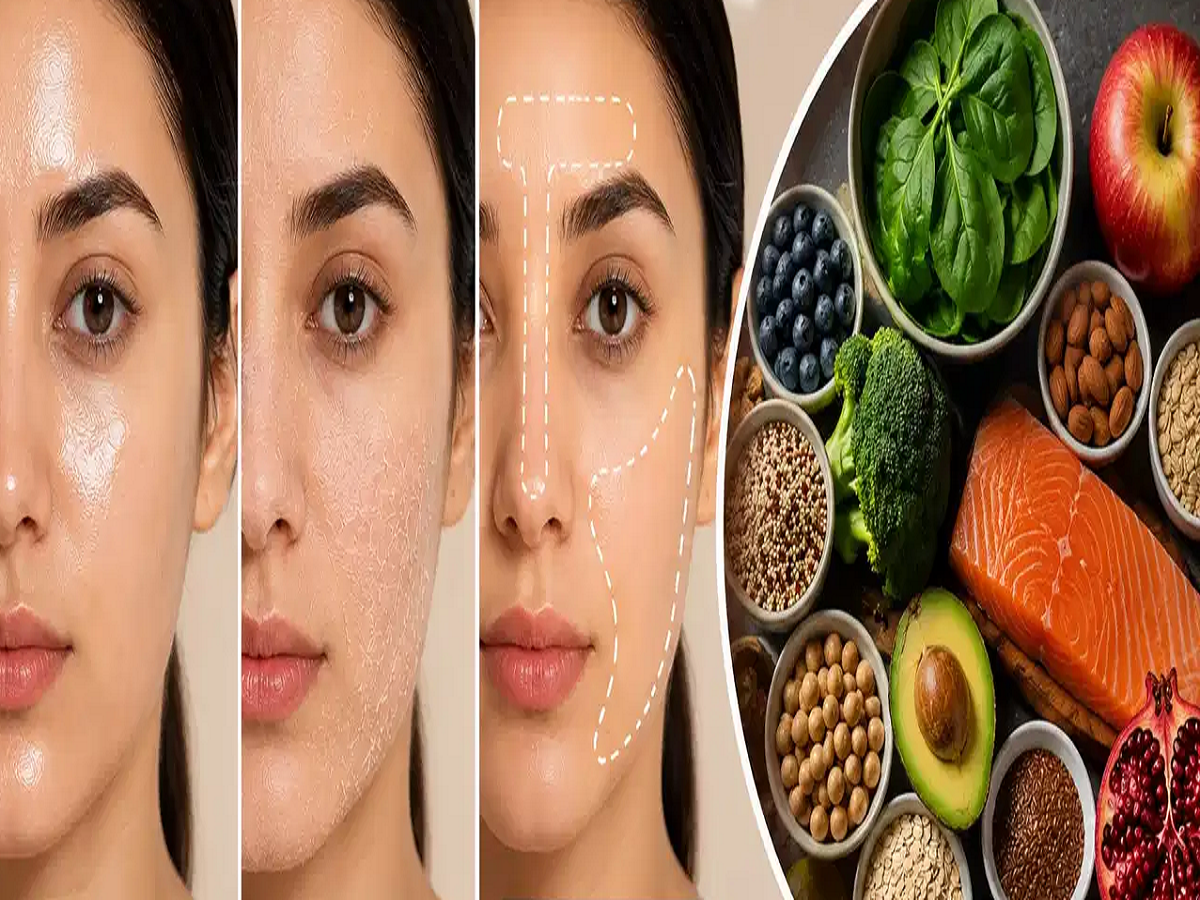
Healthy skin isn't just about expensive creams, serums and skincare routines. What you eat can also play a role in supporting your skin's overall health. However, since everyone's skin is different, the foods that work well for one person may not necessarily suit another.
Dry skin may benefit from a diet rich in fluids and healthy fats, while people with oily or acne-prone skin may want to pay closer attention to highly processed, sugary and fried foods. A balanced diet containing essential vitamins, minerals, healthy fats and adequate fluids can support healthy skin from within.
Here's a look at foods you can include based on your skin type.
Dry skin: Focus on hydration and healthy fats
If your skin frequently feels tight, rough or flaky, staying hydrated and including healthy fats in your diet can be helpful.
Foods such as watermelon, avocado, olive oil and fatty fish like salmon can be included in your meals. Watermelon contributes to fluid intake, while avocado, olive oil and fish provide healthy fats.
Vegetables such as spinach, broccoli and sweet potatoes can also be part of a balanced diet because they provide important vitamins and other nutrients that support normal skin function.
Oily skin: Choose balanced, less processed foods
People with oily skin may want to limit foods that are heavily fried, highly processed or loaded with added sugar.
Healthy-fat sources such as avocado, olives, flaxseeds and fish can be included in a balanced diet. Whole grains such as whole wheat and protein sources such as chicken can also be part of regular meals.
Rather than completely avoiding fats, focus on getting them from nutritious sources and maintaining an overall balanced diet.
Combination skin: Maintain a balanced approach
Combination skin can have both oily and dry areas, so there's no need to follow an extremely restrictive diet.
A combination of vegetables, fruits, whole grains, healthy fats and good protein sources can help provide a variety of nutrients. Brown rice and other minimally processed whole grains can also be included as part of a balanced meal.
The key is to maintain overall dietary balance rather than focusing on a single food or nutrient.
Acne-prone skin: Include nutrient-rich foods
If you frequently experience acne, make fruits and vegetables a regular part of your diet. Pulses, nuts and seeds can also provide protein, healthy fats, vitamins and minerals.
It may also be useful to observe whether certain foods appear to trigger or worsen your breakouts. However, acne has multiple possible causes, and diet alone cannot explain or treat every case.
Foods worth limiting for healthier skin
Regardless of your skin type, a balanced diet is generally more important than following a strict "skin-type diet."
Try to limit excessive intake of:
-
Sugary foods and drinks
-
Deep-fried foods
-
Highly processed packaged foods
-
Excessively refined carbohydrates
Drinking enough fluids throughout the day is also important, particularly if you tend to have dry skin.
Smoking and excessive alcohol consumption can also negatively affect overall health and may affect skin health.
Don't rely on diet alone
Food can support healthy skin, but it isn't a substitute for proper skincare or medical treatment. Persistent acne, severe dryness, unexplained irritation, rashes or other skin problems should be evaluated by a dermatologist.
Instead of eliminating entire food groups based solely on your skin type, focus on a varied and nutritious diet. Good hydration, adequate sleep, regular physical activity and appropriate skincare can all work together to support healthier-looking skin.