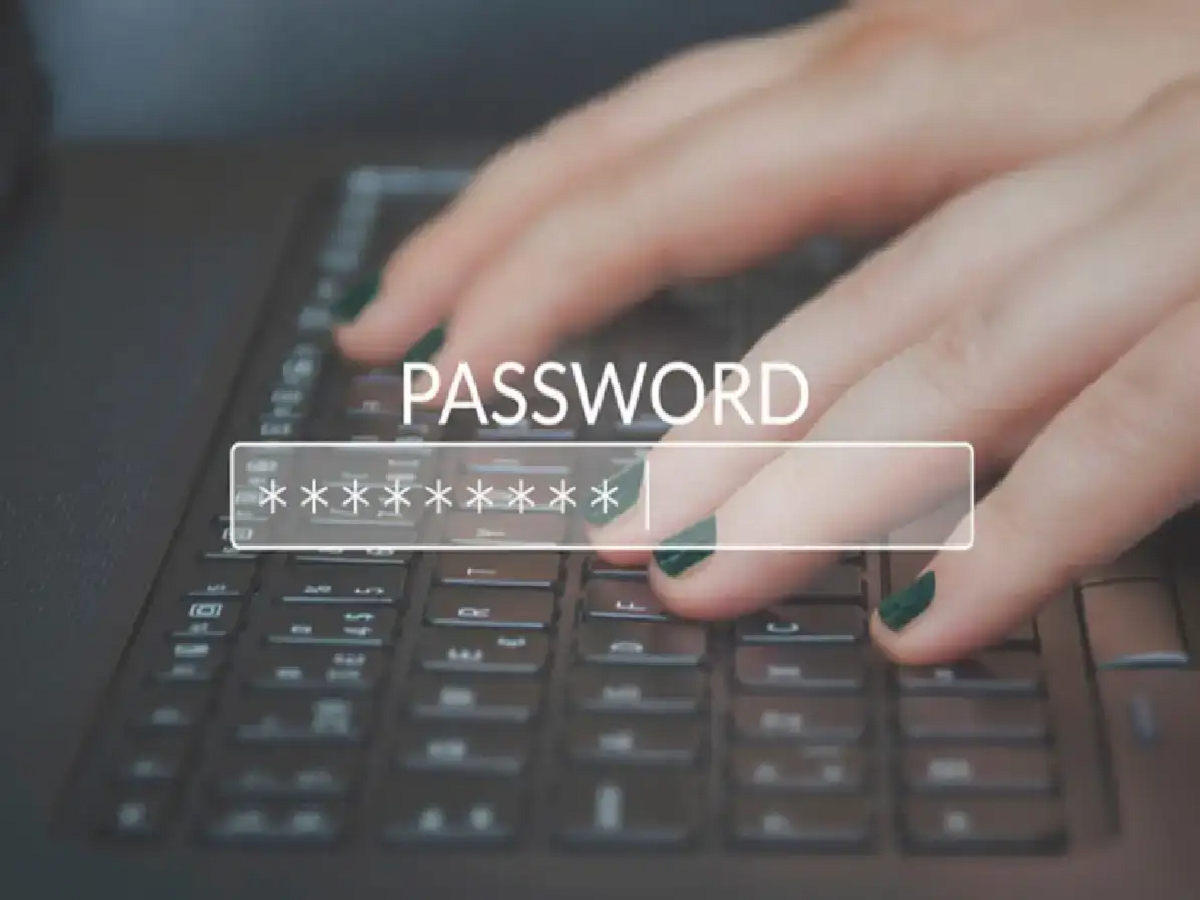
In today's digital age, nearly every online service we offer—email, social media, banking, and shopping—is password-protected. If your password is weak, hackers can easily access your accounts. Therefore, it's crucial to create a strong and secure password.
First, choose a password that's at least 12 to 16 characters long. Use a mix of uppercase and lowercase letters (A-Z, a-z), numbers (0-9), and special characters (@, #, $, %, &). For example, a long, complex password is more secure than a short, guessable password like R@vi2026!
Never use your name, date of birth, mobile number, or common words like 123456, password, and qwerty in your password. Such information is easy for cybercriminals to guess.
Keep different passwords for every website and app. If one account's password is leaked, the rest will remain secure. If remembering multiple passwords is difficult, use a reliable password manager that stores your passwords securely.
Wherever possible, be sure to enable two-factor authentication (2FA). This provides an additional layer of security beyond a password, such as verification via an OTP or authenticator app.
Change the passwords for your important accounts periodically, especially if you become aware of a data breach. Also, don't share your passwords with anyone, and always log out after logging in to a public or shared computer.
A strong password is your first and most important shield against digital security. A little caution can go a long way in protecting your online accounts and personal information from cyber threats.
PC: Rochak Khabre