Leftover food is a common part of everyday life, and many people store it in the refrigerator to enjoy later. However, simply placing food in the fridge isn't enough. Improper storage can cause food to spoil quickly, encourage bacterial growth, and affect both its taste and quality. Knowing the right way to store leftovers can help keep them fresh and safe to eat.
Store Leftovers the Right Way
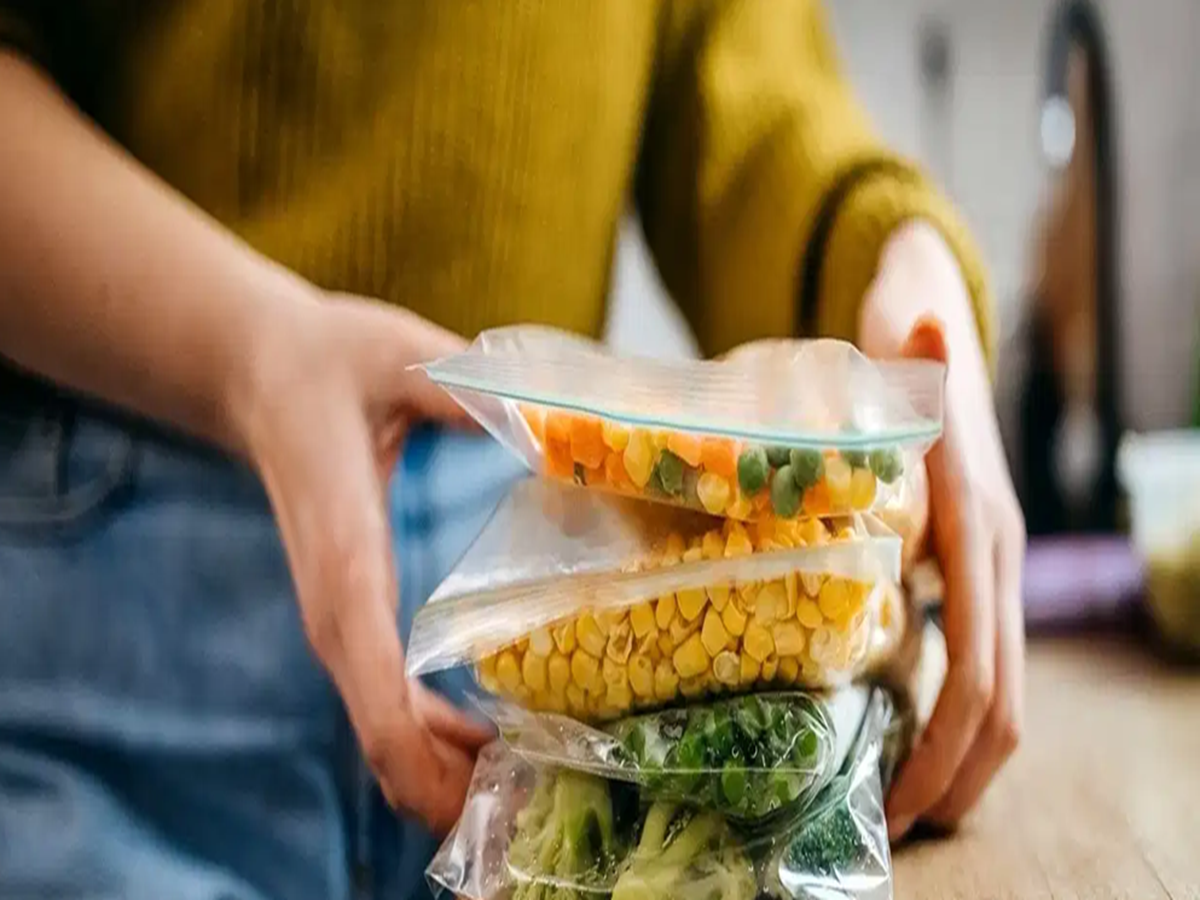
Always allow cooked food to cool completely before transferring it to a clean, airtight container. Refrigerate leftovers within two hours of cooking to minimize the risk of bacterial growth. Store different dishes in separate containers and label them with the storage date so you know how long they've been refrigerated.
Maintain the refrigerator at the recommended cool temperature and avoid overloading it, as proper airflow helps keep food fresh. Before eating leftovers, reheat them thoroughly. In most cases, properly stored cooked food remains safe to eat for up to two to three days.
Common Food Storage Mistakes to Avoid
Never place piping hot food directly into the refrigerator, as it can raise the fridge's internal temperature. Avoid storing food uncovered or in unclean containers, as this increases the chances of contamination.
Repeatedly taking food out of the fridge and putting it back, or reheating the same dish multiple times, can reduce both its quality and safety. Overcrowding the refrigerator also restricts cold air circulation, making it easier for food to spoil.
Signs Your Leftover Food Should Be Thrown Away
Do not consume leftover food if it develops a sour or unusual smell, changes color, grows mold, or has an unusual taste or texture. Even if refrigerated, food stored for too long may no longer be safe to eat despite appearing normal.
When in doubt, it's always safer to discard spoiled leftovers than risk food poisoning. Proper storage and timely consumption are the best ways to enjoy leftovers safely while reducing food waste.