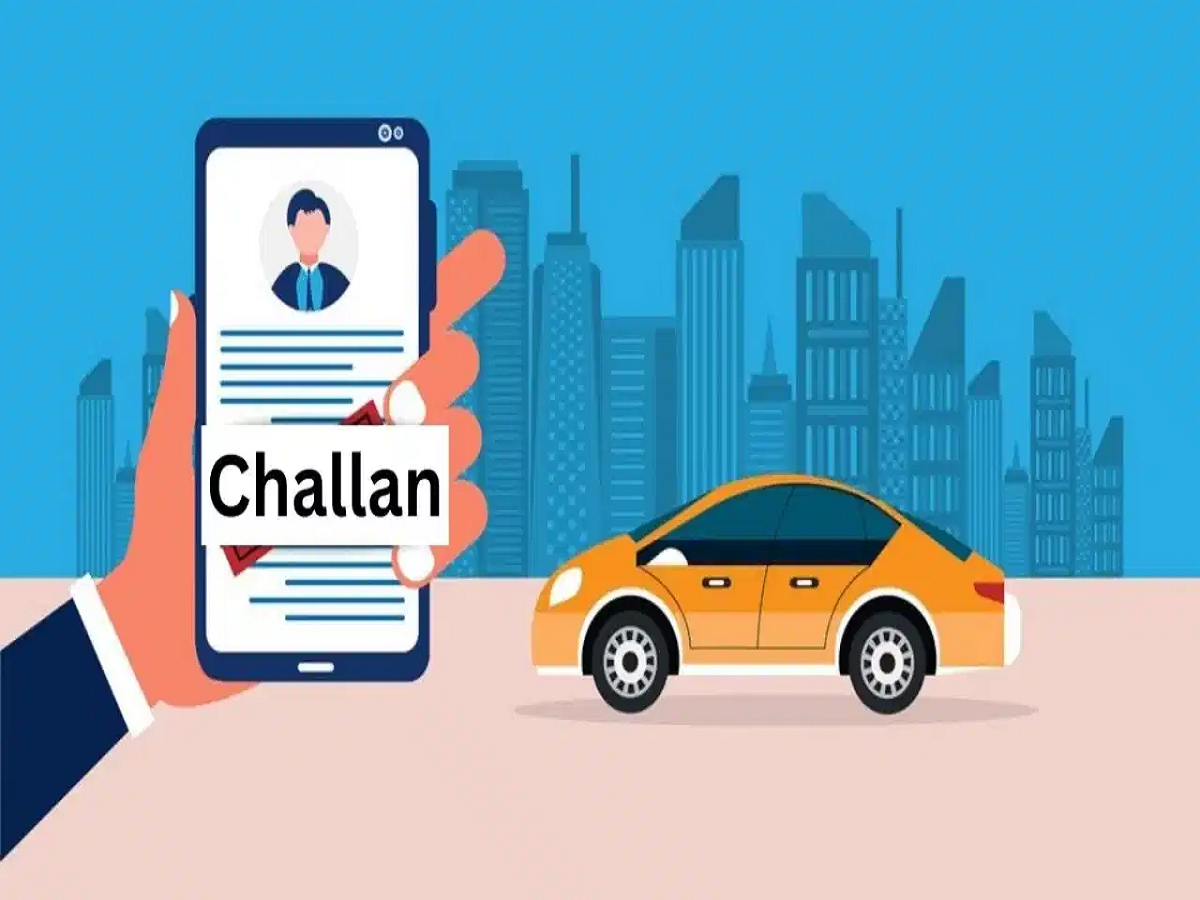
In an era where digital convenience is the norm, scammers are preying on our natural fear of legal trouble. One of their most insidious tactics involves sending fraudulent SMS messages claiming you have a "pending traffic challan." These messages are designed to trigger panic, leading you to click a link and pay a "small" fine.
Warning: That small payment is the bait. Once you enter your card details and submit that OTP, you’ve handed the keys to your bank account to cybercriminals.
ICICI Bank has officially alerted users to this growing threat, emphasizing that legitimate traffic challans are only issued through authorized government portals.
The Real Cost of a "Convenient" Click
Clicking those malicious links doesn't just put your money at risk; it opens the door to:
-
Identity Theft: Your personal information and card details are harvested.
-
Unauthorized Access: Fraudsters gain the ability to perform debit transactions without your permission.
-
Device Compromise: Malicious software or malware can be secretly installed on your phone, giving scammers long-term access to your data.
5 Essential Rules to Stay Scam-Proof
To protect yourself from these digital traps, keep these five golden rules in mind:
-
Never Click Blindly: If you receive a text about a traffic violation, do not click the link provided in the message.
-
Ignore the Pressure: Scammers use urgent deadlines and threats of "legal action" to cloud your judgment. Stay calm and remember that government agencies do not operate through threatening SMS links.
-
Verify, Don't Trust: If you suspect you might actually have a fine, manually search for and visit the official government traffic website to verify your vehicle’s status.
-
Guard Your Data: Your OTP, CVV, and card credentials are for your eyes only. Never share them, no matter how "official" the request sounds.
-
Ditch the Suspicious: Delete any SMS that demands payment or includes strange, shortened links.
What to Do If You've Been Targeted
If you fall victim to a scam or receive a suspicious communication, take action immediately:
-
File a Report: If you've been defrauded, report it right away at [suspicious link removed] or call the national cybercrime helpline at 1930.
-
Report Suspicious Links: Help stop the scammers in their tracks by reporting any suspicious SMS, email, or call to the Department of Telecommunications via the Sanchar Saathi portal.