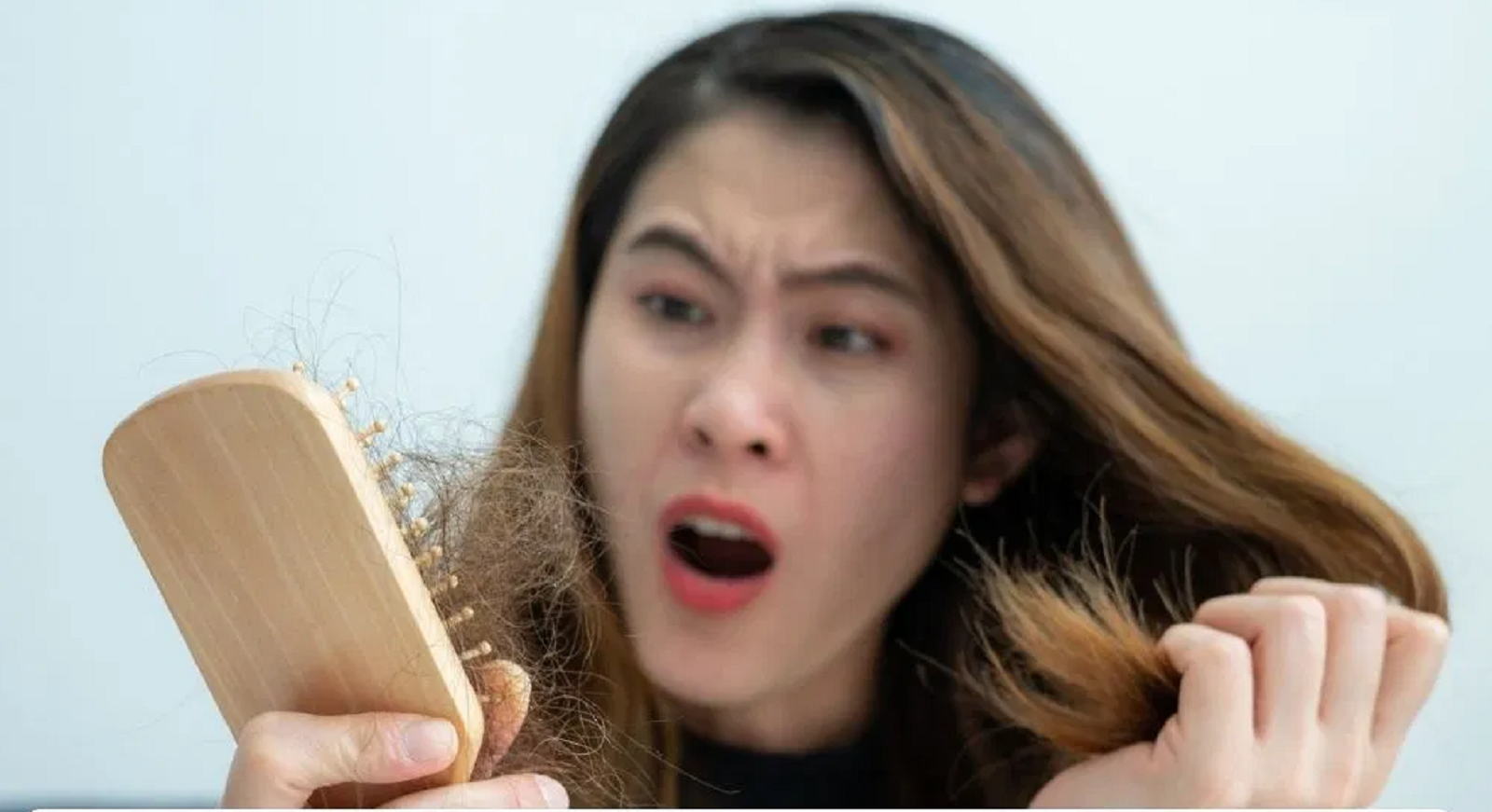
Winter is harsh not just on your skin but also on your hair. As temperatures drop, problems like roughness, dryness, and hair fall tend to increase. People try home remedies and expensive products, but unless you know why your hair is falling, you can’t fix it.
Hair fall is common in both men and women, and while pollution and poor diet contribute to it, winter brings its own set of triggers. Here are the major reasons your hair fall increases during the colder months.
-
Dry scalp
Winter winds strip away moisture from your skin — and your scalp is no exception. When your scalp becomes dry, dandruff appears, and dandruff is one of the biggest reasons behind increased hair fall. A flaky scalp weakens hair roots and accelerates shedding. -
Excessive oiling
Many people apply too much oil in winter thinking it will reduce dryness. But over-oiling can make dandruff stickier and harder to remove. This not only makes hair greasy but also clogs pores and leads to breakage.
Tip: Oil your hair 1 hour before shampooing — not overnight. -
Friction from warm clothes
Winter clothes like woolen caps, scarves, and blankets cause friction against your hair. This constant rubbing leads to tangling, breakage, and roughness.
Tip: Wear a soft cotton or satin-lined cap, and sleep with a silk/satin cap to reduce friction. -
Vitamin D deficiency
One of the most overlooked causes of winter hair fall is lack of sunlight. Shorter days and cold weather reduce sun exposure, leading to vitamin D deficiency — a major factor contributing to hair thinning and excessive shedding.
If your hair falls aggressively in winter, consider getting your vitamin D levels tested.