LIFESTYLE
Does the chapati become hard as soon as it's made? Does it not puff up? Avoid these mistakes when kneading the dough
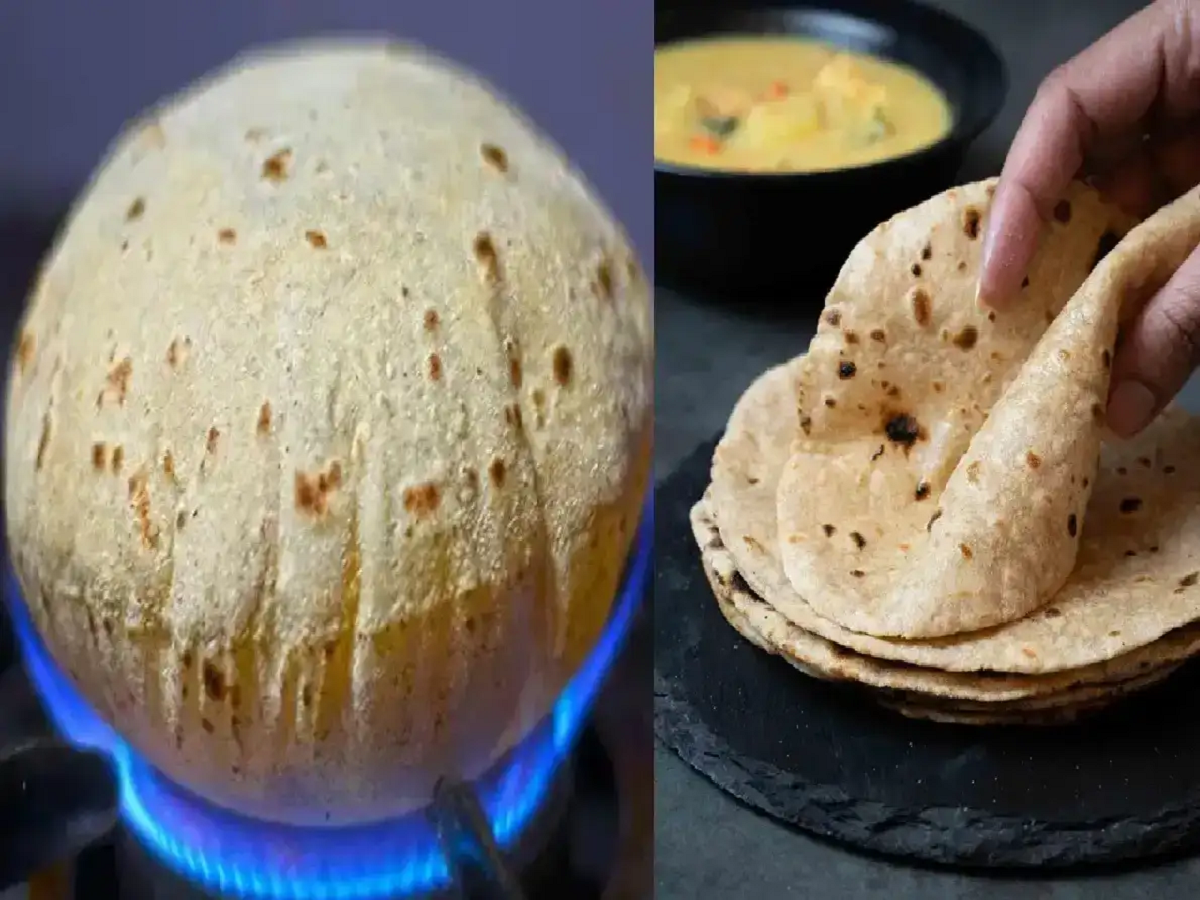
Chapatis hold a special place in Indian cuisine. They are made from wheat flour. In many homes, a meal is considered incomplete without chapatis. Some people enjoy warm, soft chapatis. However, sometimes, when they are made, they don't rise and become very hard by the time they are ready to eat.
There are different ways to make chapatis. Even if you make them every day, you're likely to make some mistakes while kneading the dough. This can cause the chapatis to become dry or hard and not rise properly. If your chapatis aren't rising properly, try the simple tips below. If you want soft, round chapatis, keep these things in mind when kneading the dough…
The secret to kneading dough for soft chapatis
Knead the dough thoroughly for at least 8 to 10 minutes. This allows the gluten to develop properly and the chapatis to turn out soft.
Avoid using cold water when kneading the dough. If possible, use lukewarm water. This makes the dough soft and pliable.
Don't roll out the chapatis immediately after kneading the dough. Cover the dough and let it rest for at least 15-20 minutes.
- While kneading the dough, you can also add some milk so that the dough becomes softer.
What to do when rolling and baking
When rolling out the chapatis, be sure to roll them gently. Don't overcrowd the edges, or they won't bake properly.
Before baking the chapatis, heat the pan thoroughly. Only then add the chapatis.
Don't set the heat too high. Bake on medium heat so the chapatis are well baked and puffed up.
If you keep these simple tips in mind, your chapatis will be soft, fluffy, and delicious. So, keep all the above points in mind when making chapatis.
PC: Rochak Khabre