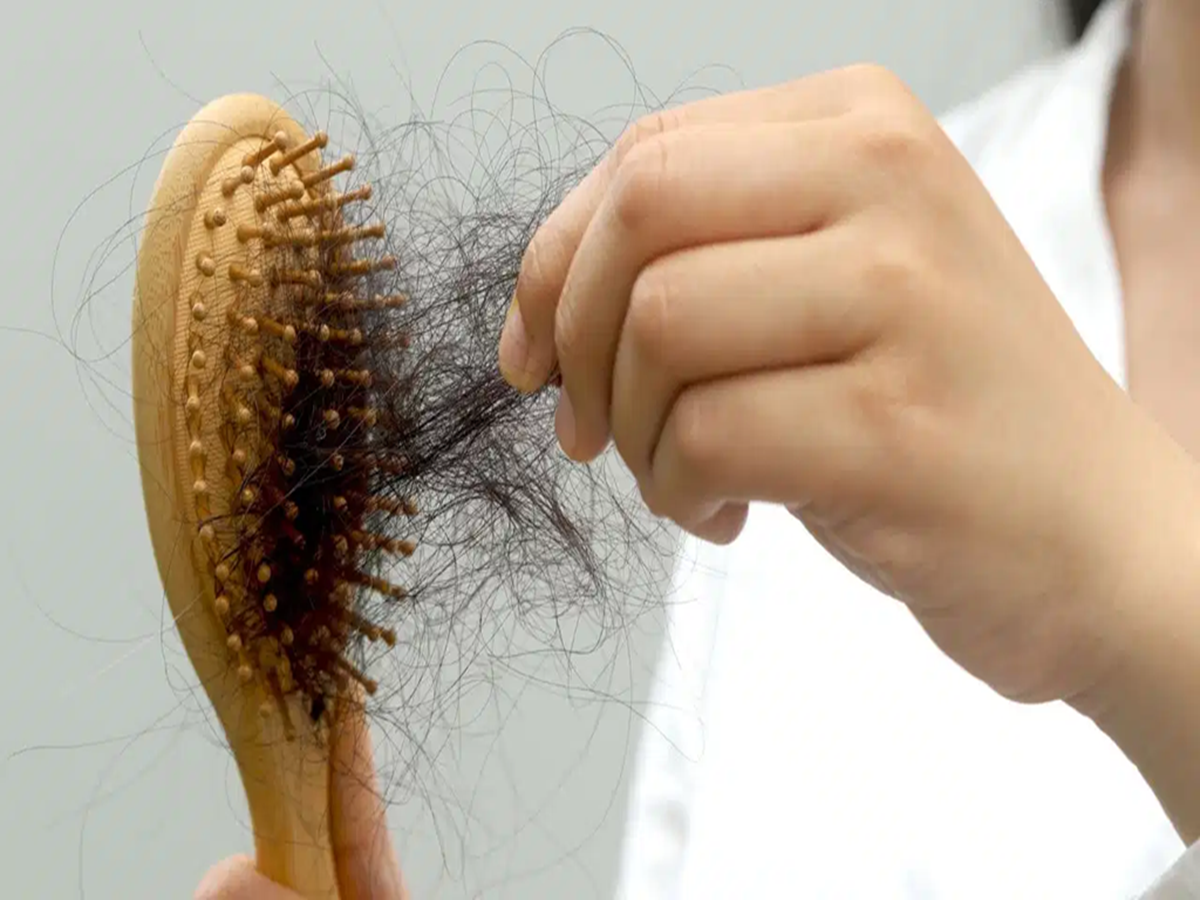
Hair loss is a common concern affecting people of all ages. While shedding a small amount of hair every day is normal, excessive hair fall can be alarming. Stress, hormonal changes, genetics, medical conditions, and nutritional deficiencies are among the many factors that can contribute to hair loss. One nutrient that often comes under discussion is protein. But can a lack of protein really cause your hair to fall out? Here's what science says.
Hair is primarily made up of keratin, a structural protein that gives it strength and flexibility. Since protein is the main building block of hair, your body requires an adequate supply through your diet to support healthy hair growth. If your protein intake remains consistently low over an extended period, the body prioritizes protein for essential organs and vital functions, leaving less available for hair production. As a result, some people may experience increased hair shedding or slower hair growth.
However, protein deficiency is only one of many possible causes of hair loss. Iron deficiency, thyroid disorders, hormonal imbalances, severe stress, certain medications, rapid weight loss, autoimmune conditions, and genetic factors can all contribute to excessive hair fall. That's why it's important not to assume that protein is the only issue if you're noticing thinning hair.
In addition to hair loss, protein deficiency may cause several other symptoms. These can include muscle weakness, persistent fatigue, swelling in the hands or feet, slow wound healing, frequent infections, brittle nails, and dry skin. While these signs may indicate inadequate protein intake, they can also be linked to other health conditions. If the symptoms persist, it's advisable to seek medical evaluation rather than self-diagnosing.
The good news is that meeting your daily protein needs is achievable through a balanced diet. Excellent protein sources include lentils, chickpeas, kidney beans, soy products, paneer, milk, yogurt, eggs, fish, chicken, lean meat, nuts, and seeds. Including a protein-rich food with every meal can help maintain muscle health while also supporting healthy hair growth. Vegetarians can combine pulses, dairy products, soy, and whole grains to obtain sufficient protein throughout the day.
It's equally important to remember that healthy hair depends on more than just protein. Nutrients such as iron, zinc, vitamin D, vitamin B12, biotin, omega-3 fatty acids, and other essential vitamins and minerals also play important roles in maintaining strong, healthy hair. A well-balanced diet that includes a variety of nutrient-rich foods is generally more beneficial than focusing on a single nutrient.
You should consider consulting a doctor if your hair has been falling excessively for several weeks or months, if you notice bald patches or rapidly thinning areas, or if hair loss is accompanied by symptoms such as fatigue, unexplained weight loss, weakness, or changes in your skin and nails. A healthcare professional may recommend blood tests to check for nutritional deficiencies, thyroid function, or other underlying medical conditions.
In most cases, identifying the root cause of hair loss early makes treatment more effective. Whether the issue is related to nutrition, hormones, or another medical condition, timely diagnosis and appropriate treatment can help reduce hair shedding and support healthier hair growth over time.