LIFESTYLE
Diwali Special Recipe: Make Chef Ranveer Brar's Spicy Suran Ki Sabzi at Home – A Traditional Dish Packed With Flavour!
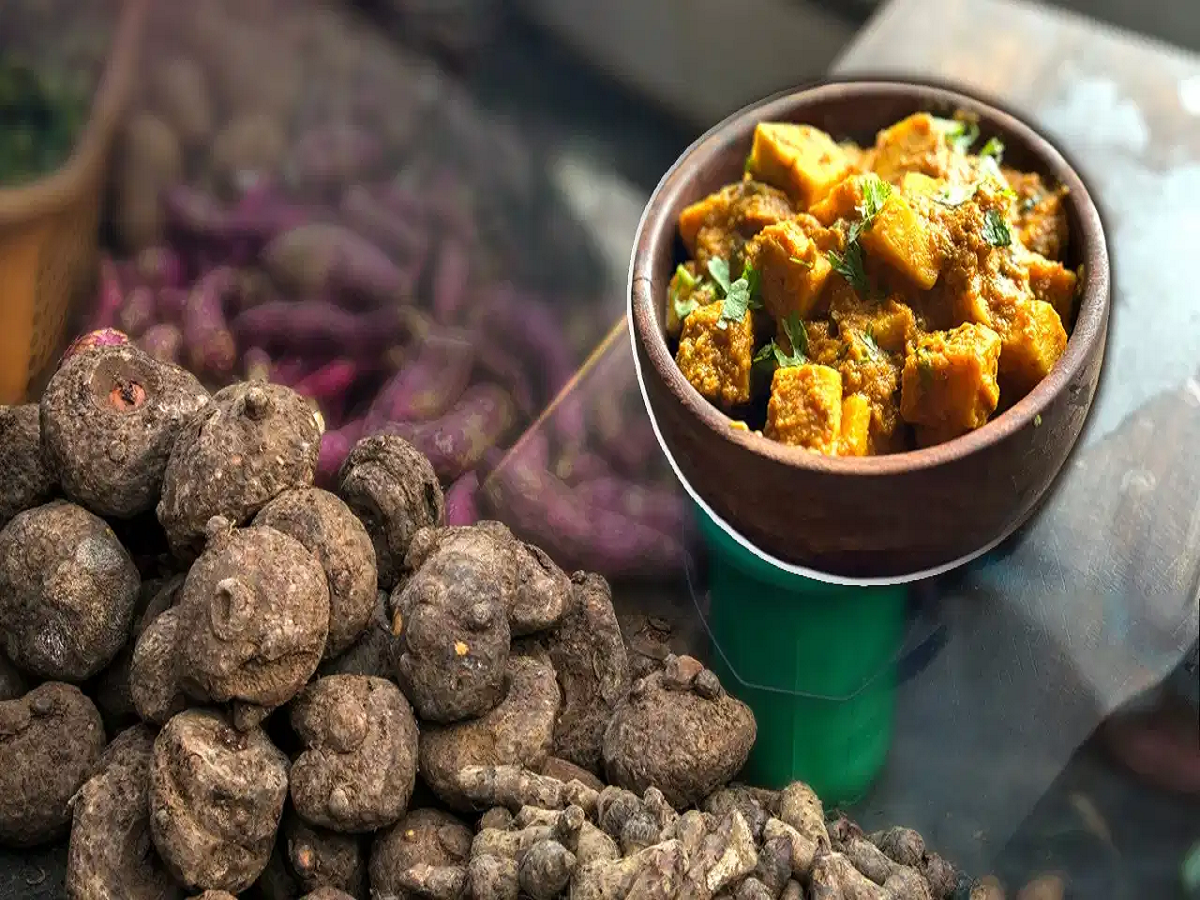
Diwali is not just about lights, sweets and decorations; traditional food also plays an important role in the celebrations. One such special dish prepared in several households, particularly in Uttar Pradesh and Bihar, is Suran Ki Sabzi, also known as Jimikand or elephant foot yam. It is traditionally considered auspicious and is often prepared during Lakshmi Puja.
Although suran is packed with nutrients, its slightly unusual texture and taste mean that not everyone enjoys eating it. However, the right combination of spices can transform this humble vegetable into a delicious festive delicacy.
If you are planning to prepare something traditional and different this Diwali, Chef Ranveer Brar's spicy Suran Ki Sabzi recipe is worth trying. The addition of green peas, aromatic spices and curd gives the dish a rich flavour that can make even those who dislike yam ask for another serving.
Ingredients Required for Suran Ki Sabzi
For the main preparation:
-
500 grams suran (elephant foot yam)
-
Mustard oil for frying
For the masala and tempering:
-
2 tablespoons mustard oil
-
5–6 black peppercorns
-
2 green cardamoms
-
1–2 cloves
-
1 teaspoon cumin seeds
-
2 green chillies, finely chopped
-
1-inch piece of ginger, chopped
-
½ teaspoon turmeric powder
-
1 teaspoon Deggi red chilli powder
-
1 teaspoon coriander powder
-
¼ teaspoon asafoetida (hing)
-
1 cup curd
-
Salt as per taste
-
Water as required
-
½ cup fresh or frozen green peas
-
2 tablespoons chopped coriander leaves
-
Juice of half a lemon
Step-by-Step Method to Prepare Suran Ki Sabzi
Step 1: Prepare the yam
Wash the suran thoroughly, peel its skin and cut it into medium-sized, evenly shaped pieces. Since yam can cause itching or irritation while handling, wear gloves if needed. You can also apply a little oil to your hands before cutting it.
Step 2: Fry the yam pieces
Heat mustard oil in a pan and add the chopped yam pieces. Fry them over medium heat until they turn golden brown. Remove the pieces and place them on absorbent paper to remove excess oil.
Step 3: Prepare the aromatic tempering
In the same pan, remove excess oil if necessary and add mustard oil. Add black peppercorns, green cardamom, cloves and cumin seeds. Allow the spices to release their aroma.
Step 4: Add ginger, chillies and powdered spices
Add chopped ginger and green chillies to the tempering and sauté for a few seconds. Next, add turmeric powder, Deggi red chilli powder, coriander powder and asafoetida. Mix everything properly.
Step 5: Prepare the curd-based gravy
Add curd gradually while stirring continuously to prevent it from splitting. Cook the masala until it thickens and the oil begins to separate.
Step 6: Cook the fried yam
Add the fried yam pieces along with salt and the required amount of water. Mix everything thoroughly so that the masala coats the pieces evenly. Cover the pan and cook for around 5–10 minutes, or until the yam becomes tender.
Step 7: Add green peas and finish the preparation
Add green peas, chopped coriander leaves and lemon juice. Mix well and allow the sabzi to cook for a few more minutes until all the flavours come together.
Garnish with fresh coriander leaves and serve hot.
Important Tips to Make Suran Ki Sabzi More Delicious
-
Always wear gloves or apply a little oil to your hands while peeling and cutting yam to reduce skin irritation.
-
Frying the yam before adding it to the gravy helps improve its texture and flavour.
-
Add curd gradually and stir continuously to achieve a smooth gravy.
-
Make sure the yam is completely cooked before serving, as undercooked yam can cause irritation.
-
Adjust the green chillies and red chilli powder according to your preferred spice level.
Enjoy a Traditional Diwali Delicacy With Your Family
Suran Ki Sabzi is a wonderful way to bring traditional flavours back to your festive menu. Its combination of crispy yam, rich curd-based gravy, green peas and aromatic spices makes it a delicious accompaniment to puri, paratha or rice.
This Diwali, give this traditional recipe a try and add something special to your Lakshmi Puja meal. You might just discover a new family favourite!