India is home to countless hidden destinations whose beauty and uniqueness remain largely unexplored. While most travelers associate natural beauty with rivers, mountains, waterfalls, and lakes, the intense summer heat in the plains often pushes people toward popular hill stations like Shimla, Mussoorie, and Kashmir. However, beyond these crowded spots lies Turtuk—a serene and lesser-known village that promises a truly unforgettable experience.
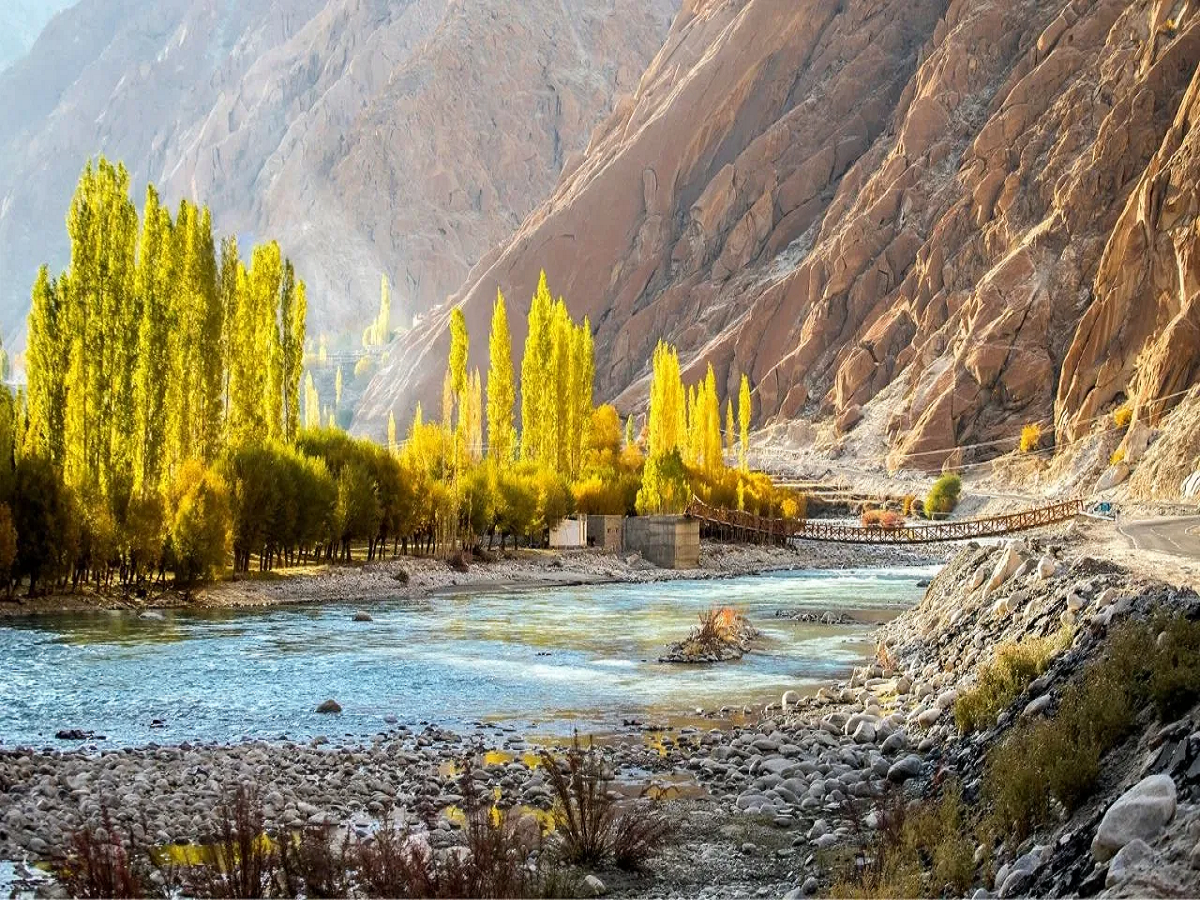
Located near the India-Pakistan border in Ladakh, Turtuk is considered the northernmost village of India. Surrounded by breathtaking landscapes, it offers a peaceful escape away from the usual tourist rush. The village stands out not only for its scenic charm but also for its rich cultural and historical significance, making it an ideal destination for nature lovers and cultural explorers alike.
A Village with a Unique Past
Turtuk has a fascinating history. It became a part of India after the 1971 war, having previously been under Pakistan’s control. Situated just about 8 kilometers from the border, the village is deeply rooted in Balti culture. Visitors will notice distinct differences in language, traditions, and lifestyle, offering a rare cultural experience.
How to Reach Turtuk
To visit Turtuk, travelers must first reach Leh in Ladakh. From there, entry to the village requires an Inner Line Permit issued by local authorities due to its sensitive border location. Security checks are mandatory for all visitors.
Nature at Its Best
Turtuk’s natural beauty is truly captivating. From lush landscapes to scenic waterfalls like the famous Turtuk Falls, every corner of the village offers a sense of calm and wonder. The tranquil environment makes it a perfect retreat for those looking to escape the chaos of city life.
Cultural Attractions and Local Experiences
A visit to the Balti Heritage House and Museum is a must. These traditional stone and wooden structures showcase artifacts such as old utensils, traditional costumes, and relics from the 1971 war, providing insight into the region’s heritage.
More to Explore
The village is also known for its picturesque apricot orchards, which bloom beautifully in April. Visitors can explore the local polo ground, learn about the region’s natural cold storage techniques, and visit the historic royal house, adding depth to their travel experience.