Decorating your home with plants adds beauty and freshness, but not all plants are safe—especially if you have small children or pets like cats and dogs. Some commonly used indoor and garden plants can cause injuries, poisoning, or serious health problems if touched or consumed. Here are a few plants you should avoid planting at home or keep well out of reach.
Cactus (Nagphani)
Cacti are popular indoor and balcony plants due to their low maintenance. However, their sharp spines can cause cuts, wounds, and infections if children or pets accidentally touch them. Curious pets can easily get injured while playing near these plants.
Cherry Laurel
Cherry laurel is loved for its beautiful white flower clusters, but it is highly toxic to both humans and animals. Ingesting any part of the plant can lead to breathing difficulties, convulsions, and severe poisoning, which may even be life-threatening.
Oleander (Kaner)
Oleander is a common flowering plant found around homes. While its colorful flowers are attractive, its leaves and fruits are extremely poisonous. Consumption can cause serious health issues and, in severe cases, may be fatal. It should never be planted in homes with children or pets.
Lily
Lilies are elegant and widely used as indoor plants, but they can be harmful if eaten. They may cause vomiting, diarrhea, and irritation in humans. For pets—especially cats—lilies are extremely toxic, and even minimal exposure can be dangerous.
English Ivy
English ivy is an evergreen decorative plant often used indoors or on walls. If its leaves or berries are ingested, they can cause stomach pain, vomiting, excessive salivation, and weakness. The plant may also cause skin allergies in some people.
Angel’s Trumpet (Dhatura)
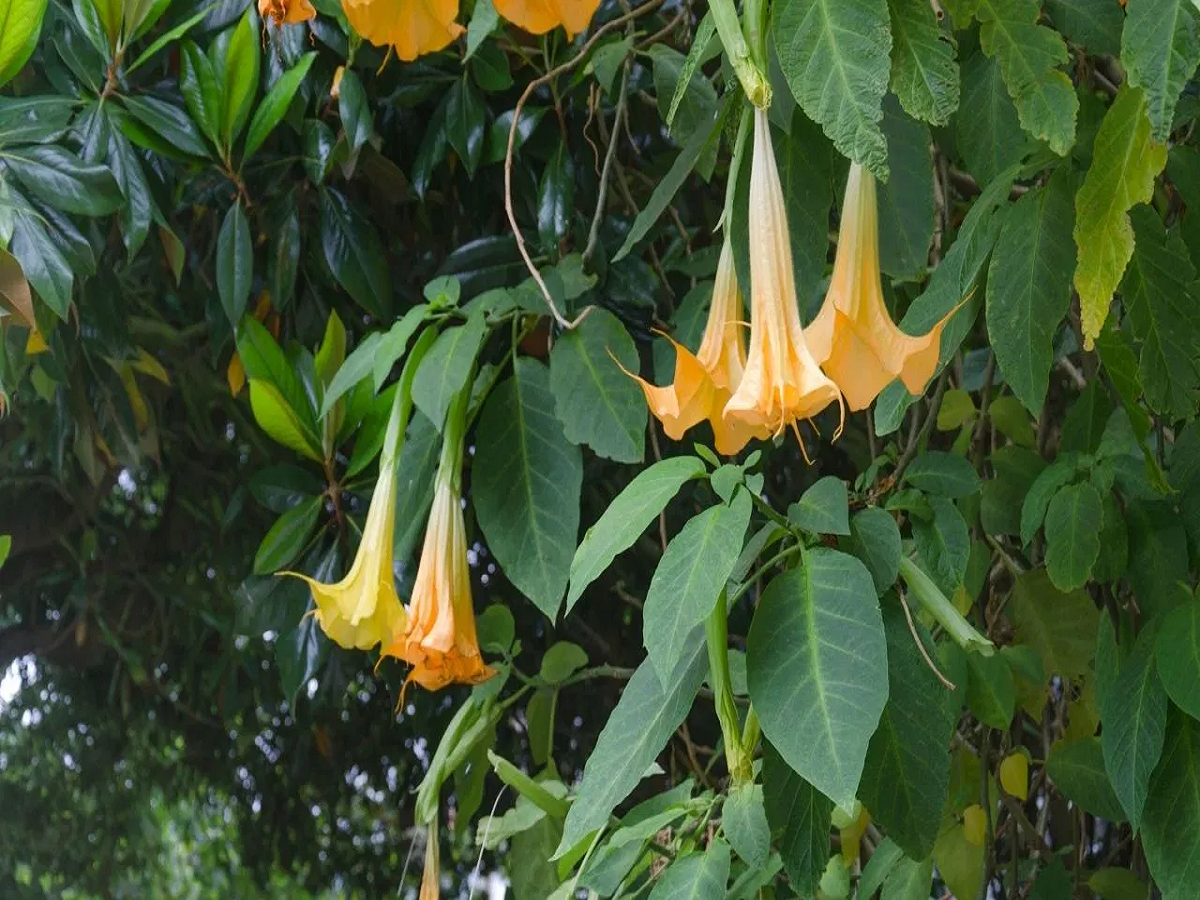
Angel’s trumpet, also known as Dhatura, has large white or yellow flowers and is sometimes grown in pots at home. This plant is highly poisonous. Contact can cause skin and eye irritation, while consumption may lead to hallucinations, seizures, unconsciousness, and can even be fatal.
Conclusion
While plants enhance the beauty of a home, safety should always come first. If you have children or pets, avoid planting these harmful varieties or ensure they are kept completely out of reach. Opting for pet-safe and child-friendly plants is a smarter and safer choice for your household.