TECH
Cyber Fraud Alert: Be careful if you receive a message asking for money in the name of a friend or relative, DoT warns
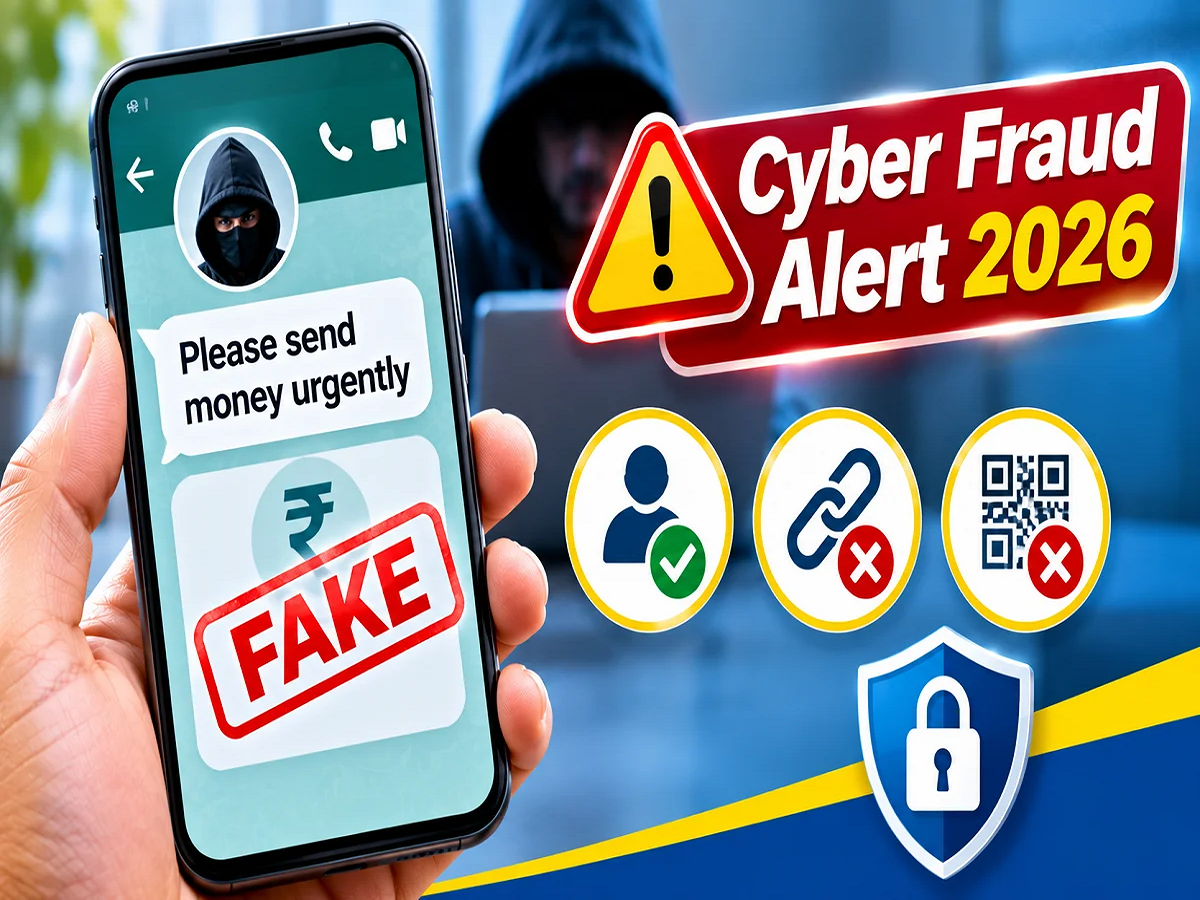
Online Money Transfer Fraud 2026: Amidst the growing use of digital payments, cybercriminals are adopting new methods to defraud people. Fake messages soliciting money through WhatsApp, SMS, and social media are posing a serious threat. Sometimes, fraudsters, using the name of an acquaintance, claim a sudden need for money and pressure you to make an immediate online transfer. Sending money without verification in such cases can result in significant financial losses.
The Department of Telecommunications (DoT), Government of India, issued an important warning regarding cyber fraud on its official social media accounts on November 14, 2026. The department advised citizens to verify the identity of any individual before sending money to them.
DoT cautions against fake money-seeking messages
According to the Department of Telecommunications, fraudulent messages soliciting money are a cybersecurity concern. Criminals may use various excuses to gain people's trust.
Sometimes money is demanded in the name of an acquaintance, and sometimes citing an emergency situation, the person is asked to send the money immediately.
The department has clearly advised that before transferring money, verify the identity of the concerned person by calling him directly.
It is not safe to trust a person based solely on the name or profile photo shown in the message.
How do cyber-criminals commit online money transfer fraud?
There are many methods criminals can use to commit online money scams.
1. Asking for money by pretending to be a friend or relative
Scammers may send messages using the name and photo of someone they know, then pretend to be in a difficult situation and demand money.
2. Making an emergency excuse
Sometimes, people are asked to pay immediately, citing hospitalization, accident, or other urgent expenses. In a hurry, people may send money without verification.
3. Sending fake banking messages
In some cases, criminals pose as representatives of a bank or financial institution. They may ask for personal information under the guise of account security, KYC updates, or payment verification.
4. Obtaining OTP and Banking Information
Fraudsters may ask for OTP, UPI PIN, password and other confidential information under the pretext of sending or receiving money.
5. Sending suspicious payment links
Unfamiliar messages may contain payment-related links. These could be used to redirect you to a fake website or obtain sensitive information.
Keep these 6 things in mind before transferring money
To avoid online financial fraud, it is important to take some simple precautions.
- Verify identity: Call the person asking for money directly on a saved or trusted number.
- Don't make hasty payments: Avoid responding immediately to messages asking for money.
- Do not share OTP: Do not share banking OTP, UPI PIN and password with anyone.
- Beware of unknown links: Avoid clicking on suspicious SMS, email or WhatsApp links.
- Check payment details: Verify the recipient's name and account details before UPI or bank transfer.
- Report suspicious activity: If you suspect fraud, inform the bank and relevant authorities.
What to do if you receive a message on WhatsApp asking for money in the name of an acquaintance?
If you suddenly receive a message on WhatsApp in the name of a friend or relative asking for money, first check its authenticity.
Call the person at the number already available. If the call goes unanswered, try another trusted contact method.
It is not right to assume that the person asking for money is actually your acquaintance just on the basis of profile photo, name or old messages.
If someone is constantly pressuring you to make an immediate payment and avoiding talking on the phone, consider this a sign of possible fraud and be cautious.
Where to complain about online fraud?
If you accidentally transfer money to a cybercriminal, contact your bank or payment service provider immediately.
National helpline number 1930 is available to lodge complaints of financial cyber fraud in India .
Apart from this, you can also lodge a complaint on the official website https://cybercrime.gov.in .
Chakshu facility available on the Sanchar Saathi portal of the Department of Telecommunications ( https://sancharsaathi.gov.in ) can also be used for reporting suspicious calls, SMS and WhatsApp messages .
Keep in mind that Chakshu is for reporting suspicious communications. If actual financial loss has occurred, it's necessary to file a complaint on 1930 or the National Cyber Crime Reporting Portal.
DoT advises: Verify identity first, then send money
The main message of this cyber-security warning from the Department of Telecommunications is that one should not blindly trust any unknown or suspicious money-seeking message.
A little caution when making digital payments can prevent significant financial losses. Even if you receive a message from someone you know, it's important to verify their identity.
Remember, a phone call before sending money can save your hard-earned money from falling into the hands of cybercriminals. So verify your account first and only then make a secure payment.
Source Credit: Department of Telecommunications (DoT India), Government of India | Official X (Twitter) Cyber Scam Alert | Published: November 14, 2026.
Original Source: https://x.com/DoT_India/status/2121453065697886594