AUTO
Cruise Control in Manual Cars Explained: How It Works and How It Differs from Automatic Vehicles
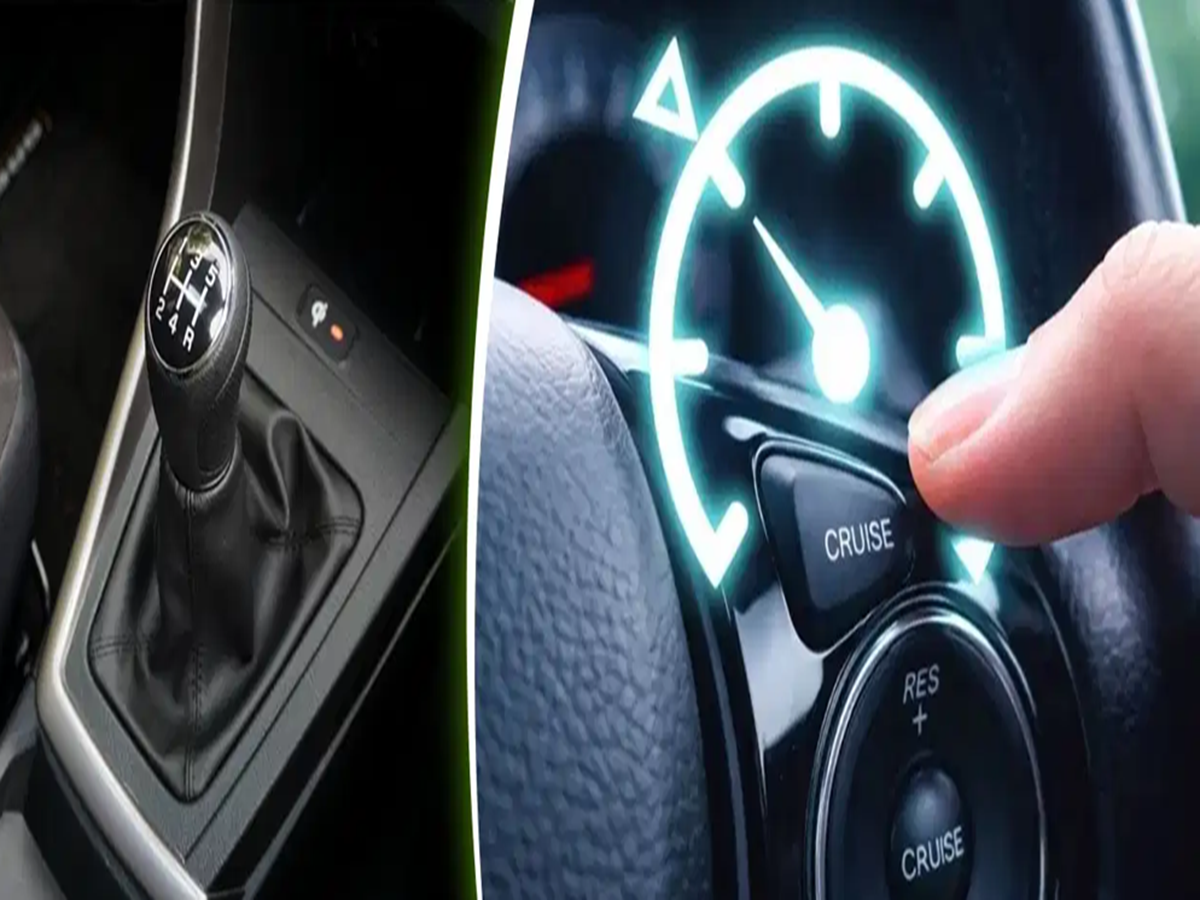
Cruise control was once a feature reserved for premium cars, but it is now available in many budget and mid-range models. While many people associate cruise control with automatic cars, the feature is also offered in several manual transmission vehicles. However, the way it operates is slightly different.
What Is Cruise Control?
Cruise control is a driving assistance feature that allows a vehicle to maintain a preset speed without the driver having to keep pressing the accelerator.
For example, if you set the cruise control at 100 km/h on a highway, the system automatically manages the throttle to keep the car travelling at that speed under suitable road conditions. This makes long-distance driving more comfortable and reduces driver fatigue.
How Cruise Control Works in a Manual Car
In a manual transmission car, cruise control functions only while the vehicle remains in the same gear.
The moment the driver presses the clutch pedal or shifts gears, the cruise control system automatically disengages. This happens because gear changes in a manual car require direct driver control. Keeping cruise control active during a gear shift could interfere with speed management, so the system switches off as a safety measure.
Once the gear change is complete, the driver can reactivate cruise control if needed.
How It Works in an Automatic Car
Automatic cars handle gear changes on their own, allowing cruise control to remain active even as the transmission shifts gears.
The vehicle automatically adjusts the gear based on speed and road conditions while continuing to maintain the preset cruising speed. This seamless operation makes cruise control more convenient and easier to use in automatic vehicles, especially during long highway drives.
Benefits of Cruise Control
Cruise control offers several advantages, particularly on long stretches of open roads:
- Reduces the need to keep pressing the accelerator.
- Helps minimize leg fatigue during long drives.
- Maintains a consistent driving speed on highways with light traffic.
- Can improve fuel efficiency by avoiding unnecessary acceleration and speed fluctuations.
- Makes long-distance travel more comfortable and less tiring.
Bottom Line
Cruise control works in both manual and automatic cars, but the experience differs. In manual vehicles, the system automatically turns off whenever the clutch is pressed or gears are changed, while in automatic cars it continues to function seamlessly because the transmission manages gear shifts on its own. Regardless of the transmission type, cruise control can make highway driving more comfortable, provided it is used safely and in appropriate driving conditions.