While summer is the season for hydrating fruits and light salads, not every vegetable found in the market has a cooling effect. Maintaining a balanced body temperature is a "mechanical necessity" during the peak of summer to avoid issues like acidity, skin rashes, and heat exhaustion.
According to traditional wellness principles and nutritional science, certain seasonal vegetables possess "thermogenic" properties—meaning they generate internal heat during digestion. To stay healthy in humid weather, it is essential to consume the following vegetables in moderation.
1. Eggplant (Brinjal)
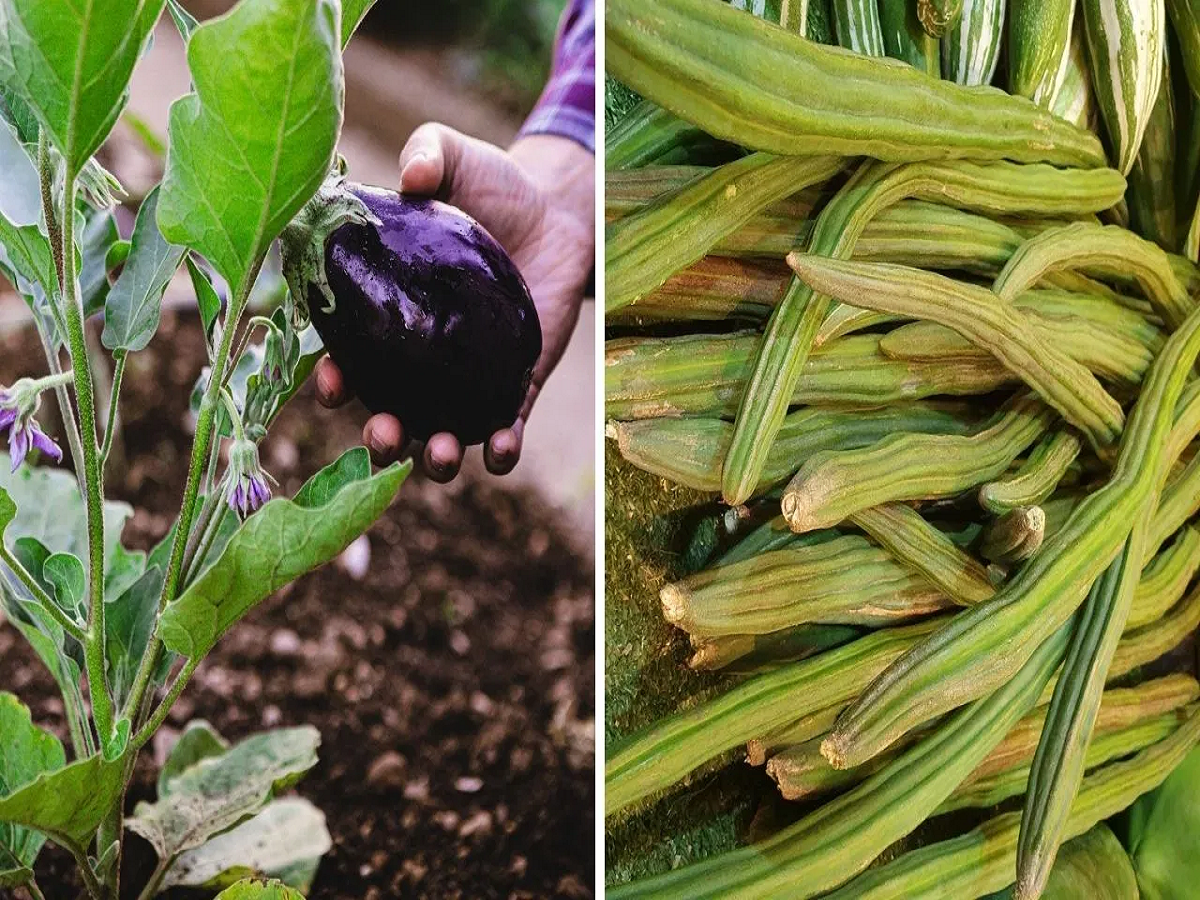
Though a staple in many summer recipes, eggplant is naturally warming. It contains thermogenic elements that can stimulate the body's internal furnace.
-
The Risk: Overconsumption can lead to digestive discomfort, heartburn, and inflammatory skin conditions like pimples or rashes.
-
Healthy Tip: If you must eat eggplant, avoid heavy frying. Instead, roast it and cook it with minimal oil and cooling spices like cumin or fennel.
2. Drumstick (Moringa)
Moringa has gained global fame as a "superfood" due to its dense nutrient profile, but its potency comes with a high heat signature.
-
The Risk: Both the pods and the leaves are highly warming. In the intense heat of May and June, eating too much drumstick can overstimulate your metabolism and lead to internal heat buildup.
-
Healthy Tip: Limit drumstick to small portions in light lentil soups or sambar rather than eating it as a primary vegetable dish.
3. Onions: The Dual-Nature Vegetable
There is often confusion about onions. While raw onions are famous for preventing heatstroke, they also have a pungent, "rajasic" quality.
-
The Risk: While they aid digestion and protect against the "Loo" (hot winds), eating them in excess—especially when fried into heavy gravies—can actually generate heat.
-
Healthy Tip: Stick to eating raw onions in salads with a squeeze of lemon to maximize their cooling benefits while avoiding the heat generated by cooked, spicy onion masalas.
The Golden Rules for Summer Cooking
Staying hydrated isn't just about drinking water; it’s about how you prepare your meals. To keep your body cool, follow these simple dietary adjustments:
Avoid Thermogenic Spices
Spices like black pepper, cloves, and dried red chilies act as thermogenic agents. They accelerate blood circulation and sweating, which can lead to rapid dehydration in hot weather. Use cooling alternatives like fresh coriander, mint, and green cardamom.
Minimize Fried and Heavy Foods
Fried foods (like deep-fried okra or potato fries) create a layer of fat that slows down digestion. A sluggish digestive system requires more energy and water to function, which spikes your internal body temperature and leaves you feeling fatigued.
Focus on Water-Rich Alternatives
To balance the heat-inducing vegetables mentioned above, ensure your plate is dominated by high-water-content options:
-
Gourds: Bottle gourd (Lauki), Ridge gourd (Turai), and Ash gourd.
-
Cucurbits: Cucumber and Zucchini.
-
Leafy Greens: Spinach and Amaranth (in moderation).
By understanding the "nature" of what you eat, you can enjoy a variety of foods this summer without compromising your body’s natural cooling mechanisms.