LIFESTYLE
Constipation Isn't Just About Digestion: It May Increase the Risk of These Health Problems
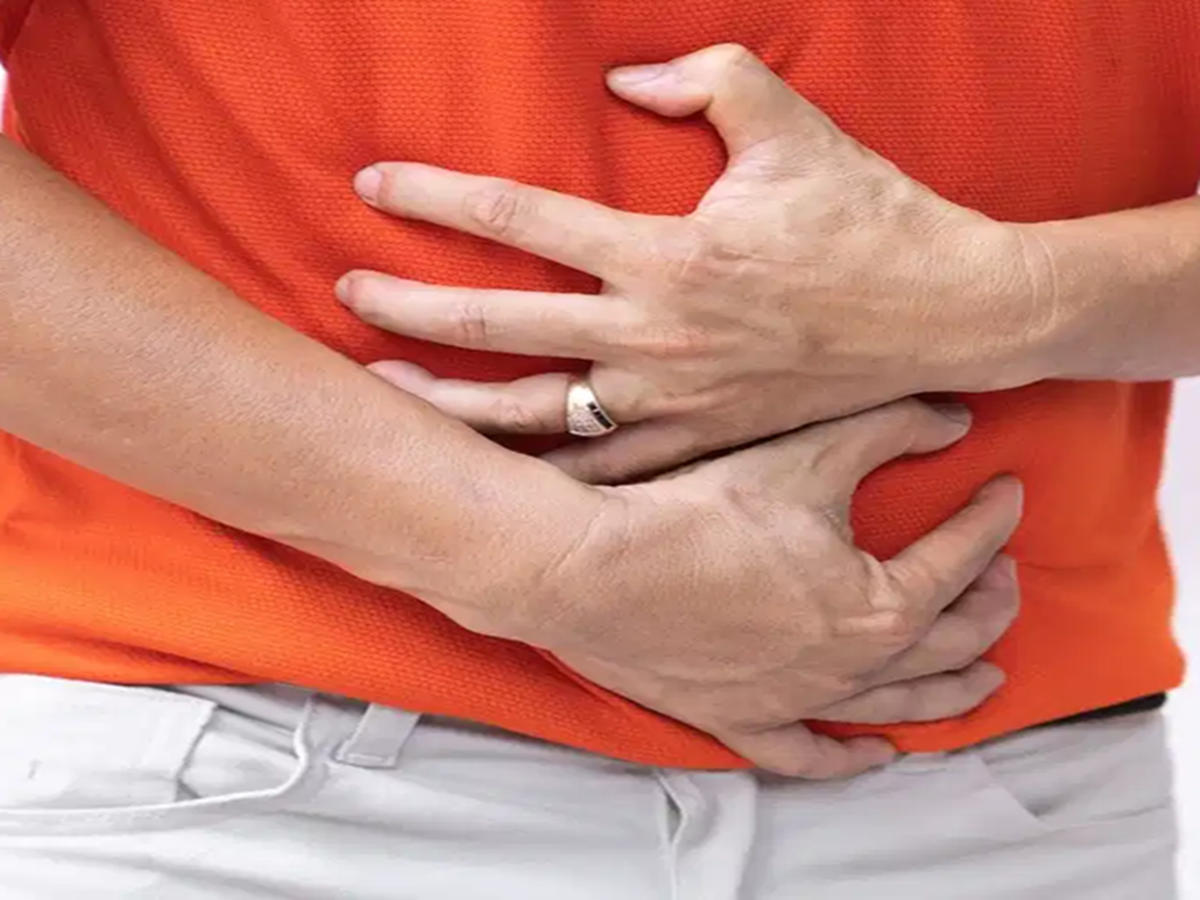
Constipation is one of the most common digestive issues and can affect people of all ages. It is usually characterized by infrequent bowel movements, hard stools, or difficulty passing stool. While many people consider it a minor inconvenience, persistent constipation can interfere with daily life and may contribute to several health problems if left untreated.
Factors such as a low-fiber diet, inadequate water intake, lack of physical activity, and certain medical conditions can all lead to constipation. Recognizing the problem early and making healthy lifestyle changes can help protect both digestive health and overall well-being.
How Can Constipation Affect Your Health?
One of the most common complications of long-term constipation is piles (hemorrhoids). Frequent straining during bowel movements can put extra pressure on the veins around the anus, causing them to swell. This may result in pain, itching, discomfort, or bleeding during bowel movements.
Persistent constipation may also increase the risk of:
-
Anal fissures, or small tears in the lining of the anus, which can cause severe pain and bleeding.
-
Rectal prolapse, where part of the rectum slips out of its normal position after repeated straining, although this is less common.
-
Digestive discomfort such as bloating, gas, stomach pain, and indigestion.
-
Fecal impaction, a condition in which hardened stool becomes stuck in the rectum or large intestine, making it difficult to pass without medical treatment.
If constipation continues despite lifestyle changes, it is important to seek medical advice.
Warning Signs You Shouldn't Ignore
Constipation may require medical evaluation if you experience:
-
Constipation lasting for several days or becoming frequent.
-
Severe pain during bowel movements.
-
Blood in the stool.
-
Persistent abdominal pain or bloating.
-
Unexplained weight loss.
-
Repeated vomiting.
-
Inability to pass stool for an extended period.
In addition, symptoms such as fever, persistent weakness, or signs of anemia along with constipation should be assessed by a healthcare professional as soon as possible.
How to Prevent Constipation and Keep Your Gut Healthy
Healthy daily habits can help reduce the risk of constipation and support digestive health.
-
Drink plenty of water throughout the day.
-
Eat fiber-rich foods such as fruits, vegetables, whole grains, and pulses.
-
Stay physically active with regular exercise or daily walks.
-
Don't ignore the natural urge to have a bowel movement.
-
Limit processed and junk foods, which are often low in fiber.
If constipation persists even after improving your diet and lifestyle, consult a doctor to identify the underlying cause and receive appropriate treatment. Early attention to persistent constipation can help prevent complications and keep your digestive system functioning well.