LIFESTYLE
Carrot–Radish Pickle Can Get Spoiled If You Make These Mistakes — Taste and Health Both Suffer
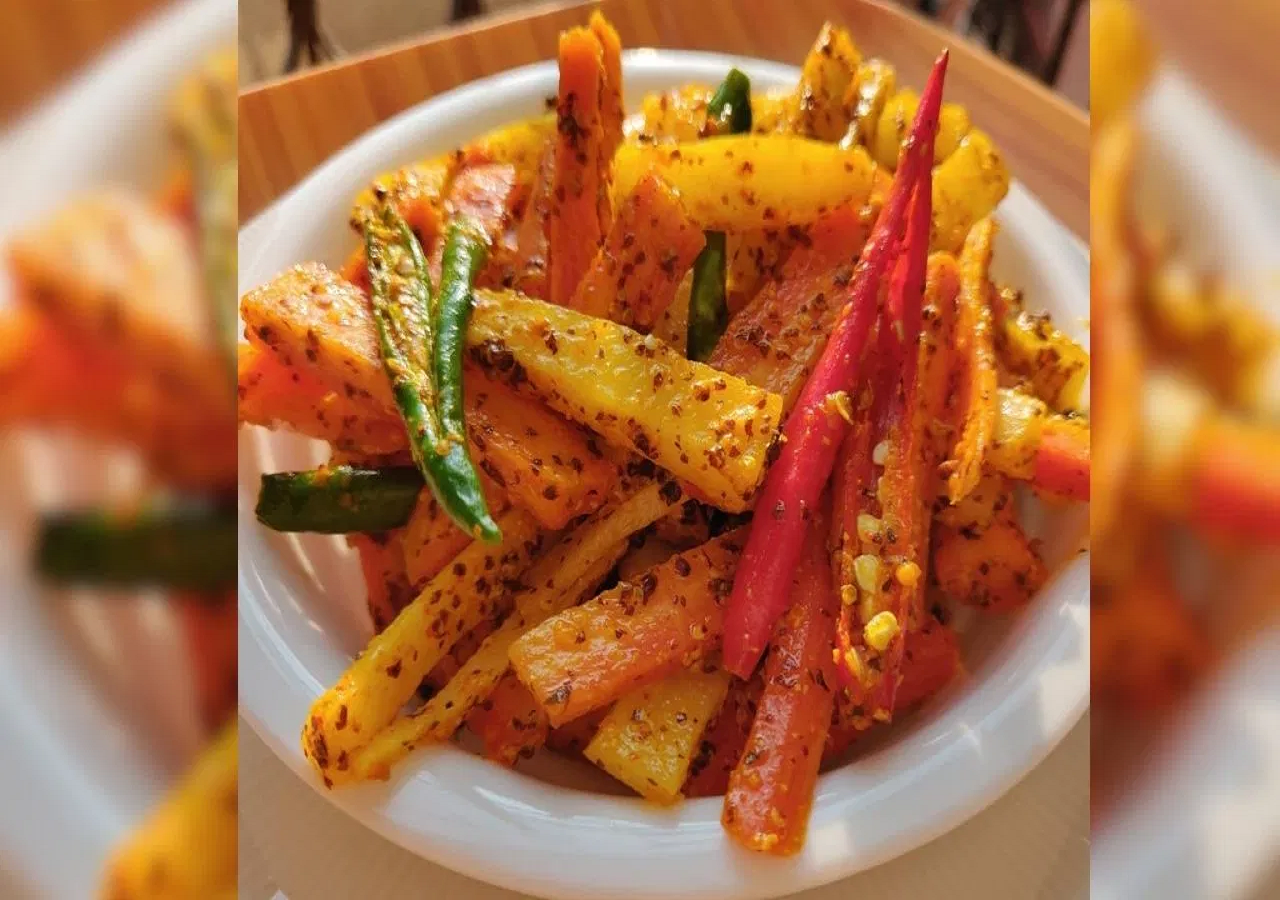
Winter feels incomplete in many Indian homes without carrot–radish pickle. Made from sweet seasonal carrots and mildly sharp radish, this pickle is loved for its crunch, colour, and bold spices. It also matures beautifully in winter sunlight, making it a favourite homemade preserve.
However, many people complain that their carrot–radish pickle either loses taste, turns soggy, or gets spoiled. In most cases, the reason isn’t the recipe—but a few common mistakes made during preparation.
Here are the key mistakes you should avoid while making carrot–radish pickle.
1. Not drying the vegetables properly
This is the most common and most damaging mistake.
-
Carrots and radishes contain natural moisture
-
If they are chopped and used without sun-drying, moisture remains trapped
-
This leads to fungus, bad smell, and quick spoilage
Always dry chopped vegetables in sunlight until they are completely moisture-free before mixing spices.
2. Uneven cutting of carrots and radishes
Many people cut some pieces thick and some thin.
-
Thin pieces soften too quickly
-
Thick pieces remain raw and hard
-
This results in uneven pickling and poor taste
Cut both carrot and radish pieces in equal thickness so they ferment evenly.
3. Choosing the wrong radish
Not every radish is suitable for pickling.
-
Very thick radishes often have a spongy or hollow centre
-
These radishes don’t absorb spices well and spoil faster
Always choose medium-sized, fresh, firm radishes for the best texture and flavour.
4. Using too much asafoetida or fenugreek
Some spices should be used with restraint in carrot–radish pickle.
-
Excess asafoetida (hing) overpowers all other spices
-
Too much fenugreek (methi seeds) makes the pickle bitter
-
Overuse of hing can also cause digestion issues like loose motions
Use both sparingly to maintain balance and flavour.
5. Eating pickle after removing fungus — a dangerous mistake
Some people scrape off the mold and continue eating the remaining pickle. This is unsafe.
-
Mold contamination spreads internally
-
Consuming such pickle can cause digestive issues, infections, or breathing problems, especially if immunity is low
If a pickle develops fungus, it’s best to discard it completely.