AUTO
CAFE-3 Rules From April 2027: Small Cars Get No Special Relief as Fuel-Efficiency Norms Tighten
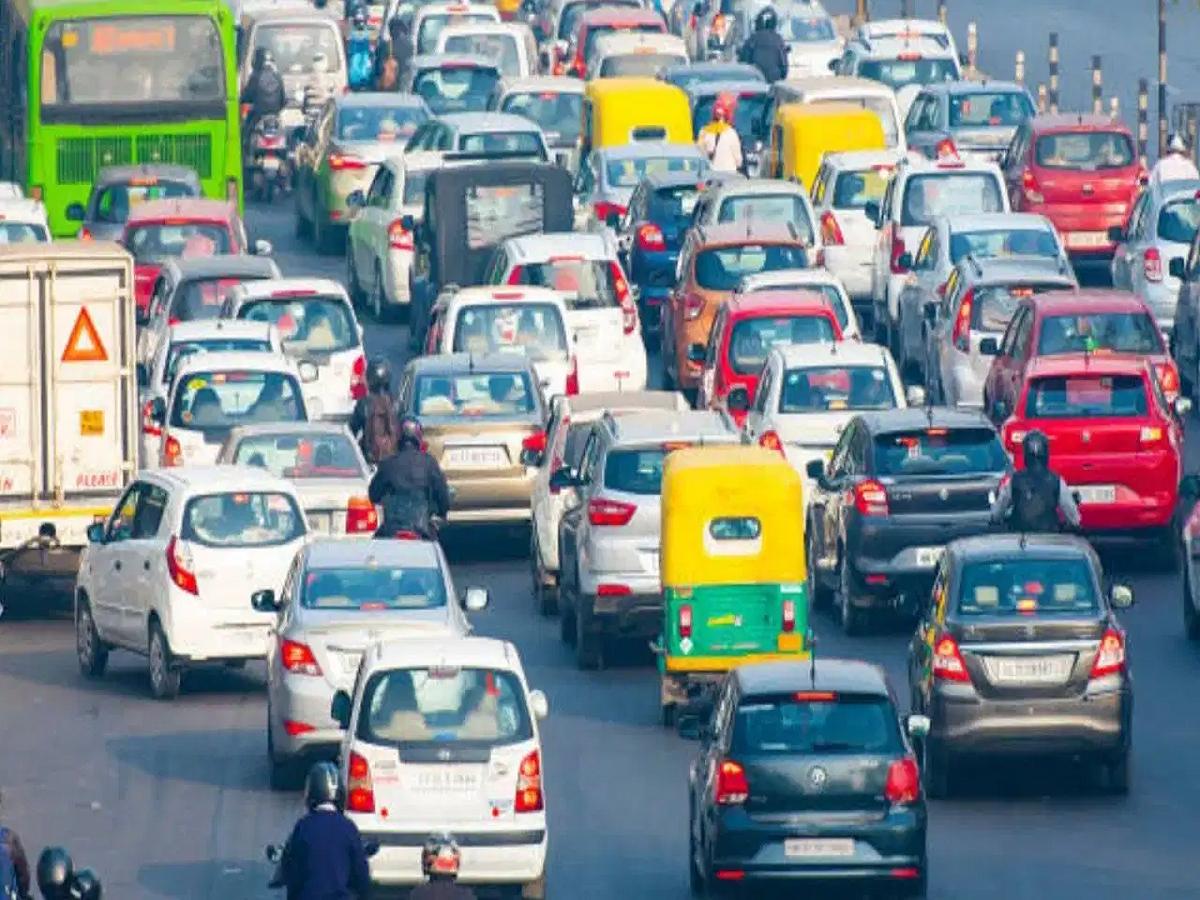
India is preparing for another major shift in automobile regulations. The government has notified the new Corporate Average Fuel Economy, or CAFE-3, norms for passenger vehicles, with the rules set to come into effect from April 1, 2027.
The regulations will remain in force until March 31, 2032, requiring car manufacturers to keep the average fuel consumption and carbon emissions of their passenger-vehicle fleets within prescribed limits.
The rules cover more than just petrol and diesel vehicles. Electric cars, hybrids and other alternative-fuel vehicles will also play an important role in helping manufacturers meet their fleet-wide targets.
What are CAFE-3 rules?
CAFE regulations are designed to push car manufacturers towards better fuel efficiency and lower carbon emissions across their entire passenger-vehicle portfolio.
The rules apply to passenger vehicles such as hatchbacks, sedans, SUVs and MPVs that can carry up to eight passengers, excluding the driver.
Both vehicles manufactured in India and those imported for sale in the country will fall under the new framework.
The regulations are expected to encourage manufacturers to invest in cleaner engines, electrification and technologies that can reduce fuel consumption.
No special exemption for small cars
One of the notable changes in the final CAFE-3 regulations concerns small cars.
The draft rules had proposed a special exemption for petrol-powered cars weighing below 909 kg. The idea was to protect affordable small cars from potentially higher costs resulting from stricter efficiency requirements.
However, this exemption has not been included in the final regulations.
As a result, small cars will also come under the CAFE-3 framework.
At the same time, the revised target curve is structured to make the requirements relatively easier for lighter vehicles while placing tougher efficiency expectations on heavier cars.
Reference weight has been increased
Another significant change is the increase in the reference weight used for calculating the targets.
Under CAFE-3, the reference weight has been increased from 1,082 kg to 1,229 kg, representing an increase of around 13.6 percent.
The change reflects the increase in the average weight of passenger vehicles sold in India in recent years.
Fuel-efficiency targets will become tougher
Manufacturers will face progressively stricter efficiency requirements throughout the CAFE-3 period.
The benchmark for 2027-28 is set at 3.996 litres per 100 kilometres. By 2031-32, the target falls to 3.3273 litres per 100 kilometres.
This represents an improvement of approximately 16.7 percent over the five-year period.
For carmakers, this means that improving the efficiency of individual models will not be enough. They will need to ensure that the average performance of their overall vehicle portfolio meets the prescribed standards.
EVs and hybrids get a major advantage
CAFE-3 also introduces super credits to encourage manufacturers to sell vehicles using cleaner technologies.
Battery electric vehicles, range-extended EVs, plug-in hybrids, strong hybrids and flex-fuel vehicles will be eligible for these incentives.
Under the system, sales of qualifying cleaner vehicles can provide additional benefits when manufacturers calculate their fleet-wide performance.
This could encourage carmakers to expand their electric and hybrid line-ups as they work towards meeting increasingly strict emissions targets.
Credit and debit system for manufacturers
CAFE-3 also includes a credit mechanism.
Manufacturers that perform better than their prescribed targets can accumulate additional credits. These credits can subsequently be used to help meet requirements in future periods.
Companies that fall short of their targets can use accumulated credits or purchase credits from other manufacturers.
They may also obtain eligible credits through the procurement programme operated by the Bureau of Energy Efficiency.
This creates a system where manufacturers can manage their compliance through both technological improvements and credits.
More fuel-saving technologies could enter cars
The new regulations are not limited to engine technology.
CAFE-3 is also expected to encourage technologies that can improve overall vehicle efficiency. These may include solar-reflective paint, advanced glazing and more efficient air-conditioning systems.
Such technologies could help manufacturers reduce energy consumption without relying solely on changes to the engine or powertrain.
What does CAFE-3 mean for car buyers?
The new rules could gradually influence the cars available in India.
Manufacturers may increasingly introduce more efficient petrol engines, hybrid powertrains and electric vehicles while improving technologies designed to reduce fuel consumption.
There could also be changes to vehicle design and equipment as companies attempt to meet fleet-wide targets.
For buyers, the impact may not be immediate, but over time CAFE-3 could influence vehicle prices, powertrain choices, fuel efficiency and the types of cars manufacturers choose to sell.
The bigger picture
CAFE-3 comes at a time when India's automobile industry is rapidly changing, with electric vehicles, hybrids, alternative fuels and new efficiency technologies becoming increasingly important.
The message for manufacturers is clear: simply selling more cars will no longer be enough. They will also need to ensure that their overall fleet becomes more fuel-efficient and produces lower emissions.
With the rules taking effect from April 2027, carmakers now have a limited window to prepare their products and technology portfolios for the next phase of India's fuel-efficiency and emissions regulations.