Tyres are among the most important components affecting a motorcycle’s grip, stability and handling. Yet when it is time for replacement, many riders focus primarily on price, brand or appearance. Choosing the wrong tyre, however, can negatively affect how the bike behaves on city roads, highways and wet or uneven surfaces.
The right tyre should be selected according to the motorcycle manufacturer’s specifications, wheel type and typical riding conditions. Riders should also regularly inspect existing tyres because visible wear or damage can be a warning that replacement is needed.
Here are some important factors to consider before buying new tyres for your motorcycle.
1. Check the Tread Before Replacing Your Bike Tyres
One of the easiest ways to assess tyre condition is by inspecting the tread.
The grooves on a motorcycle tyre are designed to provide grip and help manage water on wet roads. As the tyre wears, these grooves gradually become shallower.
Many tyres have tread wear indicators that can help riders determine when the tread has reached its wear limit. If the tread has worn down to the indicator or appears excessively shallow, the tyre should be inspected and replaced as appropriate.
Continuing to ride on heavily worn tyres can reduce available grip, particularly on wet roads.
2. Look for Cracks, Cuts and Bulges
Tread depth isn't the only thing that matters.
Carefully inspect the entire tyre, including its sidewalls, for cuts, cracks, unusual bulges or other visible damage.
A tyre can still have tread remaining but may no longer be suitable for use because of structural damage. Sidewall damage, in particular, should not be ignored.
If you notice unusual deformation or significant damage, have the tyre inspected by a qualified professional rather than continuing to ride on it.
3. Don't Change Tyre Size Without Checking Specifications
When buying a replacement tyre, check the size recommended by the motorcycle manufacturer.
Tyre sidewalls carry a series of numbers and letters indicating specifications such as tyre width, aspect ratio, construction and rim diameter. The replacement tyre should be compatible with your motorcycle and wheel.
Installing a tyre that is unnecessarily wider, narrower, larger or smaller than the recommended specification can change handling characteristics, clearance and ride quality.
Instead of changing sizes purely for appearance, follow the manufacturer's approved specifications.
4. Tubeless or Tube Tyre: Which One Should You Choose?
Whether you need a tube or tubeless tyre largely depends on the motorcycle's wheel and manufacturer specifications.
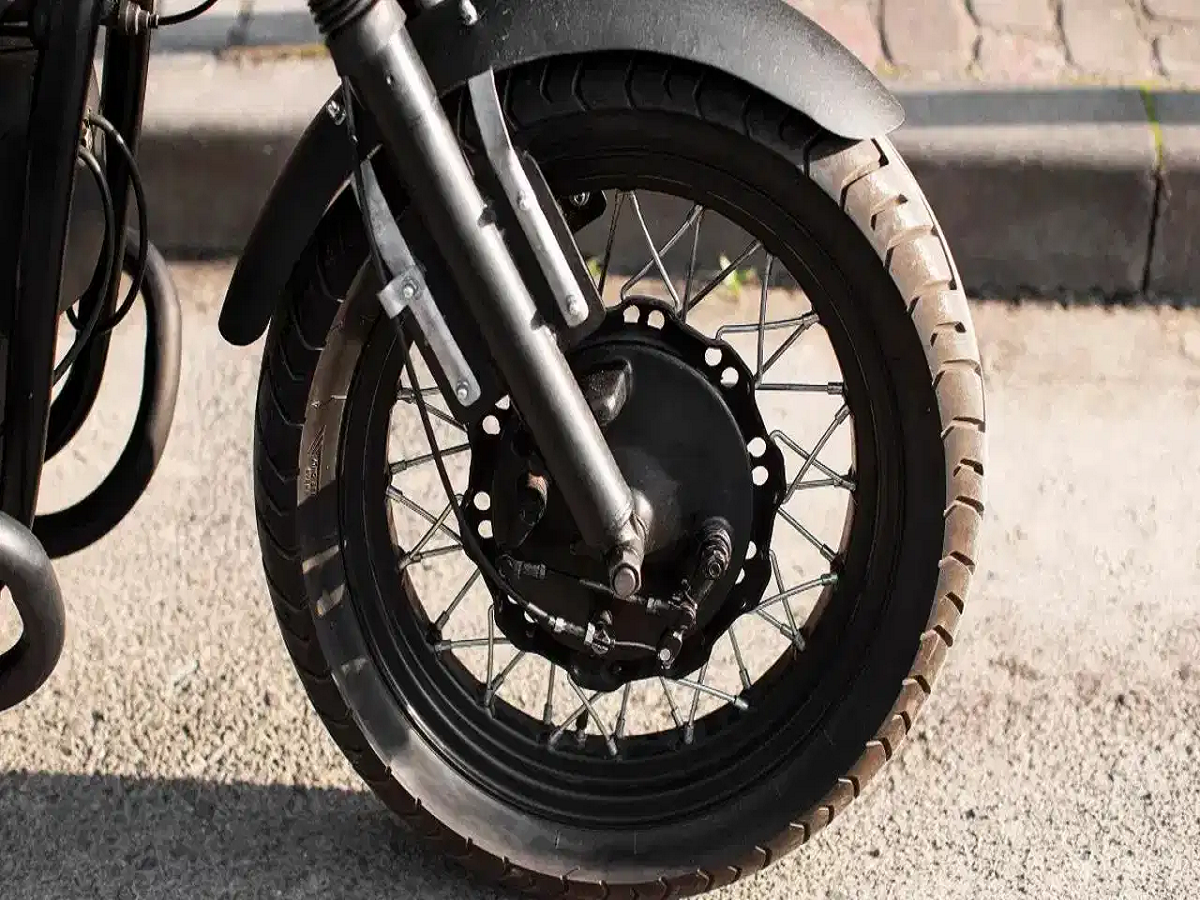
Many motorcycles with alloy wheels are designed for tubeless tyres, while traditional spoke-wheel setups often use tyres with inner tubes, although the exact arrangement varies between motorcycles.
A key advantage of a properly functioning tubeless setup is that certain punctures may result in relatively gradual air loss rather than an immediate complete deflation.
However, this does not mean it is safe to continue riding normally with a punctured tyre. If you suspect a puncture or notice falling tyre pressure, reduce speed safely and arrange appropriate repair as soon as possible.
5. Consider Radial Tyres for Suitable Highway Bikes
Riders who regularly travel long distances or use motorcycles designed for higher-speed highway riding may come across radial tyres.
Radial construction can offer advantages in areas such as stability, heat management and handling, depending on the motorcycle and tyre design.
However, a radial tyre isn't automatically the best choice for every motorcycle.
The tyre's construction, size, speed rating, load rating and compatibility with the motorcycle should all be considered. The manufacturer's recommendations should remain the primary reference.
6. Choose Tyres According to Your Daily Riding Conditions
Think about where you actually ride your motorcycle before buying tyres.
If most of your journeys are on paved city roads, a good road-focused tyre with balanced performance may be more suitable than an aggressively designed off-road tyre.
For everyday riding, factors such as predictable handling, braking performance, durability and grip in both dry and wet conditions can be important.
A tyre that performs exceptionally well in one particular environment may not necessarily be the best option for your daily commute.
7. Off-Road Riding Requires a Different Tread Pattern
Riders who frequently travel over mud, gravel, loose soil or other unpaved surfaces have different requirements.
Block-pattern or knobby tyres are designed with larger and deeper tread sections that can provide better traction on loose terrain. Conventional road-focused tyres may struggle to provide the same level of grip in such conditions.
Similarly, riders who frequently encounter rain should pay attention to wet-weather performance. Tyre grooves help channel water away from the contact area, making tread condition and design particularly important on wet surfaces.
Don't Forget Tyre Pressure
Even the right tyre cannot perform as intended if it is operated at an inappropriate pressure.
Motorcycle owners should regularly check tyre pressure and follow the pressure recommendations provided by the manufacturer. Pressure may also need to be considered according to load and riding conditions as specified in the owner's manual.
Incorrect pressure can affect handling, tyre wear, ride comfort and overall performance.
Checking tyre pressure becomes especially important before long highway journeys or when carrying additional luggage or a pillion passenger.
Don't Buy Bike Tyres Based Only on the Cheapest Price
Price is naturally an important consideration when replacing motorcycle tyres, but it shouldn't be the only deciding factor.
Check the correct size, construction, tread condition and pattern, load and speed specifications, wheel compatibility and intended riding environment before making a purchase.
Most importantly, avoid experimenting with tyre sizes or specifications simply for appearance or perceived performance benefits without checking whether they are approved for your motorcycle.
The tyres are your motorcycle's contact point with the road. Choosing the correct ones—and keeping them properly maintained—can make a meaningful difference to grip, handling and everyday riding safety.