LIFESTYLE
Bleeding Gums? Don't Ignore This Warning Sign – Know the Causes, Risks and When to Visit a Dentist
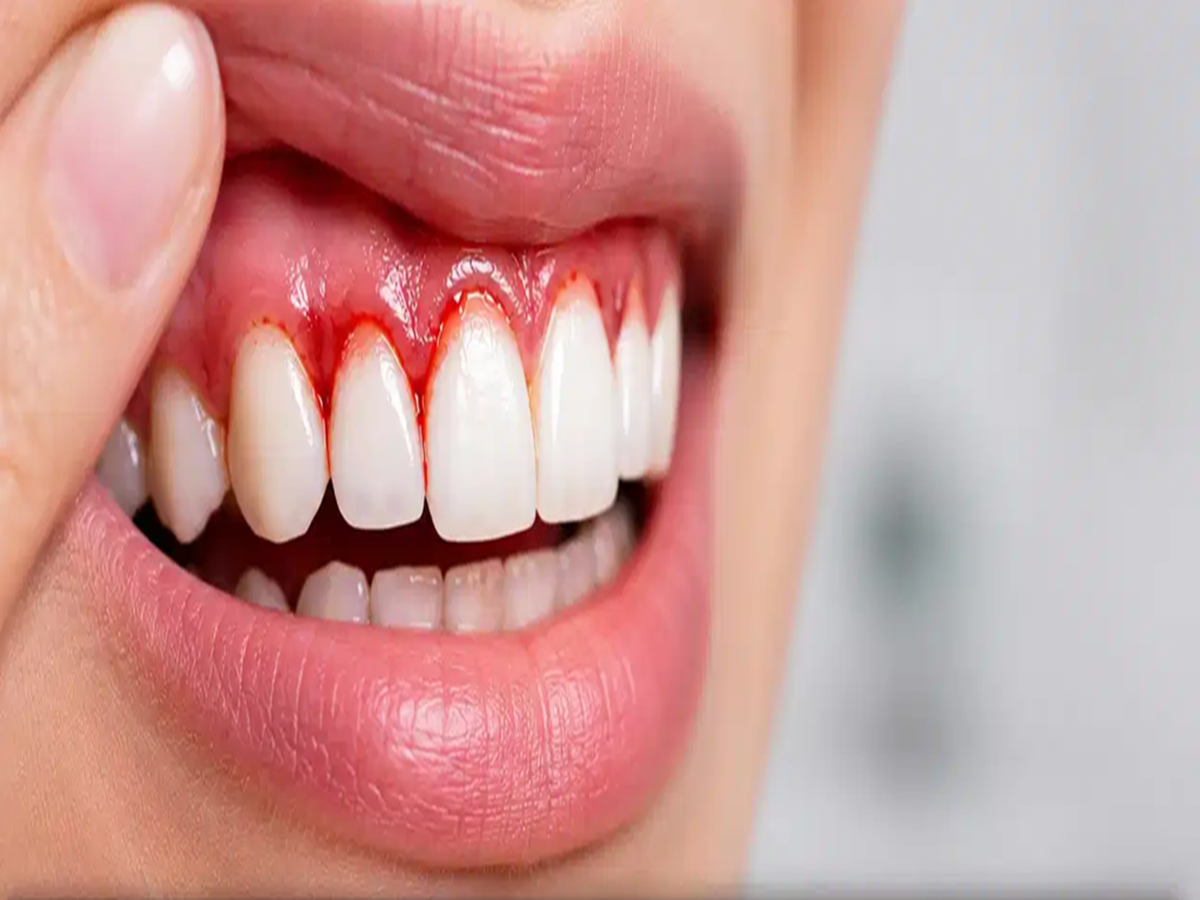
Bleeding gums while brushing your teeth or eating hard foods may seem like a minor issue, but frequent bleeding should never be ignored. Healthy gums are essential because they keep your teeth firmly in place and protect your overall oral health. Repeated gum bleeding could be an early sign of an underlying dental problem that requires timely treatment.
Poor oral hygiene, plaque buildup, and gum inflammation are among the most common reasons for bleeding gums. This problem may also be accompanied by swollen or red gums, bad breath, and pain while brushing. Understanding the possible causes and recognizing the warning signs can help prevent more serious dental complications.
What Can Bleeding Gums Indicate?
Bleeding gums are often linked to gum diseases such as gingivitis and periodontitis.
Gingivitis is the early stage of gum disease, caused by plaque accumulating along the gum line. It can lead to redness, swelling, and bleeding, especially while brushing or flossing.
If left untreated, gingivitis can progress to periodontitis, a more serious condition in which the gums begin to pull away from the teeth, creating pockets where bacteria multiply. Over time, this infection can damage the tissues and bones that support the teeth, increasing the risk of loose teeth and even tooth loss.
People who smoke, use tobacco, have diabetes, or do not maintain proper oral hygiene are generally at a higher risk of developing gum disease.
Warning Signs That Need Immediate Dental Attention
Consult a dentist without delay if you notice any of the following symptoms:
-
Bleeding gums that continue for several days
-
Persistent swelling, tenderness, or severe gum pain
-
Constant bad breath that doesn't improve
-
Pus or discharge from the gums
-
Loose or shifting teeth
-
Gums pulling away from the teeth
-
Heavy bleeding every time you brush or floss
-
Symptoms that continue to worsen over time
Early diagnosis and treatment can prevent gum disease from progressing and help preserve your teeth and gums.
Simple Ways to Keep Your Gums Healthy
Maintaining good oral hygiene is the best way to protect your gums. Follow these healthy habits:
-
Brush your teeth twice a day using the correct technique.
-
Floss daily to remove food particles and plaque between teeth.
-
Use a soft-bristled toothbrush and replace it every three to four months.
-
Avoid smoking and all forms of tobacco.
-
Eat a balanced diet rich in vitamins and minerals that support gum health.
-
Visit your dentist regularly for routine dental check-ups and professional cleaning.
Healthy Gums Mean a Healthy Smile
Occasional gum bleeding may not always be a serious concern, but frequent or persistent bleeding should never be overlooked. Paying attention to early warning signs and maintaining proper oral hygiene can help prevent serious gum disease and protect your smile for years to come. If the problem persists, seeking professional dental care is the safest course of action.