LIFESTYLE
Bijli Mahadev Temple: The Mysterious Shiva Shrine Where the Shivalinga Breaks Every 12 Years and Is Restored Again
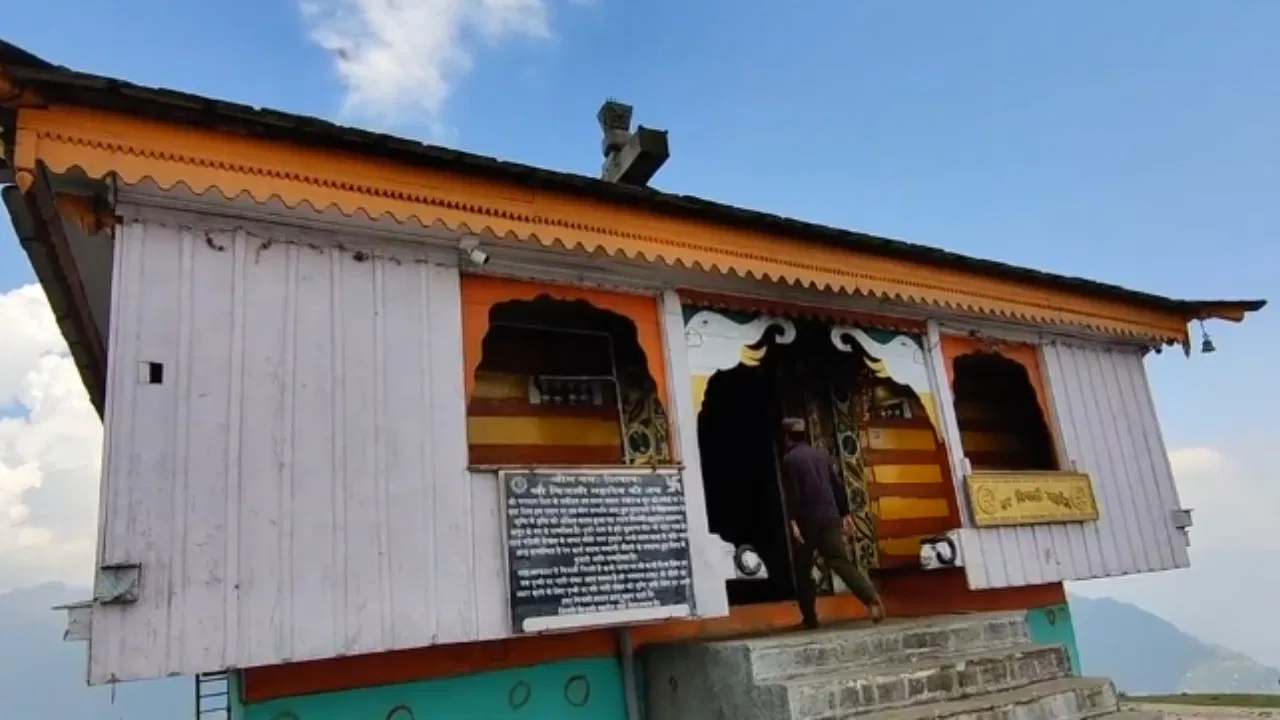
India is a land of countless ancient and mystical temples, many of which are wrapped in legends that remain unsolved to this day. Among them is a unique temple of Lord Shiva where a rare and miraculous event takes place every 12 years — the Shivalinga inside the temple breaks into pieces. This extraordinary occurrence is witnessed at the famous Bijli Mahadev Temple.
Located in the Kullu district of Himachal Pradesh, Bijli Mahadev Temple stands at an altitude of about 7,874 feet and is roughly 20 kilometers from Kullu town. The temple itself is simple in appearance, but its spiritual significance is immense. According to locals, lightning strikes the Shivalinga inside the temple once every 12 years. This lightning strike is believed to be a divine act of Lord Shiva himself.
Priests and locals restore the broken Shivalinga
As per the local belief, Lord Shiva takes the impact of the lightning upon himself to protect the world from impending disasters. When lightning strikes, the Shivalinga shatters with a loud explosion. But the devotees do not consider this destruction; instead, they see it as a sacred ritual.
After a few days, priests and villagers gather to restore the broken pieces. They use a traditional paste made of butter and sattu to rejoin the Shivalinga. Over time, it slowly returns to its original form.
The legend behind the temple
A popular legend is associated with this ancient shrine. It is believed that a demon named Kuntala once attempted to submerge the entire Kullu valley by blocking the flow of the Beas River. He disguised himself as a giant python and terrorized the people. Lord Shiva then appeared to save the valley and fought a fierce battle with the demon, ultimately slaying him.
Kuntala’s tail caught fire during the battle, leading to his death. It is said that the mountain where his head fell later became the site of the Bijli Mahadev Temple. For this reason, the temple is also known as Kuntal Peeth.