BUSINESS
Big Government Update for Rural Families: Jal Jeevan Mission 2.0 Gets Major Push, Here’s What Households Need to Know
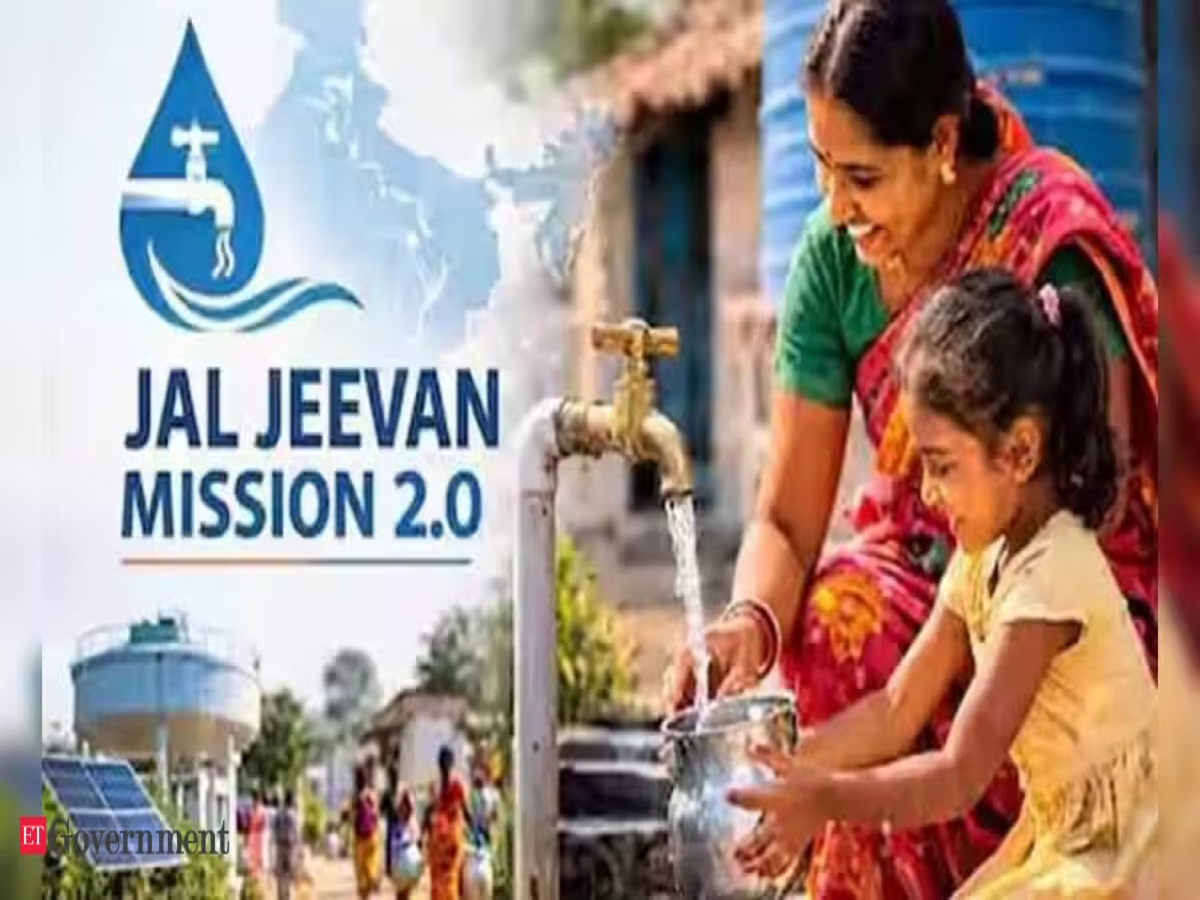
The central government has taken another major step toward improving drinking water access in rural India. Jal Jeevan Mission 2.0 focuses on expanding and strengthening tap-water connections in rural households while giving greater attention to the regularity, quality and long-term sustainability of water supply.
The initiative builds on the original Jal Jeevan Mission, which was launched to provide functional household tap connections to rural homes. The next phase places greater emphasis on making sure that existing infrastructure continues to deliver reliable water.
What is Jal Jeevan Mission 2.0?
Jal Jeevan Mission 2.0 is the next phase of the government's rural drinking-water programme. Instead of focusing only on installing new tap connections, the programme aims to improve the overall performance of rural water-supply systems.
The government is working toward making rural water infrastructure more reliable, sustainable and better managed.
What Benefits Can Rural Households Get?
The initiative can benefit rural families in several ways, including:
-
Better access to household tap-water connections
-
More reliable water supply
-
Improved monitoring of drinking-water quality
-
Better maintenance of pipelines and water infrastructure
-
Greater focus on sustainable water sources
-
Stronger local participation in managing village water systems
For families that still have to travel long distances to collect drinking water, improvements in household water supply can make a significant difference to everyday life.
The Focus Is Not Just on Installing Taps
One of the important aspects of the next phase is the focus on functional tap connections.
Simply installing a tap does not guarantee that a household receives water regularly. Pipeline maintenance, availability of water sources, water quality and proper management are equally important.
Jal Jeevan Mission 2.0 therefore aims to strengthen existing infrastructure and improve the sustainability of rural water-supply systems.
What Is the Government's Target?
The government has set an ambitious target of expanding reliable tap-water access across rural households. The next phase is intended to continue the work of the original mission and strengthen rural drinking-water infrastructure through the coming years.
The broader objective is to ensure that rural families do not have to depend solely on distant water sources for their daily drinking-water needs.
Do People Need to Apply Separately?
Households generally do not need to submit a separate application to the central government simply because Jal Jeevan Mission 2.0 has been launched.
Implementation takes place through the concerned state and local authorities. The process for obtaining or addressing a household tap-water connection can therefore vary depending on the state and village.
Residents should contact their Gram Panchayat or the relevant state water-supply department to find out whether work is being carried out in their area.
How Can You Check Information About Government Schemes?
People should rely on official government sources when checking their eligibility, application requirements or the status of a scheme.
The government's myScheme platform can also be used to search for various government schemes and find information about eligibility and benefits.
Citizens should be particularly careful about websites or individuals asking for money in exchange for supposedly guaranteed government-scheme benefits.
Why This Scheme Matters
Reliable drinking water can have a direct impact on the daily lives of rural families. A dependable household water supply can reduce the time spent collecting water and improve access to basic drinking-water facilities.
The key point for rural residents is that Jal Jeevan Mission 2.0 is focused not only on providing tap connections but also on making rural water-supply systems more reliable and sustainable.
If your village is covered under the programme, you can contact your Gram Panchayat or the concerned water-supply department for the latest local information.