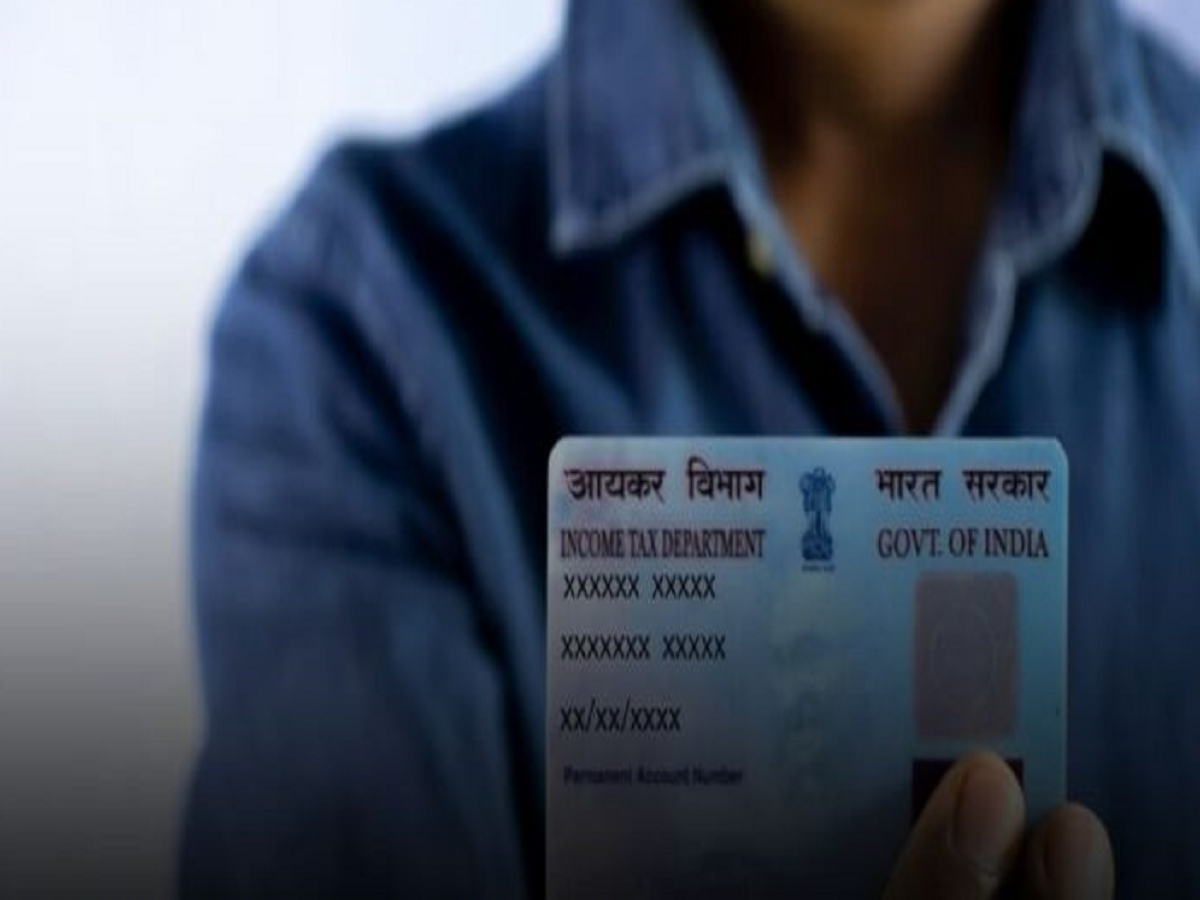
If you are planning to apply for a new PAN card or update your existing one, the hassle-free days of using just your Aadhaar card are officially over. Under major structural reforms introduced by the government, a revised identity verification framework has taken effect.
The new rules completely reshape how financial identities are verified, prioritizing automated data matching over manual guesswork. Here is exactly what has changed and how to ensure your documents stay valid.
1. The Death of "Aadhaar-Only" Applications
For years, the Instant e-PAN facility allowed millions of citizens to get a PAN card within minutes using only their 12-digit Aadhaar number. That simplified, one-document route has been discontinued.
While Aadhaar remains essential for identity and address proof, you are now mandatorily required to submit an independent, secondary proof for your Date of Birth (DoB).
Approved Supporting Documents
To apply for a new PAN or make updates, you must provide one of the following alongside your Aadhaar card:
-
Birth Certificate (issued by a competent municipal authority)
-
Class 10 (SSLC) Passing Certificate or Marksheet
-
Valid Indian Passport
-
Valid Driving License
-
Voter ID Card
2. Zero-Tolerance Data Matching (The Name Game)
The days of manual corrections or ignoring minor spelling differences during data processing are gone. The Income Tax Department's updated verification infrastructure relies entirely on automated validation.
The Golden Rule: The personal details on your PAN application must match your Aadhaar records exactly—down to a single character, spacing, and initials.
If there is even a single-letter mismatch between your Aadhaar details and your supplementary documents, the automated system will reject the application instantly. Furthermore, the name printed on your final PAN card will strictly reflect the name on your Aadhaar card. If your Aadhaar details are outdated, you must fix them before touching a PAN application.
3. Meet Form 93 and Form 95
The familiar old paperwork has officially been retired. If you submit your application using the old formats, it will be rejected out of hand. The government has introduced brand-new, streamlined application forms designed to align with the revised Income Tax framework:
| Old Form Name | New Redesignated Form | Who It Is For |
| Form 49A | Form 93 (or Form 94) | Indian Citizens, Companies, & Local Entities |
| Form 49AA | Form 95 (or Form 96) | Foreign Citizens & Entities |
4. Financial Breathing Room: Revised PAN Transaction Limits
It isn't all strict paperwork—the government has also provided some welcome relief for everyday taxpayers by raising the thresholds at which you are legally required to quote your PAN card.
The updated transaction limits allow for larger everyday movements of money before triggering compliance tracking:
-
Property Transactions: The mandatory PAN reporting limit has doubled from ₹10 Lakh to ₹20 Lakh.
-
Vehicle Purchases: You only need to quote your PAN if the vehicle value exceeds ₹5 Lakh.
-
Hotel & Travel Bills: The threshold has been bumped up from ₹50,000 to above ₹1 Lakh.
-
Annual Cash Deposits: PAN remains mandatory for single-day cash deposits exceeding ₹50,000, and annual deposits exceeding ₹10 Lakh.
Action Checklist: What Should You Do Now?
If you already possess a functional, active PAN card that is linked to your Aadhaar, you do not need to apply for a new card. The current updates apply strictly to fresh applications and correction requests. However, to protect yourself from future transactional hiccups, run through this quick checklist: