NATIONAL
Bank Holiday on Raksha Bandhan 2026: Will Banks Be Closed on August 28? Check State-Wise Holiday Details
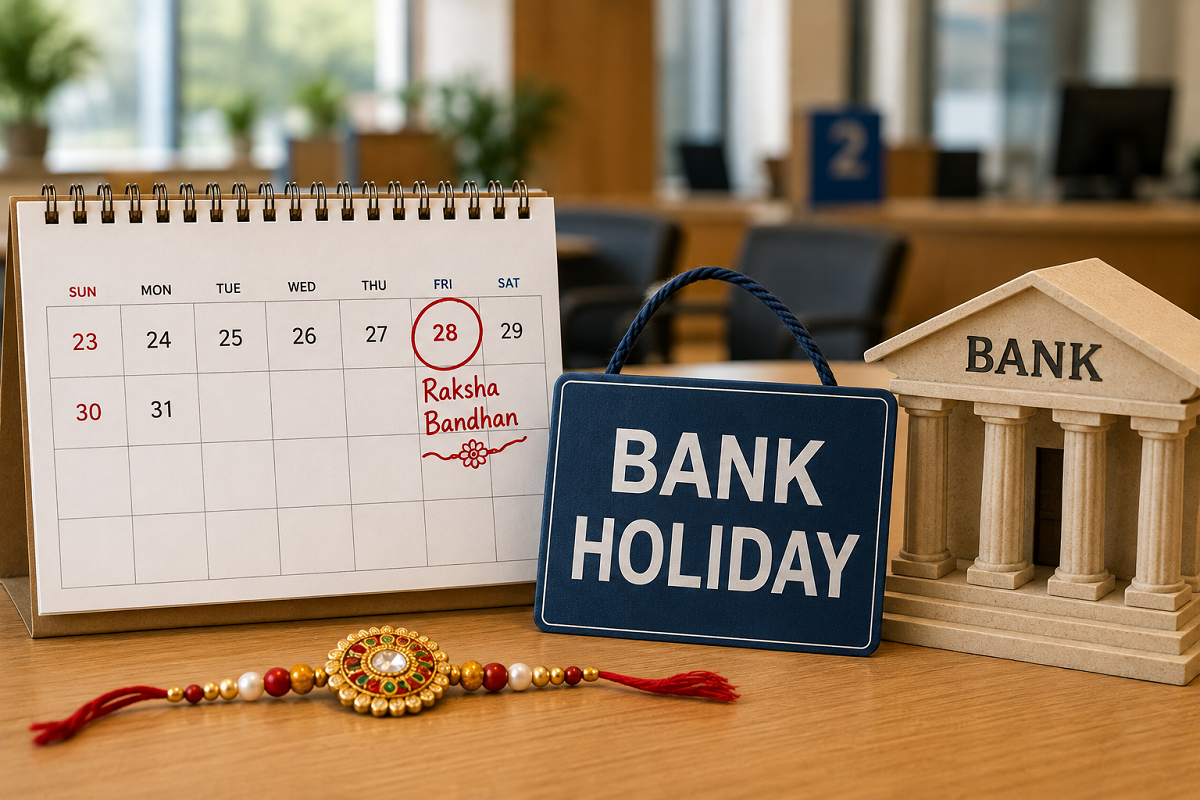
With Raksha Bandhan 2026 approaching, many customers are wondering whether banks will remain open or closed on August 28. If you have important banking work such as cash deposits, cheque clearance, loan documentation, or branch-related services, it is advisable to check the holiday schedule in advance to avoid any inconvenience.
Bank holidays in India are determined by the Reserve Bank of India (RBI) in consultation with state governments. Since festival holidays differ from one state to another, banks may remain closed in some regions while operating normally in others.
Will Banks Be Closed on August 28, 2026?
Raksha Bandhan will be celebrated on Friday, August 28, 2026. On this occasion, banks are expected to remain closed in several states where the festival is officially observed. However, the holiday will not be uniform across the country.
The RBI's holiday calendar follows a state-wise approach, meaning that bank branches in some states may observe a holiday while branches in others continue regular operations.
Customers should therefore verify the holiday status applicable to their city or state before planning a visit to a bank branch.
Why Do Bank Holidays Differ Across States?
Unlike national holidays such as Republic Day or Independence Day, festival-related bank holidays are not always observed nationwide.
State governments recommend holidays based on regional festivals, cultural practices, and local traditions. As a result, a festival like Raksha Bandhan may be a bank holiday in several northern and central Indian states, while branches in other regions may remain open.
For this reason, customers should always refer to the official RBI holiday calendar or check with their respective bank branch for confirmation.
Banking Services That Will Continue Even If Branches Are Closed
Even if physical bank branches remain closed on Raksha Bandhan, most digital banking services will continue to function without interruption.
Customers can continue using:
-
UPI for instant money transfers
-
Mobile banking applications
-
Internet banking services
-
ATM cash withdrawals
-
Debit and credit card transactions
-
Online bill payments
-
IMPS, NEFT, and other electronic fund transfer services (subject to the applicable processing rules)
These digital channels allow customers to complete most routine banking transactions without visiting a branch.
Plan Branch Visits in Advance
If you need to complete work that requires visiting a bank, it is advisable to finish it before the holiday.
You should consider visiting the branch in advance if you need to:
-
Deposit or withdraw large amounts of cash
-
Submit or collect cheque-related documents
-
Complete loan or account documentation
-
Access locker facilities
-
Carry out KYC or account verification
-
Request demand drafts or other branch-based banking services
Planning ahead can help avoid delays during the festive period.
How to Confirm Bank Holidays in Your City
Before heading to your nearest bank branch, customers should verify the holiday schedule through official sources.
You can confirm the status by:
-
Checking the RBI's official bank holiday calendar.
-
Visiting your bank's official website or mobile application.
-
Contacting your local bank branch directly.
-
Reviewing notifications issued by your respective state government or bank.
Digital Banking Remains the Best Alternative
India's banking ecosystem now offers most essential services online, allowing customers to manage their finances even when bank branches are closed.
Whether you need to transfer funds, pay utility bills, recharge services, or check account balances, digital banking platforms will remain available throughout the Raksha Bandhan holiday.
Customers who require branch-specific services, however, should complete those tasks before the holiday to avoid inconvenience.
As Raksha Bandhan approaches, checking your local bank holiday schedule in advance can help ensure that your financial transactions proceed smoothly without any last-minute disruptions.