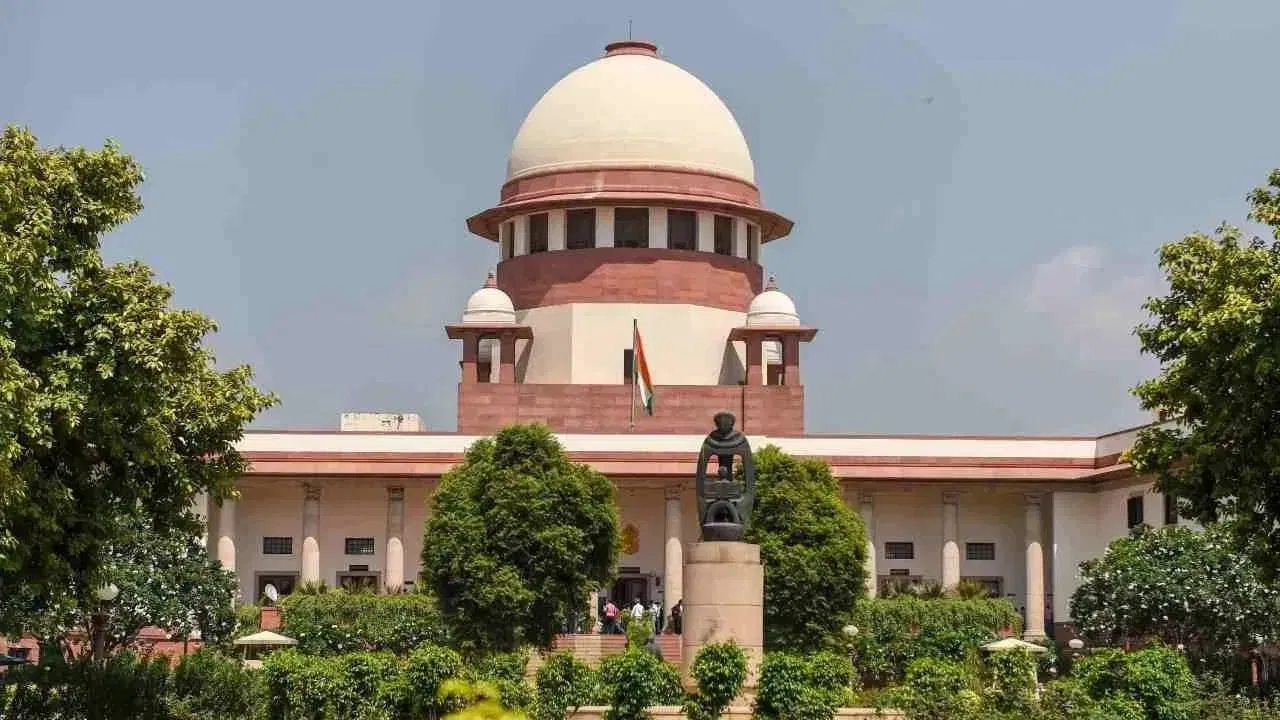
The Supreme Court has banned making reels, taking selfies, and recording videos inside its high security zone after receiving strong recommendations from the Supreme Court Bar Association (SCBA). Until now, anyone could take photos or do videography within the premises, but the practice had drawn serious objections from the Bar, citing concerns over dignity and security.
The SCBA emphasized that such activities undermine the sanctity of the court and could compromise its security. The association urged the court administration to frame strict rules, run awareness drives, and take disciplinary action against violators. Acting on these suggestions, the court has agreed to prohibit such practices.
SCBA’s Six Key Demands
The Bar Council submitted six major proposals to maintain discipline inside the apex court:
-
Clear Guidelines: A strict ban on filming, recording, selfies, reels, or any social media posts within the court premises, corridors, lobbies, and especially courtrooms without permission.
-
Signage & Notices: Prominent display of warnings across the premises, clearly stating that videography and social media content creation is prohibited in the high security zone.
-
Awareness Campaigns: Regular workshops and sessions under senior members’ guidance to educate young advocates about the risks of sharing content on social media.
-
Disciplinary Action: Strict measures against violators, including warning letters, suspension of SCBA membership, and informing respective State Bar Councils for further action.
-
Security Deployment: Police personnel to be stationed in sensitive areas to monitor compliance with the rules.
-
Maintaining Dignity: All steps to ensure the Supreme Court’s decorum, discipline, and security are upheld.
The SCBA’s executive committee strongly condemned the conduct of advocates who engage in such activities, noting that the apex court is not a place for social media content creation. With the Supreme Court now approving these measures, strict monitoring will be in place to ensure compliance.