LIFESTYLE
Are Painkillers Like Ibuprofen and Paracetamol Fueling Antibiotic Resistance? Experts Explain the Risk
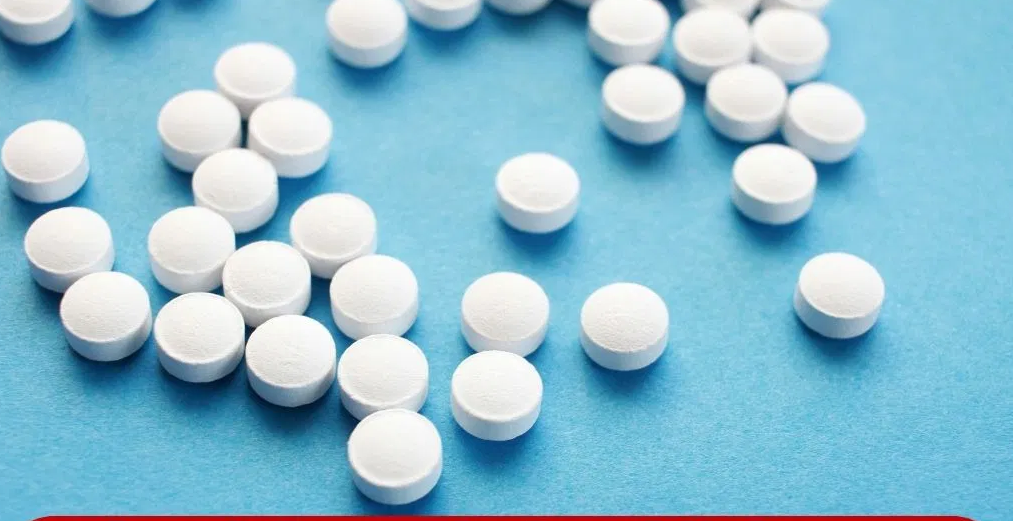
Whenever fever, cold, or body pain troubles us, the first instinct is to pop a painkiller like paracetamol or ibuprofen without thinking twice. These medicines are widely used to provide quick relief, but recent research suggests that such common drugs may be indirectly weakening our defense against bacterial infections by contributing to antibiotic resistance.
A study conducted at the University of South Australia has revealed that everyday painkillers, when taken alongside antibiotics, can accelerate the process by which bacteria adapt and become resistant to medicines. Normally, antibiotics work by killing harmful bacteria, but with repeated exposure, bacteria begin to mutate, rendering the drugs less effective—a condition known as antibiotic resistance. Such bacteria, often termed “superbugs,” can survive even the strongest treatments, making once-simple infections potentially life-threatening.
The research highlights that painkillers like ibuprofen and paracetamol trigger certain bacterial genes, particularly in microbes such as E. coli, that allow them to expel antibiotics from the body more efficiently. This reduces the effectiveness not just of one antibiotic but of multiple medicines, speeding up the resistance process.
The World Health Organization has already declared antimicrobial resistance (AMR) as one of the gravest global health threats. In 2019 alone, AMR was linked to an estimated 1.27 million deaths worldwide, and experts fear the number may rise significantly in the coming years. The problem is particularly acute in countries like India, where antibiotics and painkillers are often consumed without medical supervision. If this pattern continues, even minor infections could become dangerous in the future.
However, this does not mean that painkillers should be completely avoided. Doctors advise that they can still be used safely, but only in moderation and under medical guidance. Self-medicating for minor discomforts should be discouraged, especially for children, the elderly, or patients already on multiple medications.
In simple terms, medicines we consider harmless, like those for fever and pain, may actually be helping bacteria adapt. When combined with antibiotics, they make bacteria stronger, leaving us with fewer treatment options. This is why it is essential to not only consider why we are taking a medicine but also to understand its side effects and interactions before use.