BUSINESS
Another Major Decision on Petrol and Diesel: Export Duty on Petrol Hiked; Reduced for Diesel and ATF

Government Revises Windfall Tax on Fuel Exports, Petrol Export Duty Increased From May 16
The Government of India has announced another major change in the windfall tax structure on petroleum products. Under the latest decision, export duty on petrol has been increased, while taxes on diesel and aviation turbine fuel (ATF) exports have been reduced. The revised rates came into effect from May 16, according to a notification issued by the Ministry of Finance.
The move comes at a time when global crude oil prices remain elevated due to rising geopolitical tensions in West Asia, especially involving the United States, Israel, and Iran. Officials say the changes are aimed at balancing domestic fuel availability while also managing the impact of volatile international energy markets.
Petrol Export Tax Introduced for the First Time
Under the revised structure, the government has imposed a windfall tax of ₹3 per litre on petrol exports for the first time.
Meanwhile, export duties on other petroleum products have been reduced significantly:
- Diesel export duty reduced from ₹23 per litre to ₹16.5 per litre
- ATF export duty reduced from ₹33 per litre to ₹16 per litre
The decision marks another major adjustment in India’s fuel export taxation policy, which has seen several revisions over the past few months in response to changing global crude prices.
No Impact on Domestic Petrol and Diesel Prices
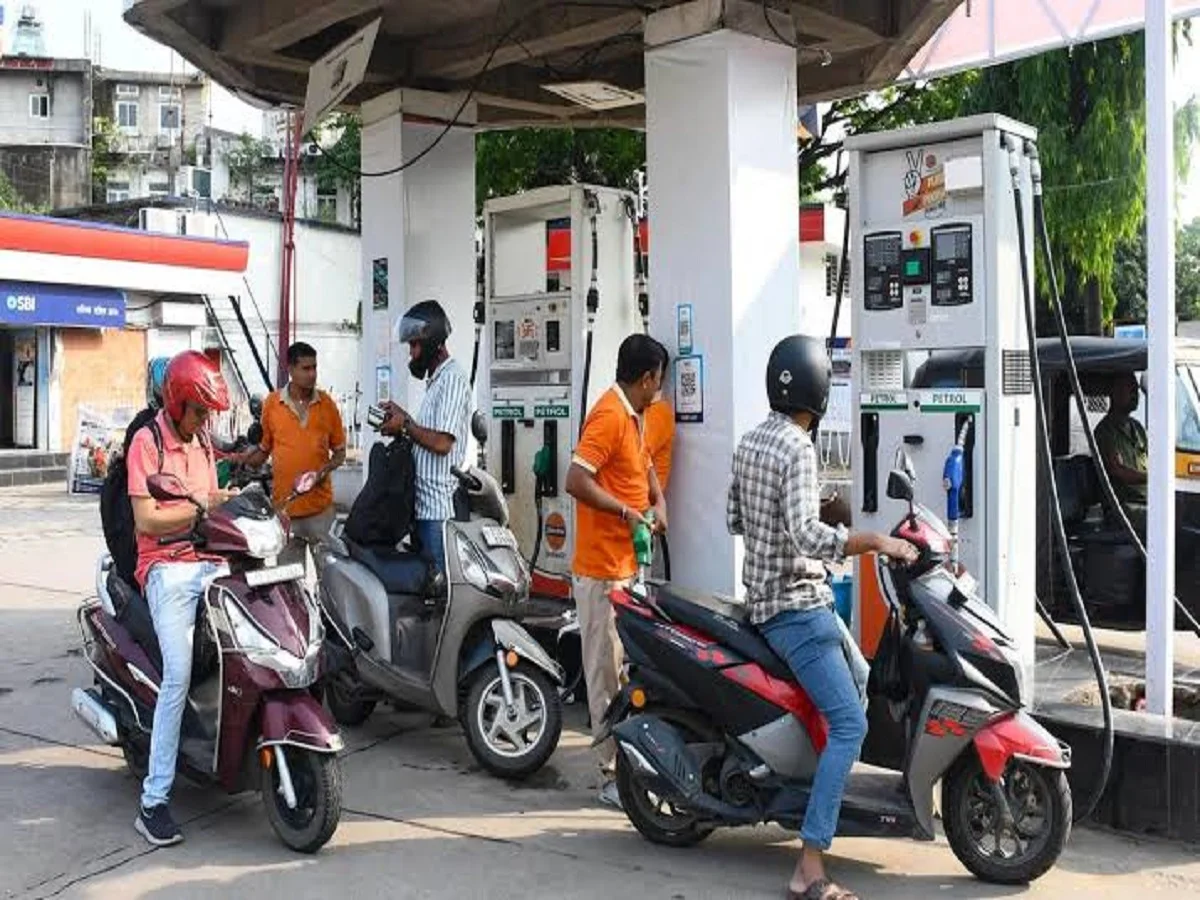
The government has clarified that the revised export duties will not affect petrol or diesel prices for domestic consumers.
Officials stated that no changes have been made to the duties applicable on fuel sold within India. The latest adjustments are limited only to exports of petroleum products.
This means consumers purchasing petrol and diesel at fuel stations across the country are unlikely to see any immediate impact on retail fuel prices because of the new announcement.
Road and Infrastructure Cess Removed on Fuel Exports
In another important move, the government has removed the Road and Infrastructure Cess on petrol and diesel exports by reducing it to nil.
Industry observers believe this step may partially offset the impact of the revised export duties and help exporters maintain competitiveness in international markets.
Why the Government Took This Decision
The latest tax revisions have been introduced amid continued instability in global energy markets.
Tensions in West Asia and uncertainty involving Iran, Israel, and the United States have pushed crude oil prices above $100 per barrel in recent weeks. Before the geopolitical escalation, crude prices were trading near $73 per barrel.
Higher international oil prices often increase profits for fuel exporters, especially refiners selling products in overseas markets. The government uses windfall taxes as a mechanism to regulate excessive gains arising from sudden global price spikes.
Main Objective: Protect Domestic Fuel Supply
According to officials, one of the primary goals behind the latest decision is to ensure sufficient fuel availability within India.
The government wants to discourage excessive exports by oil companies seeking to benefit from high international prices while domestic demand remains important.
By adjusting export taxes strategically, authorities aim to maintain balance between:
- Domestic fuel availability
- Refinery profitability
- Export competitiveness
- Inflation management
What Is Windfall Tax?
A windfall tax is an additional tax imposed on companies that earn unusually high profits because of sudden global events or price increases.
In the energy sector, governments often impose windfall taxes when crude oil or fuel prices rise sharply due to wars, geopolitical tensions, or supply disruptions.
The purpose of such taxes is generally to:
- Prevent excessive profiteering
- Stabilize domestic markets
- Generate additional government revenue
- Protect consumers from sharp price shocks
India has revised windfall taxes multiple times over the past few years depending on global market conditions.
Timeline of Recent Fuel Export Tax Changes
The government has made several changes to export duties in recent months:
- March 26: Diesel tax at ₹21.5/litre and ATF at ₹29.5/litre
- April 11: Increased to ₹55.5/litre for diesel and ₹42/litre for ATF
- April 30: Reduced to ₹23/litre for diesel and ₹33/litre for ATF
- May 16: Further reduced to ₹16.5/litre for diesel and ₹16/litre for ATF; petrol export tax introduced at ₹3/litre
These repeated revisions reflect the government’s effort to respond quickly to changing global oil market conditions.
Industry Watching Global Oil Prices Closely
Energy market experts say future tax revisions will likely depend on international crude price movements and geopolitical developments in West Asia.
If tensions escalate further or oil prices continue rising sharply, additional changes to export duties may be considered in the coming weeks.
For now, the government’s latest move is being viewed as a balancing strategy — increasing control over petrol exports while providing partial relief to diesel and aviation fuel exporters to support industry operations and maintain domestic fuel stability.