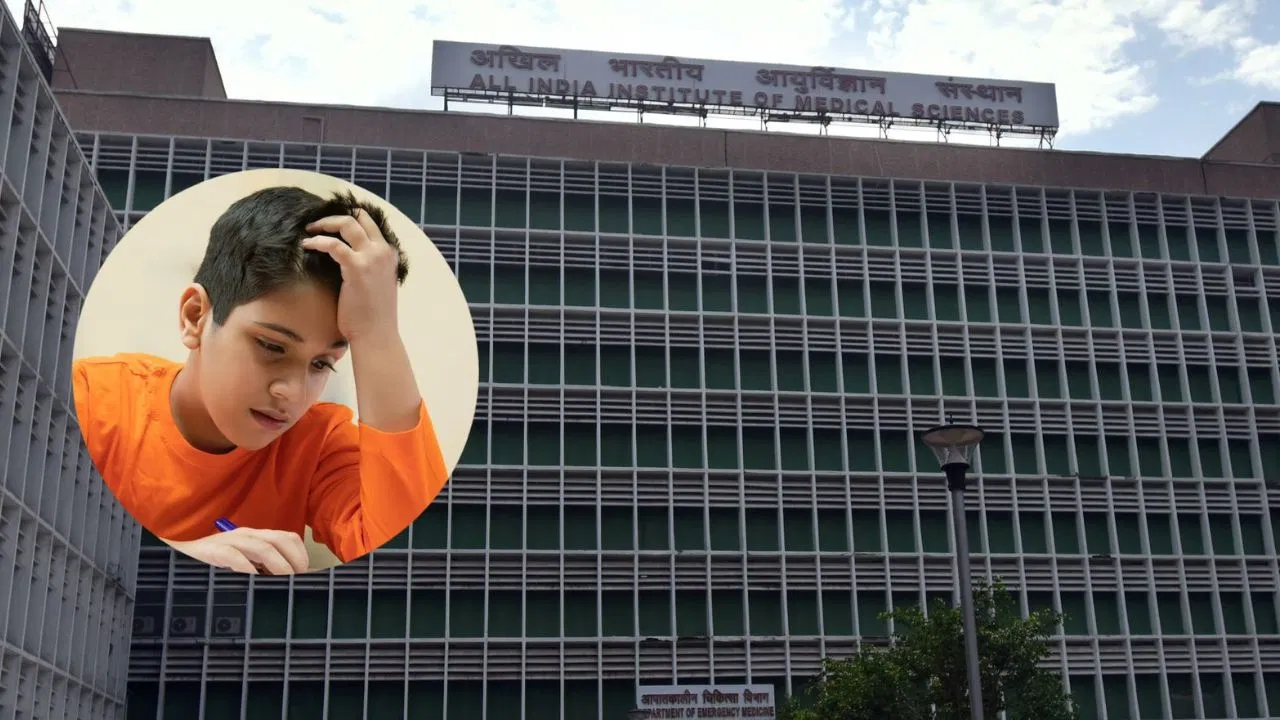
India has seen a worrying rise in suicide cases in recent years, especially among children. To counter this, AIIMS New Delhi has introduced a new initiative aimed at improving students’ mental health. In an exclusive conversation with TV9 Bharatvarsh, Professor Nand Kumar, Head of the Psychiatry Department at AIIMS Delhi, revealed that the institute has launched the MATE program in schools. Developed in collaboration with CBSE, this program is currently being rolled out across Delhi NCR and parts of the Northeast.
The primary goal of the initiative is to reduce mental stress among children and improve their emotional well-being.
What is the MATE program?
MATE stands for Mind Activation Through Education. Unlike traditional mental-health programs that focus on treating illness, MATE emphasizes overall wellness. The initiative aims to gradually help reduce childhood issues such as hypertension, obesity, behavioral challenges, and diabetes by strengthening emotional and social connections.
One of the key ideas promoted under MATE is the “Mate Five” concept — encouraging every child to have at least five close friends with whom they can openly share feelings. According to Professor Nand Kumar, children today are increasingly forming “reel friends” online, instead of real personal connections, and the program aims to change that.
He also highlighted that a child’s home environment shapes their brain. Marital conflicts between parents directly impact children’s emotional health. The program offers guidance to families on reducing conflict, boosting children’s confidence, and improving the overall well-being of both parents and children — influencing everything from blood pressure to fertility.
“Boring” is important for mental health
Dr. Nand Kumar emphasized that boredom is not something people should fear. The brain needs moments of stillness and inactivity to reset and think creatively. Constant engagement and overstimulation reduce mental clarity. Allowing oneself to be bored for a while is healthy and necessary for emotional balance.
Mental health and the economy
Dr. Nand Kumar also pointed out that a nation’s economic progress is linked to the mental health of its population. According to available data, India may face economic losses exceeding $1 trillion between 2012 and 2030 due to mental-health conditions. The number of psychiatrists in the country is still far too low for the population size, meaning millions of people cannot access timely treatment when they need it.