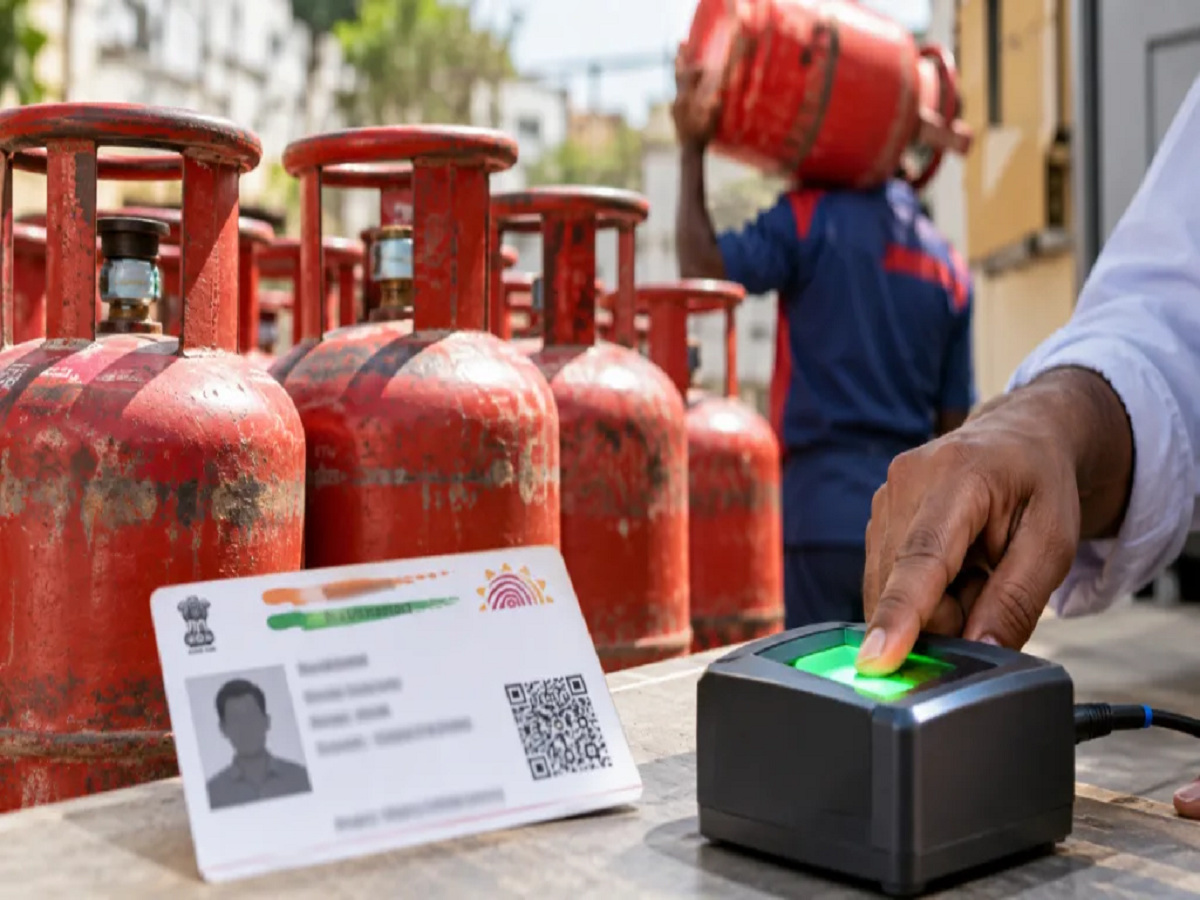
India’s transition to a digital-first governance model has made identity systems more central than ever. From banking to welfare delivery, digital verification tools such as Aadhaar, Permanent Account Number, and DigiLocker now form the backbone of everyday transactions.
As this ecosystem expands, citizens must stay updated on key rules to ensure compliance, avoid disruptions, and safeguard personal data.
Why Digital Identity Has Become Essential
India’s digital infrastructure has grown rapidly, integrating identity verification into almost every essential service. Whether opening a bank account, filing taxes, or accessing subsidies, authentication through Aadhaar or PAN is now standard practice.
These systems improve:
-
Transparency in financial transactions
-
Efficiency in service delivery
-
Accountability across sectors
With increasing digitisation, understanding how these tools work is no longer optional—it is a necessity.
Linking Aadhaar and PAN Is Mandatory
One of the most critical rules in 2026 is the compulsory linking of Aadhaar with PAN.
-
Failure to link can render your PAN inactive
-
An inactive PAN can disrupt:
-
Income tax return filing
-
High-value banking transactions
-
Investment activities
-
This linkage helps authorities track financial records more effectively and curb tax evasion. For individuals, it ensures uninterrupted access to financial services.
DigiLocker Is Changing Document Management
DigiLocker has emerged as a key platform for storing and accessing official documents securely.
Key benefits include:
-
Digital storage of documents like driving licences, Aadhaar, and certificates
-
Anytime, anywhere access
-
Reduced need for physical copies
-
Government-recognised validity
Today, many institutions accept DigiLocker-issued documents as legally valid, making it a powerful tool for paperless governance.
Other Important Digital Rules to Know
Beyond Aadhaar-PAN linking and DigiLocker usage, citizens should also be aware of:
1. OTP and Authentication Safety
Never share one-time passwords (OTPs) or authentication codes. These are critical for securing your digital identity.
2. Regular KYC Updates
Banks and financial institutions require periodic Know Your Customer (KYC) updates linked to Aadhaar and PAN.
3. Data Privacy Awareness
Be cautious about where and how you share your Aadhaar or PAN details. Use masked Aadhaar where possible.
4. Mobile Number Linking
Ensure your Aadhaar is linked to an active mobile number for seamless authentication and updates.
The Bottom Line
As India deepens its digital ecosystem, tools like Aadhaar, PAN, and DigiLocker are no longer just documents—they are gateways to essential services.
Staying informed about these rules will help citizens:
-
Avoid financial or legal disruptions
-
Protect personal data
-
Fully benefit from digital governance