BUSINESS
Aadhaar Face Authentication Gets a Major Technology Upgrade: What the New System Means for You
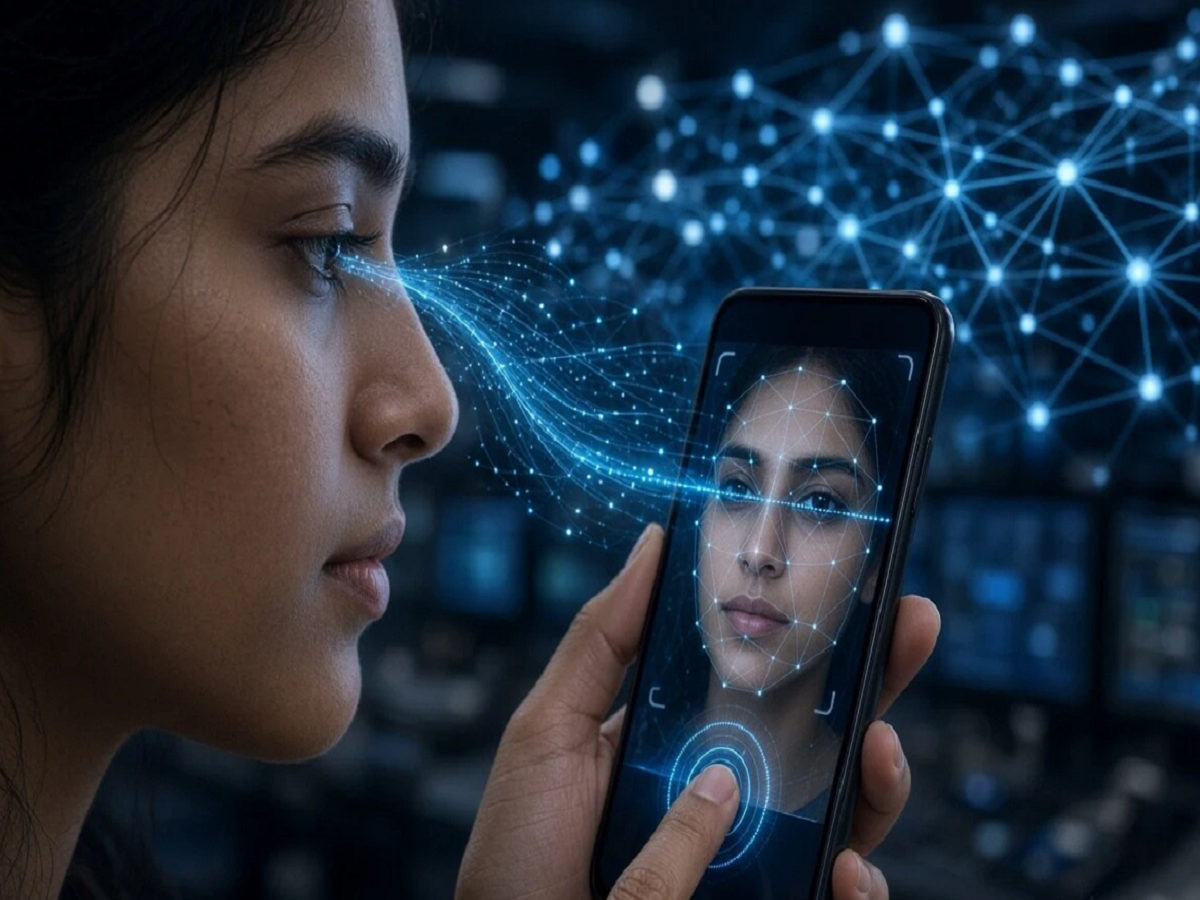
Aadhaar-based identity verification is moving further towards contactless technology. UIDAI has launched a new Aadhaar Face Authentication Software Development Kit (SDK) and Sandbox, opening the door for developers and organisations to build new applications that can verify a person’s identity using facial authentication.
The new technology was launched at the Global Fintech Fest 2026 and is part of UIDAI’s efforts to expand convenient and secure digital identity services.
What is Aadhaar Face Authentication?
Aadhaar Face Authentication is a technology that allows a person's identity to be verified using their face.
Instead of relying only on methods such as fingerprints or iris scans, face authentication provides a contactless option for Aadhaar-based verification.
This can be particularly useful in situations where biometric verification needs to be carried out remotely or where contactless authentication is more convenient.
What is the new Face Authentication SDK?
The Software Development Kit, or SDK, provides technology that developers can integrate into applications and digital platforms.
UIDAI's new SDK and Sandbox are intended to allow developers and organisations to test and build applications using Aadhaar Face Authentication capabilities.
This could eventually lead to more services where Aadhaar verification can take place through a smartphone-based facial authentication process.
Why is this important?
Aadhaar is increasingly being used for digital identity verification across different services. UIDAI has been expanding its digital ecosystem to reduce dependence on physical visits and make authentication more convenient.
The new face-authentication technology adds another option to this ecosystem.
Unlike fingerprint authentication, facial verification does not require a person to physically place their finger on a biometric device. This makes the process potentially useful for services where contactless verification is preferred.
Will people need to get a new Aadhaar card?
No.
The introduction of the new Face Authentication SDK does not mean that existing Aadhaar holders need to apply for a new Aadhaar number or replace their Aadhaar card.
It is a technology and authentication upgrade rather than a replacement of the Aadhaar identity itself.
Aadhaar App is also becoming more useful
UIDAI has simultaneously been expanding smartphone-based Aadhaar services.
The Aadhaar App crossed 5 crore downloads in August 2026. According to the government, more than 60 lakh mobile-number updates, over 15 lakh address updates and more than 23 lakh email updates had already been completed through the app.
The app also provides services such as biometric lock and unlock, e-Aadhaar download and Aadhaar-related verification features.
What does this mean for ordinary Aadhaar users?
For Aadhaar holders, the larger change is the gradual movement of Aadhaar services towards smartphones and digital verification.
In the future, more services could potentially use contactless facial authentication instead of requiring users to visit a centre or use a physical biometric device. However, the availability of any particular service will depend on the organisations and applications that adopt the technology.
UIDAI has also emphasised consent-based and privacy-focused offline verification. Its Aadhaar ecosystem now includes more than 200 entities onboarded as Offline Verification Seeking Entities, allowing identity information to be verified through mechanisms such as QR codes and digitally signed documents without real-time access to UIDAI's central database.
The bigger Aadhaar change to watch
The latest developments show that Aadhaar is increasingly becoming more than a physical identity document. Mobile-based updates, digital verification, biometric controls and now face-authentication technology are gradually expanding how Aadhaar can be used.
For users, this could mean fewer physical visits and more Aadhaar-related services being completed digitally from a smartphone.
However, people should continue using only official UIDAI channels for Aadhaar services and avoid sharing Aadhaar credentials with unknown websites or applications.