BUSINESS
90 Million Traffic Challans Issued, But Only 17.8% Paid! Government Faces ₹14,000 Crore Revenue Crisis
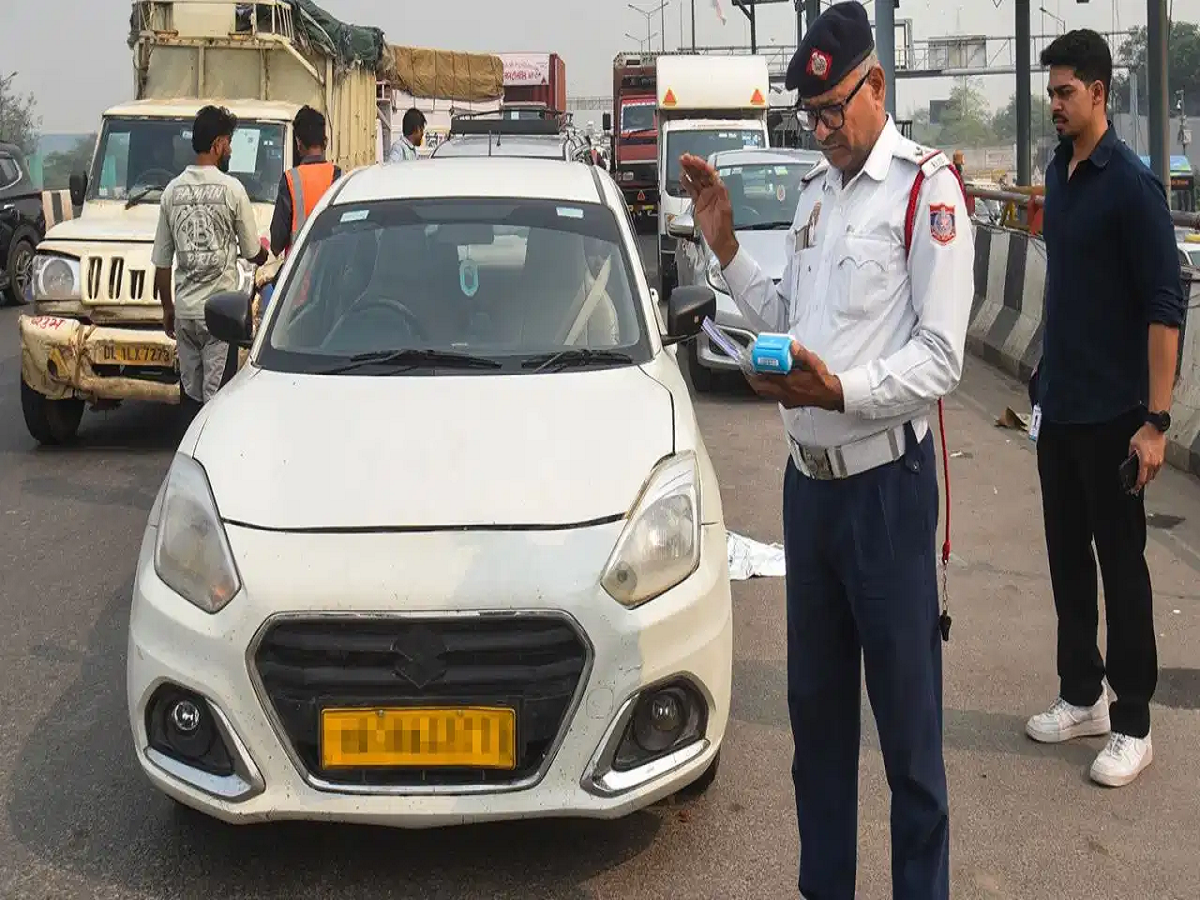
India is witnessing a major gap between traffic violations being detected and the fines actually being collected. Despite millions of e-challans being issued through automated cameras and traffic enforcement systems, a large number of vehicle owners are failing to clear their pending dues.
According to data from the Ministry of Road Transport and Highways, only 17.8% of traffic challans issued during the first 10 months of 2026 were settled. This represents a significant decline compared with the 53.3% settlement rate recorded during the corresponding period in 2022.
The declining collection rate is not only affecting government revenue but also raising concerns about traffic law enforcement, road safety and accountability.
1. More Than 90 Million Challans Issued in Just 10 Months
The latest figures highlight the enormous scale of pending traffic fines in India.
Between January and October 2026, authorities issued approximately 90.4 million traffic challans across the country. However, only 16.1 million were settled, leaving around 74.2 million challans pending.
The financial figures are equally concerning.
-
Total fines imposed: ₹16,903.93 crore.
-
Fines collected: ₹2,824.38 crore.
-
Outstanding fines: ₹14,079.55 crore.
This means that the government has collected only a small portion of the total penalties imposed during the period.
2. Traffic Challan Settlement Rate Has Fallen Sharply
The decline becomes more noticeable when compared with previous years.
During the first 10 months of 2022, more than 53.3% of issued challans were settled. By 2026, the settlement rate had fallen to just 17.8%.
Similarly, the revenue collection rate has reportedly dropped from 51.5% in 2022 to 16.7% in 2026.
Industry experts believe that weak enforcement, administrative inefficiencies and possible political pressure in some cases have contributed to the situation.
Another major concern is that automated cameras and digital systems are generating challans faster than traffic police departments, transport authorities and courts can process them.
3. More Than ₹50,000 Crore in Traffic Fines Remain Unpaid
The problem becomes even bigger when historical data is considered.
Since 2015, enforcement agencies have reportedly issued approximately 495.7 million e-challans, involving penalties worth ₹76,686.2 crore.
However, around 305.4 million challans remain unpaid, accounting for approximately ₹50,226.1 crore in outstanding fines.
This indicates that the problem is not limited to recent traffic violations. A substantial number of older challans also remain unresolved.
One major reason is the absence of sufficiently effective consequences for repeatedly ignoring traffic penalties. When vehicle owners believe that unpaid fines will not lead to immediate action, they may have little incentive to clear them.
4. Supreme Court Issues Strict Directions Against Unpaid Challans
The Supreme Court has also taken note of the growing number of unpaid traffic challans.
On September 28, 2026, the court directed states and Union Territories to strengthen enforcement against vehicle owners who fail to pay their outstanding penalties.
The directions include restrictions on certain vehicle-related services for vehicles with unpaid challans.
These measures include:
-
Suspending online services related to vehicle registration renewals.
-
Restricting the issuance of duplicate Registration Certificates (RCs).
-
Withholding fitness certificates.
-
Blacklisting vehicles on the Parivahan portal.
-
Restricting ownership transfers until outstanding dues are cleared.
-
Preventing the issuance of Pollution Under Control (PUC) certificates in applicable cases.
The court also called for action against repeat offenders, including steps relating to the suspension of driving licence renewals and existing licences in cases involving multiple violations.
These directions are intended to make traffic penalties more effective and discourage motorists from repeatedly ignoring challans.
5. Why Are So Many Traffic Challans Remaining Unpaid?
Several factors appear to be contributing to the growing backlog.
Increasing use of automated cameras: Digital enforcement systems can generate thousands of challans, but processing and collecting payments at the same pace remains a challenge.
Limited administrative capacity: Traffic police departments, transport authorities and courts are struggling to manage the growing number of cases.
Long court backlogs: Many challans are referred to courts, but a significant proportion of these cases remain unresolved.
Weak enforcement: If motorists do not face meaningful consequences for ignoring penalties, the effectiveness of the challan system can decline.
According to the reported figures, approximately 14.3 million cases were referred to courts during the first 10 months of 2026. Only around 800,000 were resolved, leaving approximately 13.4 million cases pending.
What Does This Mean for Vehicle Owners?
The declining settlement rate could lead to stricter enforcement of traffic penalties in the coming months.
Vehicle owners should regularly check their pending challans through the official government portal and clear legitimate outstanding dues.
Here is how you can check your traffic challan:
-
Visit the official Parivahan e-Challan website: https://echallan.parivahan.gov.in/
-
Select the option to check challan status.
-
Enter your vehicle registration number, challan number or driving licence number.
-
Complete the verification process.
-
Review the pending challans and available payment options.
Always verify the details before making a payment. If you believe a challan has been issued incorrectly, use the official grievance or dispute process.
Final Thoughts
The growing number of unpaid traffic challans highlights a major challenge for India's road enforcement system. Issuing penalties through digital cameras is only one part of the process; ensuring that motorists actually pay them is equally important.
With more than ₹50,000 crore reportedly remaining outstanding since 2015, stronger enforcement and faster case resolution are becoming increasingly necessary.
The Supreme Court's directions could mark an important step towards improving compliance. Ultimately, the objective should not simply be to increase government revenue but to encourage responsible driving, reduce traffic violations and make Indian roads safer.