INTERNATIONAL
72-Hour Double Blitz: US Launches Second Strike on Iran, Neutralizes Drone Fleet in Strait of Hormuz
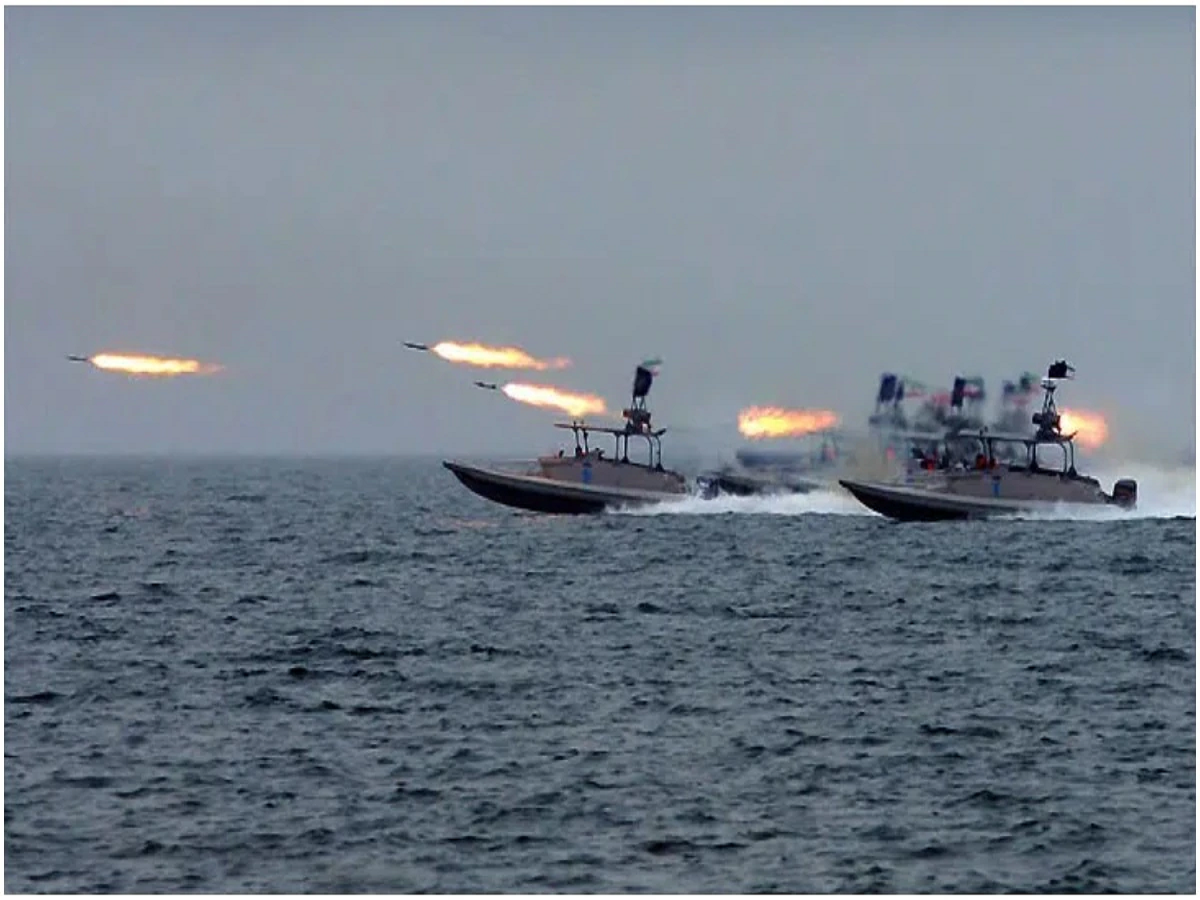
The Middle East conflict has reached a boiling point as the United States military executed its second targeted airstrip against Iranian infrastructure within a 72-hour window.
The midnight bombardment struck critical military installations in the strategic coastal city of Bandar Abbas. According to official statements from Washington, the pre-emptive operation successfully intercepted and shot down four armed Iranian drones and completely decimated a launch site that was preparing to deploy a fifth.
This dramatic escalation unfolds at a highly delicate moment, directly interrupting ongoing diplomatic negotiations aimed at halting a devastating three-month-long war that has already sent shockwaves through global energy markets.
1. The Midnight Strike: Target Bandar Abbas
American defense officials confirmed to Reuters that the overnight precision strikes specifically targeted an active military base believed to pose an immediate, asymmetric threat to international commercial maritime traffic and US naval assets stationed in the volatile Strait of Hormuz.
-
The Iranian Confirmation: Tehran has officially acknowledged the bombardment. The state-aligned Fars News Agency confirmed that at least three massive explosions rocked the military sectors of Bandar Abbas at midnight, lighting up the coastline.
-
The Damage Toll: US military intelligence reports that alongside the destruction of the mobile drone launcher site, four active combat unmanned aerial vehicles (UAVs) were successfully shot down before they could exit Iranian airspace.
2. The US Position: A Standard of "Defensive Action"
The Pentagon has firmly doubled down on its legal stance, framing the midnight operation as a strictly defensive counter-measure rather than an act of unprovoked aggression.
The Official Briefing: Two US defense officials stated that the military action was authorized late Wednesday, May 27, after regional monitoring systems tracked "imminent, aggressive, and anomalous deployment behavior" by the Iranian Revolutionary Guard Corps' drone divisions. The strike was greenlit the moment the five-drone fleet was confirmed to be targeting shipping lanes in the Strait of Hormuz.
3. The Timeline: A Three-Month War of Attrition
This latest cross-border exchange is part of a much larger, highly destructive geopolitical conflict that has paralyzed global shipping lanes and driven energy prices to historic highs.
[Feb 28] ──► War ignites following coordinated US and Israeli strikes. Thousands of casualties reported.
   │
[Late May] ──► Diplomatic peace talks initiate to establish an emergency ceasefire.
   │
[May 25] ──► The US executes its first major bombing run of the week on Iranian military assets.
   │
[May 27] ──► Midnight: The US launches its second strike in 72 hours, destroying 4 drones in Bandar Abbas.
At a Glance: The Strategic Balance Sheet
| Metric | Details of the May 27th Conflict |
| Primary Target Zone | Drone Launcher Infrastructure, Bandar Abbas, Iran |
| Choke Point Protected | The Strait of Hormuz (Global Commercial Shipping Lane) |
| Hardware Neutralized | 4 Drones shot down; 1 Launch pad completely destroyed |
| Economic Ripple Effect | Immediate upward volatility in global crude oil and energy pricing |
Emergency Protocol: Tracking Global Energy Shifts for Businesses
For logistics managers, corporate entities, or everyday consumers looking to insulate themselves against the inevitable fuel price hikes caused by the instability in the Strait of Hormuz, here is a quick mitigation checklist: