SKĐS - High LDL cholesterol increases the risk of heart disease. Studies show that regular, light exercise at home can help lower cholesterol naturally, aid in cleaning blood vessels, and protect the heart.
1. Why is winter a "challenge" for heart health and blood lipid levels?
Material:
- 1. Why is winter a "challenge" for heart health and blood lipid levels?
- 2. How does exercise help lower LDL cholesterol?
- 3.1. Mountaineer
- 3.2. Jumping Jacks
- 3.3. Step-up
- 3.4. Body weight squats
- 3.5. High Knees
- 3. 6. Walk briskly in one place or indoors.
- 4. How to Control High LDL Cholesterol Naturally and Permanently.
- 5. Who needs to be careful while exercising at home?
Winter weather not only impacts the respiratory system but also has a direct impact on cardiovascular health. Low temperatures constrict blood vessels, increasing blood pressure, and significantly reducing physical activity for many people. Furthermore, in areas with high Air Quality Index (AQI), continued exposure to polluted air can increase inflammatory responses and lead to lipid-related disorders.
Numerous studies have shown that a sedentary lifestyle during winter is one of the factors that increase LDL cholesterol – this is the “bad” cholesterol that can accumulate in the walls of arteries, causing narrowing of blood vessels and increasing the risk of atherosclerosis, heart attack and stroke.
However, you don't need a gym or complicated exercises. Simple home exercises, done regularly and correctly, can help lower LDL cholesterol naturally and keep your heart healthy during the winter.
2. How does exercise help lower LDL cholesterol?
Regular physical activity benefits the body:
- Increased use of LDL cholesterol as energy.
- It stimulates the liver to remove LDL from the blood.
- Increase HDL cholesterol ("good" cholesterol).
- Improves blood circulation and elasticity of blood vessels…
In particular, moderate to high-intensity cardio and HIIT exercises have been shown to be highly effective in improving blood lipid levels, even when performed for short periods of time at home.
3. Some home exercises that effectively lower bad LDL cholesterol.
3.1. Mountaineer



Mountain climbing is a total-body exercise that simultaneously activates the shoulders, chest, triceps, abdominal muscles, and lower body. When done correctly, multiple muscle groups work together to counteract the effects of gravity, rapidly increasing the heart rate.
When incorporating this exercise into a high-end fitness program, you can perform 6-8 sets of 20 seconds each, resting 10 seconds between sets. This method helps improve cardiovascular endurance and effectively lowers LDL cholesterol.
Mountaineering – An effective home exercise to lower bad LDL cholesterol.
3.2. Jumping Jacks
Jumping with arms and legs extended is a classic yet highly effective cardio exercise. This activity increases the heart rate, simultaneously activating the arms, legs, and torso, thereby increasing energy expenditure. It's an ideal warm-up before a high-intensity workout and is also suitable for practicing alone in a limited space at home, improving cardiovascular health.
3.3. Step-up
The step-up exercise primarily targets the quadriceps, glutes, and hamstring muscles, while also safely raising the heart rate. A key advantage of this exercise is that it puts less stress on the spine than high-intensity jumping, yet provides similar cardiovascular benefits. All you need to perform it is a sturdy chair or step.
3.4. Body weight squats
Squats without weights are a basic exercise that strengthens the entire lower body, including the quadriceps, hamstrings, glutes, and calves. In winter, when outdoor exercise is limited, squats without weights are an ideal option because they require no equipment, can be done anywhere, and the intensity can be easily adjusted according to fitness level. Regular squats not only help burn fat but also contribute to improving lipid metabolism in the body.
3.5. High Knees
Knee raises are a high-intensity exercise that quickly increases the heart rate, activates the lower body and core, and can make you feel warm and sweat, even in cold weather. Experts recommend that beginners practice for 30 seconds, rest for 30 seconds, and then gradually increase the time according to their ability. This exercise is especially suitable for warming up on winter mornings.
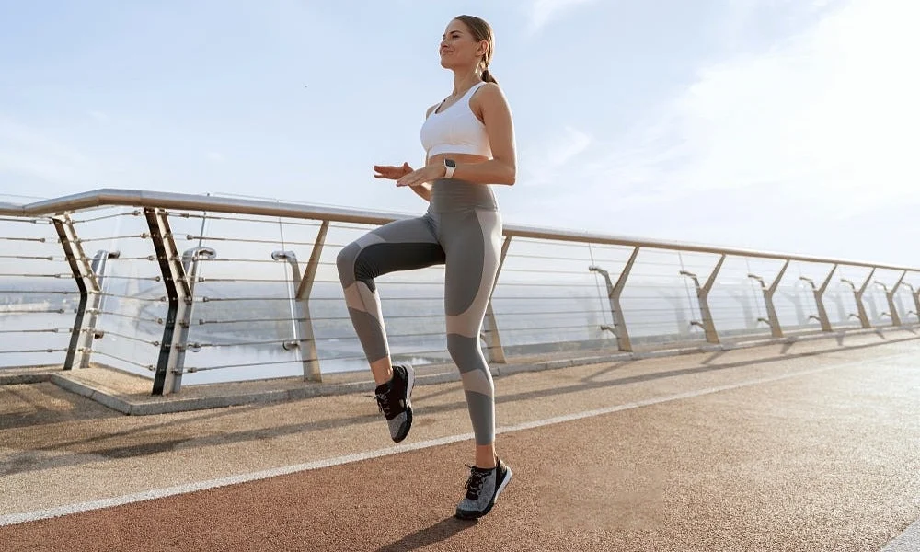
Knee raises are a high-intensity exercise that quickly increases the heart rate, strongly activating the lower body and core muscles.
3. 6. Walk briskly in one place or indoors.
Brisk walking is one of the safest and easiest forms of exercise, especially suitable for the elderly or beginners. Compared to many other exercises, brisk walking carries a lower risk of injury, yet it is clearly beneficial for heart health and helps reduce a sedentary lifestyle – a major cause of elevated LDL cholesterol.
4. How to Control High LDL Cholesterol Naturally and Permanently.
In addition to exercise, to effectively control blood fat levels, you need to combine the following factors:
- Healthy eating habits: Give preference to green vegetables, seasonal fruits and fiber rich foods.
- Limit your intake of saturated fat and trans fat.
- Stress management: Long-term stress can disrupt fat metabolism.
- Keep exercising regularly even in winter…
The combination of proper exercise, a healthy diet, and a healthy lifestyle is the foundation for naturally lowering LDL cholesterol, protecting arteries, and maintaining long-term heart health.
5. Who needs to be careful while exercising at home?
Exercising at home can improve heart health and help lower LDL cholesterol naturally, but not everyone can exercise at the same intensity. The following groups should exercise with particular caution:
5.1 Persons with heart disease, high blood pressure or arrhythmia: should consult a doctor before exercising and should avoid high-intensity exercises such as mountain climbing or knee-stand without a fitness assessment.
5.2 Persons with a history of stroke, myocardial infarction or coronary artery disease: They should only engage in light exercise such as brisk walking or climbing a few stairs, at an appropriate duration and pace.
5.3 People with bone and joint diseases, knee osteoarthritis or spinal pain should avoid frequent jumping, excessive squatting or incorrect posture to reduce the risk of injury.
5.4 Overweight, obese or sedentary individuals: Start with low intensity and short duration, then gradually increase to allow the body to adapt.
5.5 Persons suffering from acute illnesses, severe colds or general weakness: They should not engage in high-intensity exercise until their health has fully recovered.
To get long-term benefits from exercise for heart health and blood lipid levels, it's essential to listen to your body, use proper technique, and maintain consistency, rather than overexerting yourself in a short period of time.
PC :Vietnam.VN